


What's Happening?
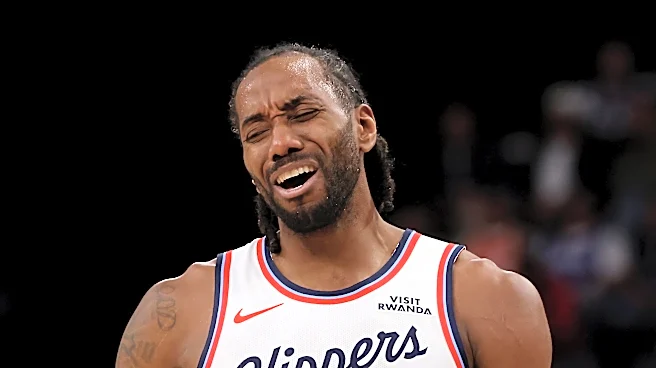
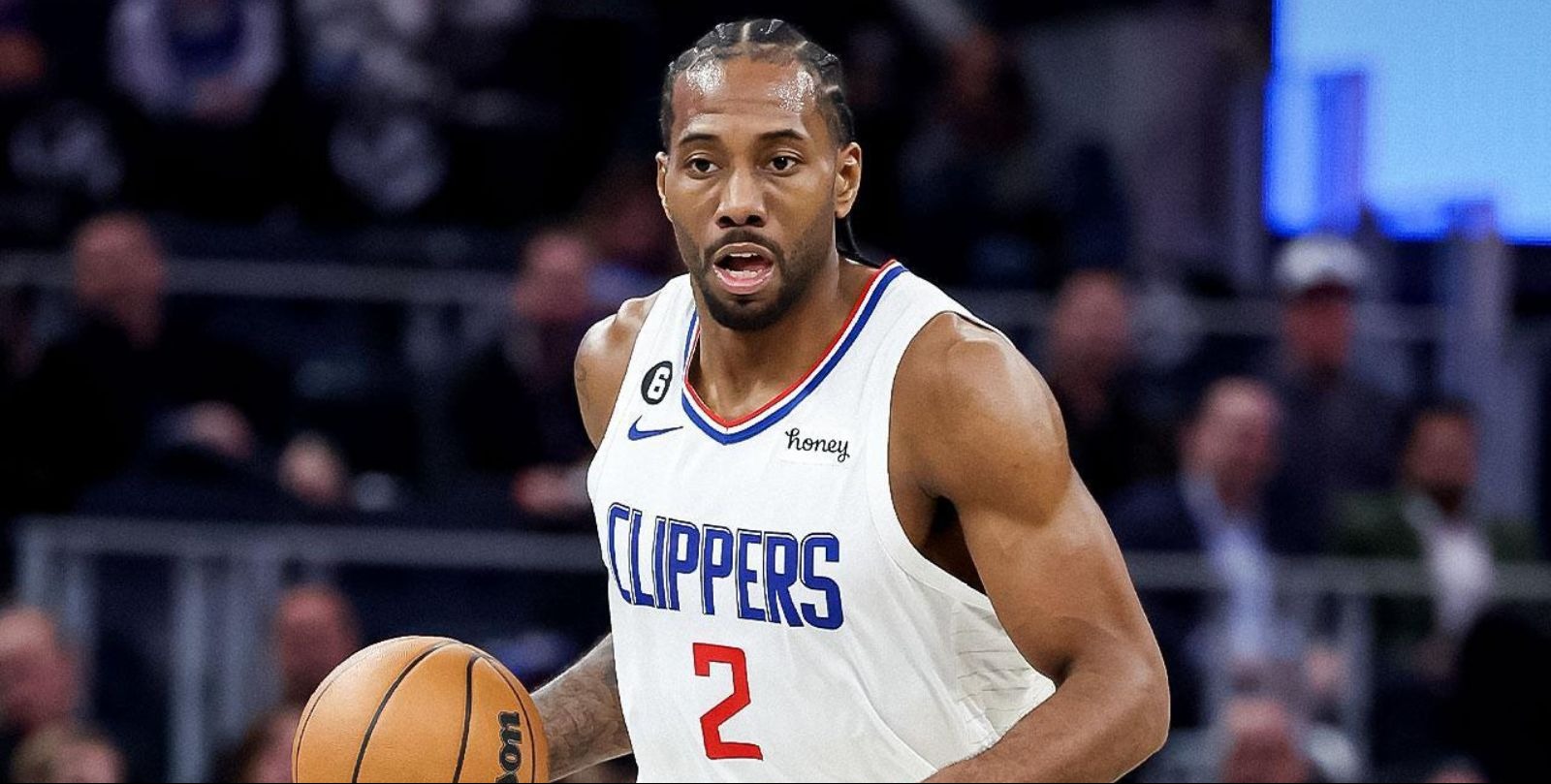
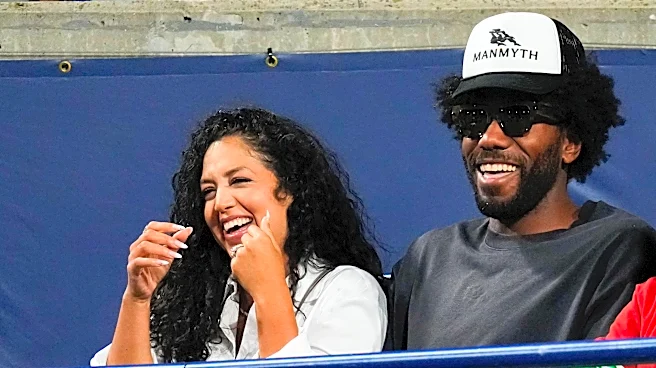
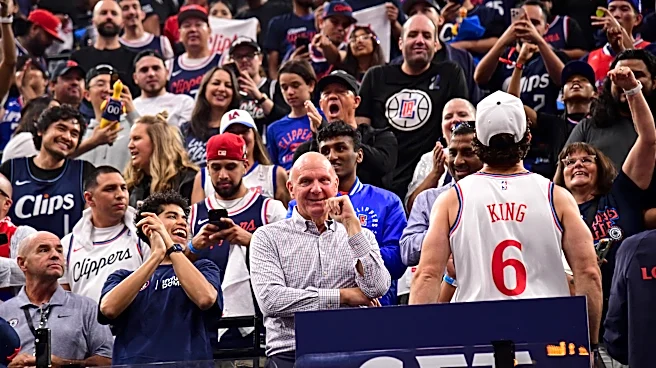
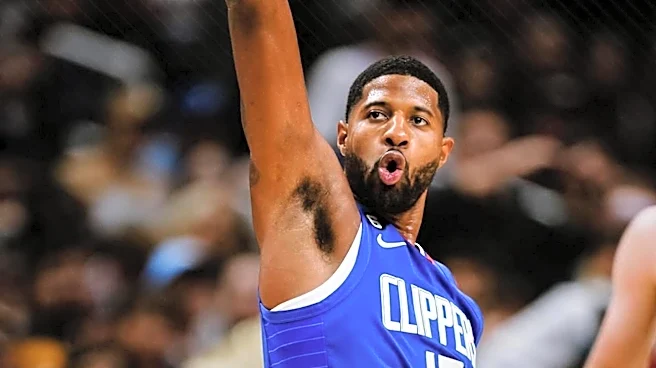
Sports Illustrated's Chris Mannix has publicly criticized ESPN for its reporting on the Los Angeles Clippers' alleged circumvention of the NBA's salary cap. Mannix stated that ESPN 'swallowed a big bunch of bullsh*t' that clearly originated from the Clippers' side,
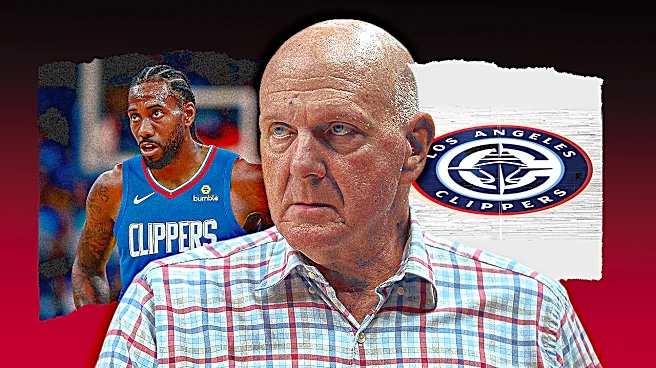
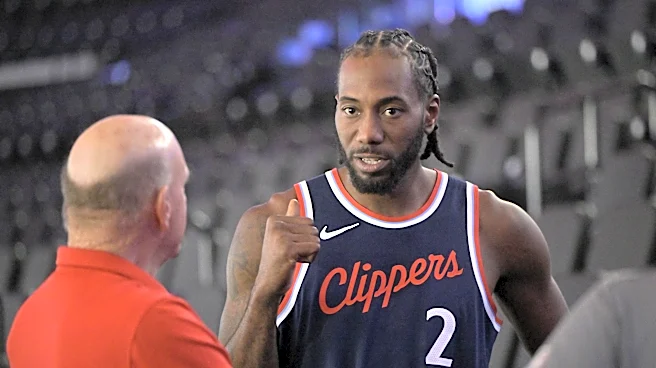
failing to present a balanced picture. This criticism follows an August report by ESPN, authored by Don Van Natta Jr., Baxter Holmes, and Ramona Shelburne, which claimed the NBA found no evidence of the Clippers funneling money to Kawhi Leonard through third-party endorsement deals. However, it was later revealed that the NBA did find sufficient evidence, leading to significant penalties for the Clippers, including forfeiture of five first-round draft picks, a $30 million fine for owner Steve Ballmer, and suspensions for Ballmer, President of Basketball Operations Lawrence Frank, and President of Business Operations Gillian Zucker. Leonard was also required to pay $700,000 in restitution. Mannix emphasized that journalistic integrity requires obtaining a semblance of the picture from all sides, which he believes ESPN failed to do in this instance.
Why It's Important?
This situation highlights critical issues in sports journalism and media ethics, particularly concerning the balance of reporting and potential influence from team organizations. ESPN's initial report, which seemingly exonerated the Clippers, created a narrative that was later contradicted by the NBA's official findings and subsequent penalties. This discrepancy raises questions about the thoroughness of ESPN's investigation and its susceptibility to information provided by one party. For sports fans and the public, it underscores the importance of critical media consumption and the need for diverse sources of information. For media organizations, it serves as a reminder of the ethical imperative to pursue comprehensive reporting, even when faced with non-cooperation from powerful entities like the NBA or individual teams. The incident could impact ESPN's credibility among some viewers and reinforce the perception that certain outlets may prioritize access over objective reporting, potentially influencing how future investigative sports journalism is conducted and perceived.
What's Next?
The fallout from this reporting discrepancy could lead to increased scrutiny of sports media outlets and their investigative practices. ESPN may face internal reviews or external pressure to address the perceived one-sidedness of its initial report. Other sports journalists and media critics are likely to continue discussing the implications of this event for journalistic standards in the industry. For the NBA and its teams, this incident reinforces the league's commitment to upholding salary cap rules and the consequences for violations, potentially leading to more stringent enforcement or increased transparency in future investigations. The Clippers will now operate under significant penalties, which could impact their team building and financial strategies in the coming seasons. The broader conversation about the relationship between sports leagues, teams, and the media is expected to continue, with calls for greater independence and impartiality in reporting.
Beyond the Headlines
Beyond the immediate consequences for the Clippers and ESPN, this event touches upon the broader challenge of maintaining journalistic independence in an era where access to information is often controlled by powerful entities. The 'insiderdom' culture in sports reporting, where journalists rely heavily on sources within organizations, can sometimes compromise objectivity. This case exemplifies the tension between maintaining good relationships with sources and fulfilling the journalistic duty to report impartially, even if it means challenging official narratives. It also raises questions about the public's trust in sports media and the potential for misinformation to spread when reports lack comprehensive perspectives. The incident could contribute to a larger discussion about the evolving landscape of sports media, the pressures faced by journalists, and the mechanisms needed to ensure accountability and accuracy in reporting, especially when dealing with high-stakes investigations involving prominent teams and athletes.