








What's Happening?
RED Group, a provider of operational technology and industrial control systems engineering services, and Industrial Design Solutions (IDS), a control systems integrator, have combined to establish a new platform focused on industrial automation and control systems integration.
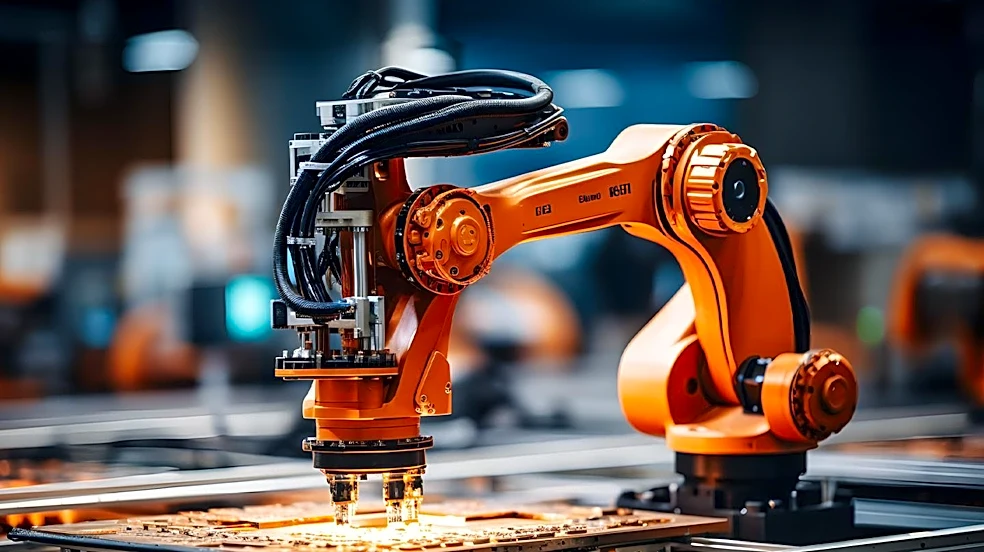
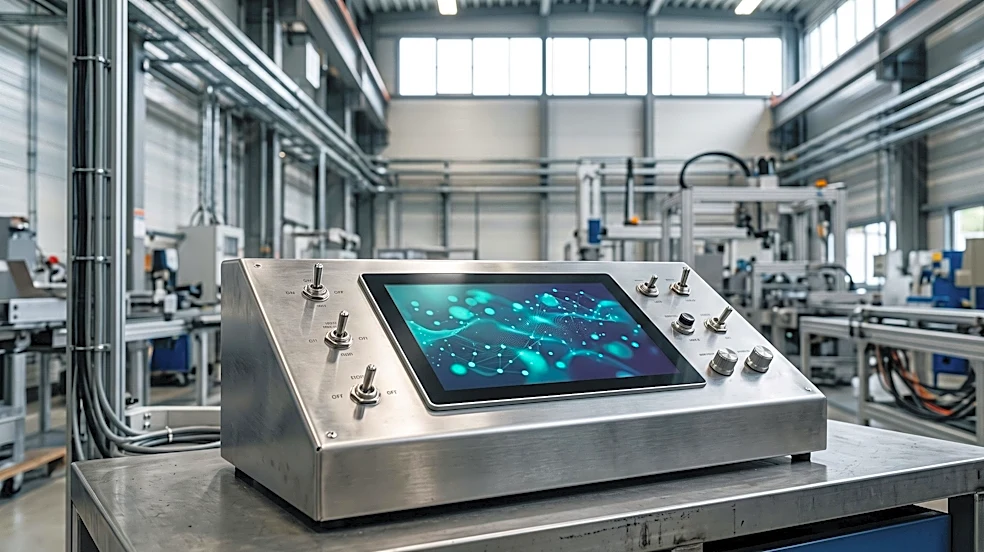
This merger was facilitated by growth investments from Falfurrias Management Partners. Carl Fangue, previously CEO of RED Group, will lead the newly formed entity as CEO. The combined companies will cater to a diverse client base across various sectors, including data centers, utility and power generation, water and wastewater, energy, maritime, chemicals, and manufacturing industries. The new platform aims to address the increasing demand for industrial automation driven by factors such as data center construction, manufacturing reshoring, the adoption of industrial AI, and a growing shortage of skilled technical labor. IDS's expertise in distributed control system (DCS) and programmable logic controller (PLC) programming and control system upgrades, coupled with RED Group's broad capabilities in operational technology (OT) and industrial control systems (ICS) infrastructure, is expected to provide customers with a robust service channel for modernizing aging infrastructure and bringing new capacity online.
Why It's Important?
This merger signifies a strategic response to critical trends impacting U.S. industries. The accelerating demand for industrial automation, particularly in data center expansion and manufacturing reshoring, highlights a national push towards enhanced operational efficiency and technological advancement. The combined entity offers a comprehensive solution for industries grappling with complex modernization efforts and the need to rapidly deploy new capacity. This is crucial for maintaining competitiveness and supporting economic growth in sectors vital to the U.S. economy. Furthermore, the focus on addressing the shortage of skilled technical labor through integrated automation solutions underscores a broader challenge in the workforce, where technology is increasingly filling critical gaps. The platform's ability to provide end-to-end services, from design and programming to fabrication and field services, positions it as a key player in strengthening the nation's industrial infrastructure and supporting the adoption of advanced technologies like industrial AI. This consolidation could lead to more streamlined and efficient project execution for major industrial clients, potentially reducing costs and accelerating development cycles.
What's Next?
The newly formed industrial automation platform, under the leadership of Carl Fangue, is expected to focus on integrating the complementary capabilities of RED Group and Industrial Design Solutions. This will involve harmonizing their service offerings and expanding their geographic reach to better serve a wider market. The company will likely prioritize supporting customers in modernizing their aging infrastructure and bringing new operational capacity online, particularly in high-growth areas like data centers and advanced manufacturing. Falfurrias Management Partners will continue to support the platform's growth, indicating potential for further investments and strategic expansions. The company will also need to address the ongoing challenge of skilled labor shortages by potentially investing in training programs or developing more user-friendly automation solutions. The success of this integration will be measured by its ability to deliver comprehensive and efficient industrial automation solutions that meet the evolving demands of its diverse client base and contribute to the broader industrial landscape of the United States.
Beyond the Headlines
This merger reflects a deeper trend of consolidation and specialization within the industrial automation sector, driven by the increasing complexity of modern industrial systems and the rapid pace of technological change. The emphasis on industrial AI adoption suggests a future where intelligent automation plays an even more central role in optimizing operations, predicting maintenance needs, and enhancing overall productivity. This shift has significant implications for the future of work, potentially leading to a demand for new skill sets in areas like AI programming and data analytics, while automating more routine tasks. The combined entity's focus on critical infrastructure, such as power generation and water treatment, also highlights the growing importance of robust and secure control systems in maintaining national security and public welfare. As industries become more interconnected and reliant on digital technologies, the expertise offered by such integrated automation providers will be crucial in mitigating cyber risks and ensuring the resilience of essential services.