







What's Happening?
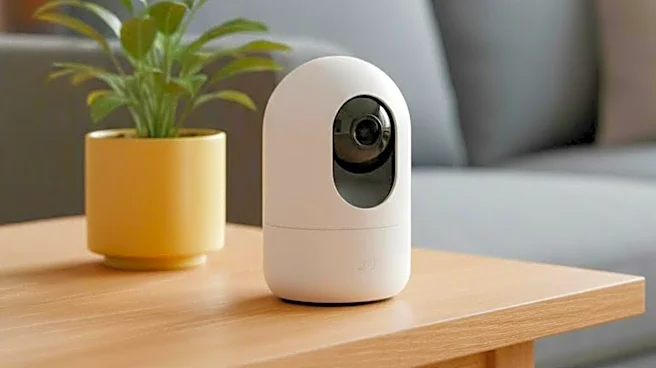
Tapo has launched a new lineup of home security devices designed for self-monitoring and DIY installation, aiming to provide a complete security system without requiring monthly subscriptions. The system integrates outdoor cameras, video doorbells, smart
locks, and indoor sensors, all managed through a single Tapo app. Key features across the camera range include 4K resolution, color night vision, and AI-powered detection for people, vehicles, or pets. Users can store video clips locally on a microSD card, with an optional Tapo Care subscription available for cloud storage. The system emphasizes ease of installation, with many devices being battery or solar-powered, and offers advanced functionalities like pan/tilt cameras for wide coverage and dual-lens cameras for simultaneous wide and zoomed views. Facial recognition is also available on some devices, though not in Illinois and Texas.
Why It's Important?
This development is significant for U.S. consumers seeking flexible and cost-effective home security solutions. By eliminating mandatory subscription fees for core features, Tapo challenges the traditional model dominated by professional monitoring services that often come with long-term contracts. This approach empowers homeowners to customize their security setups according to their specific needs and budgets, adding devices incrementally. The focus on DIY installation also reduces barriers to entry, making advanced security technology more accessible. The integration of various devices into a single app streamlines user experience, potentially increasing adoption rates among tech-savvy consumers and those looking for greater control over their home security without external intervention.
What's Next?
The introduction of Tapo's subscription-free DIY home security system is likely to intensify competition within the U.S. home security market. Other manufacturers may respond by offering similar no-subscription models or enhancing their DIY options to retain market share. Consumers can expect to see more innovation in integrated smart home security, with an emphasis on user-friendly interfaces and flexible expansion capabilities. The success of Tapo's model could also influence the development of industry standards for interoperability, potentially leading to more seamless integration with other smart home ecosystems beyond Amazon Alexa and Google Assistant, such as Apple Home and SmartThings, as Matter certification becomes more prevalent.
Beyond the Headlines
The shift towards DIY, subscription-free home security systems like Tapo's reflects a broader trend of consumer empowerment and a desire for greater control over personal data and privacy. By allowing local storage of video footage, these systems address concerns about data security and the potential misuse of cloud-stored information. This model also fosters a sense of self-reliance among homeowners, moving away from dependence on third-party monitoring services. The ethical implications of facial recognition technology, even with on-device encryption, will remain a point of discussion, particularly regarding privacy and potential biases, necessitating ongoing regulatory scrutiny and transparent implementation by manufacturers.