







What's Happening?
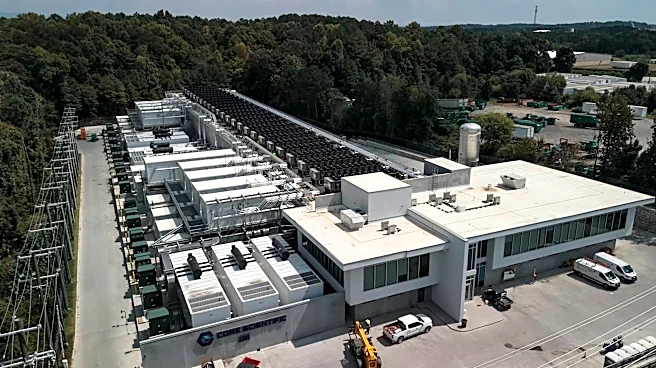
Stephen Ross, owner of the Miami Dolphins and founder of Related Companies, is developing a $16 billion data center project in Michigan. This initiative is part of a broader trend where sports executives are diversifying their portfolios into data centers.
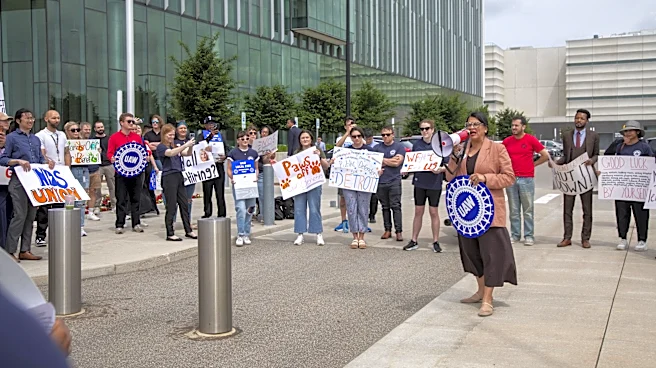
The project has encountered significant pushback from local residents. This development mirrors similar ventures by other prominent figures, such as Robert Kraft of the New England Patriots, who is proposing a large data center complex in central Massachusetts, also facing local opposition. The move into data centers is seen as a strategic business decision, with new investment in the U.S. heavily flowing into this sector over the past two years, according to sports economist Victor Matheson.
Why It's Important?
The significant investment by high-profile individuals like Stephen Ross and Robert Kraft into data centers highlights a major shift in investment trends within the U.S. economy. This influx of capital into data infrastructure underscores the growing demand for digital services and data storage, reflecting the increasing digitalization of various industries and daily life. However, the local opposition encountered by these projects, particularly the $16 billion Michigan data center, indicates potential conflicts between economic development and community concerns. These concerns often revolve around environmental impact, resource consumption, and changes to local landscapes. The trend suggests that while data centers are lucrative investments, their expansion will likely continue to face scrutiny and resistance from affected communities, potentially leading to regulatory challenges and prolonged development processes.
What's Next?
The Michigan data center project by Stephen Ross's Related Companies is likely to continue facing local opposition, which could lead to further public hearings, community organizing, and potential legal challenges. The outcome of these local disputes could influence future data center developments across the U.S., potentially setting precedents for how such large-scale infrastructure projects are approved and integrated into communities. Developers may need to enhance their engagement with local stakeholders and address concerns regarding environmental impact and resource allocation more proactively. The ongoing debate around these projects will also likely shape public policy regarding data center construction and operation, potentially leading to new regulations or incentives aimed at balancing economic growth with community well-being.
Beyond the Headlines
The trend of sports executives investing in data centers reveals a deeper economic transformation where traditional wealth is increasingly channeled into digital infrastructure. This shift signifies the foundational role of data in the modern economy, moving beyond mere technological advancement to become a critical asset class. The ethical implications arise from the potential for significant environmental impact, particularly concerning energy consumption and water usage, which are substantial for large data centers. Culturally, the resistance from local communities reflects a growing awareness and assertiveness regarding the impact of large-scale industrial developments on their quality of life and local environment. This dynamic highlights a broader societal challenge: how to accommodate essential technological growth while preserving community values and ecological balance.