
What's Happening?
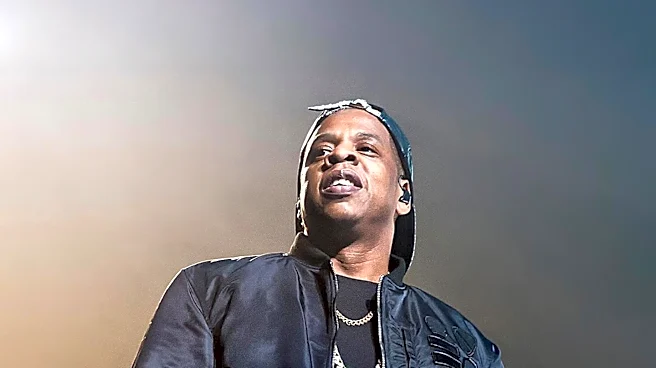
Zane Lowe, an executive at Apple Music and host of 'The Zane Lowe Show,' has credited Jay-Z with influencing a significant change in his approach to artist interviews. Lowe revealed in an interview with Kristin
Robinson on Billboard’s On The Record that Jay-Z insisted on a longer, more open-ended interview format during their conversation about his album 'Magna Carta Holy Grail.' This experience led Lowe to move away from the traditional radio format, which prioritized brevity to keep listeners engaged, towards more in-depth exchanges. Lowe noted that YouTube's rise also contributed to this shift, allowing for longer-form content. He also reflected on the importance of artists choosing the right business partners, citing examples of musicians whose careers suffered due to poor choices in managers, record companies, lawyers, and publicists. Despite these industry frustrations, Lowe maintains his passion for music itself.
Why It's Important?
This shift in interview style, influenced by a prominent artist like Jay-Z, is important for the music and media industries. It signifies a move towards more substantive and less constrained conversations with artists, potentially offering deeper insights into their creative processes and personal experiences. For Apple Music, this approach aligns with its strategy of creating rich, engaging content beyond just music streaming, as evidenced by its investment in physical spaces for artist conversations, including a new 15,000-square-foot facility in Los Angeles. This trend could influence other media platforms to adopt similar long-form interview styles, providing a more nuanced portrayal of artists and their work. It also highlights the growing power of artists to dictate the terms of their media engagement, moving away from traditional promotional formats.
What's Next?
The continued adoption of long-form interviews by platforms like Apple Music suggests a future where artist-media interactions are more comprehensive and less driven by soundbites. Apple Music's expansion of its studio network, including facilities in Los Angeles, Nashville, Tokyo, Paris, Berlin, and New York, indicates a commitment to fostering these in-depth conversations globally. This trend could lead to a richer archive of artist perspectives and a more informed public. For Zane Lowe, this approach solidifies his reputation as an interviewer who prioritizes genuine exchange over conventional media constraints. The industry may see more artists following Jay-Z's lead, advocating for formats that allow for a more complete narrative of their work and careers.
Beyond the Headlines
Zane Lowe's reflection on the importance of artists choosing the right business partners delves into a critical, often overlooked aspect of the music industry: the ethical and practical implications of professional relationships. His observation that many talented musicians' careers faltered due to poor choices in management, legal representation, or public relations highlights the vulnerability of artists in a complex commercial ecosystem. This underscores the need for greater transparency and ethical conduct within the industry's support structures. Furthermore, the evolution of interview formats, from radio's time constraints to YouTube's open-ended possibilities, reflects broader changes in media consumption and audience expectations. It suggests a cultural shift towards valuing authenticity and depth in celebrity interactions, moving beyond superficial promotional cycles to a more genuine engagement with artistic personalities and their narratives.