







What's Happening?
Lymphatic drainage is a specialized, gentle massage technique designed to support the body's fluid system, primarily used in lymphoedema care. This treatment involves light pressure and rhythmic movements to stimulate the flow of lymph fluid. The process
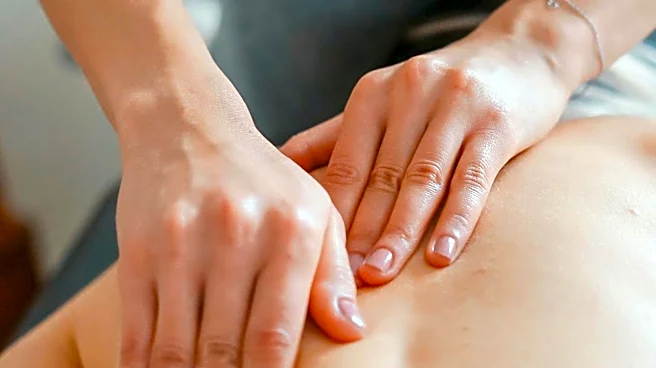
helps in removing toxins, waste products, and excess fluid from the body, while also bolstering immune function. Unlike traditional massages that focus on muscle manipulation, lymphatic drainage targets the lymphatic pathways, which are located close to the skin's surface. Practitioners use gentle, circular motions to encourage the natural movement of lymph, aiming to reduce swelling and enhance overall health. Sessions are typically calm and unhurried, with clients often experiencing deep relaxation. The technique is distinct from deep-tissue massage, as applying too much pressure can be counterproductive to stimulating the delicate lymphatic vessels.
Why It's Important?
The importance of lymphatic drainage lies in its direct impact on the body's immune system and fluid balance. The lymphatic system plays a crucial role in detoxification and immune response, making its efficient functioning vital for overall health. For individuals suffering from lymphoedema, a condition characterized by swelling due to lymph fluid buildup, this massage technique is a cornerstone of management, offering relief and improved quality of life. Beyond lymphoedema, it is increasingly recognized for its benefits in reducing general swelling, aiding post-surgical recovery, and promoting relaxation. By facilitating the removal of waste and excess fluid, lymphatic drainage can alleviate feelings of puffiness, heaviness, and sluggishness, contributing to enhanced well-being and potentially reducing the burden on other bodily systems.
What's Next?
As awareness of lymphatic health grows, the demand for skilled lymphatic drainage practitioners is likely to increase. Further research may continue to explore the broader applications of this technique, potentially expanding its use in various medical and wellness contexts. For individuals considering this treatment, it is crucial to seek out qualified practitioners who understand the specific nuances of lymphatic drainage, as improper technique can be ineffective. The field may also see advancements in complementary therapies or tools that enhance the effects of manual lymphatic drainage. Patients with specific medical conditions, such as untreated deep vein thrombosis (DVT) or certain heart, kidney, or liver conditions, should consult with their healthcare provider before undergoing lymphatic drainage to ensure its suitability and safety.
Beyond the Headlines
Beyond its immediate therapeutic benefits, lymphatic drainage highlights a broader shift in healthcare towards holistic and preventative approaches. The emphasis on supporting the body's natural detoxification and immune processes, rather than solely treating symptoms, reflects a growing understanding of interconnected physiological systems. This gentle therapy also underscores the importance of subtle bodily processes that are often overlooked in conventional medicine. Ethically, the practice emphasizes patient comfort and a non-invasive approach, aligning with principles of gentle care. Culturally, the increasing popularity of lymphatic drainage may signify a greater societal appreciation for self-care practices that promote internal balance and well-being, moving beyond purely aesthetic or muscle-focused bodywork to embrace deeper physiological support.