
What's Happening?
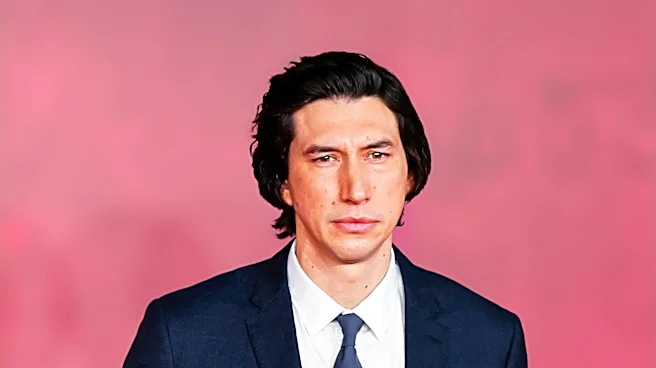
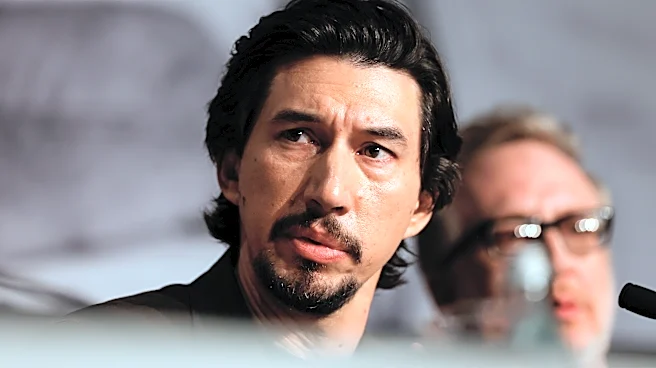
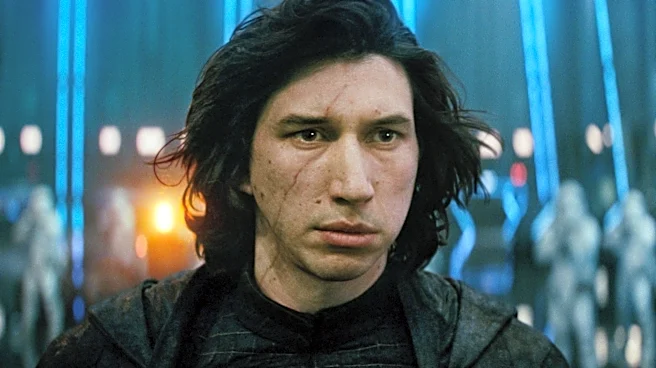
Actor Adam Driver has voiced strong criticism regarding Disney's decision to cancel a Ben Solo (Kylo Ren) film project he was developing with Oscar-winning director Steven Soderbergh. Driver revealed that
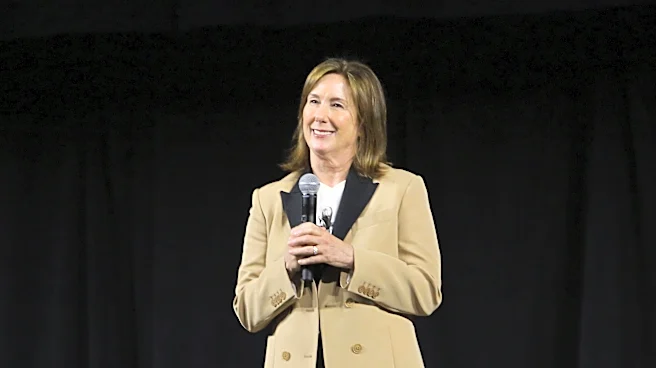
he and Soderbergh spent approximately two and a half years working on 'The Hunt for Ben Solo' without compensation, driven by their belief in the story and encouragement from Lucasfilm. The project had significant internal support from Lucasfilm figures, including Kathleen Kennedy, Dave Filoni, and Carrie Beck. However, Disney executives Bob Iger and Alan Bergman ultimately rejected the film, citing Ben Solo's death in 'The Rise of Skywalker' as the reason. Driver expressed his disappointment, noting that the prospect of a Soderbergh-directed Star Wars movie should have been sufficient for approval, calling the decision 'criminal.' The proposed film aimed for a low budget to maximize creative freedom, with Soderbergh directing and Driver reprising his role.
Why It's Important?
This development highlights the creative tensions that can arise between filmmakers and major studio executives, particularly within established franchises like Star Wars. Adam Driver's public critique underscores the challenges artists face when their vision clashes with corporate decisions, even when projects have significant internal backing and acclaimed talent attached. The rejection, based on a character's death, also raises questions about narrative consistency and creative flexibility within the Star Wars universe, especially given previous instances of character resurrections within the saga. For fans, this news represents a missed opportunity to explore a popular character's story further, potentially impacting their perception of Disney's handling of the franchise. It also sheds light on the financial and creative control dynamics in Hollywood, where even acclaimed directors and actors may struggle to get passion projects greenlit.
What's Next?
While the Ben Solo film project has been definitively rejected, Adam Driver's public comments may spark further discussion among fans and industry insiders about creative control within large studios. It is unlikely that Disney will reverse its decision, given the stated reason for rejection. However, the incident could influence future project development within Lucasfilm and Disney, potentially leading to more transparent communication or different approaches to pitching ideas. For Driver and Soderbergh, this means moving on to other projects, though Driver's remarks suggest a lasting frustration with the outcome. The broader implication for the Star Wars franchise might be a continued focus on established timelines or characters that align more directly with current executive visions, potentially limiting explorations of alternative narratives or character arcs.
Beyond the Headlines
The cancellation of 'The Hunt for Ben Solo' touches upon deeper themes of artistic integrity versus corporate strategy in blockbuster filmmaking. Driver's willingness to work without pay for years on a project he believed in speaks to the passion artists bring to their craft, which can often be at odds with the commercial considerations of large corporations. The irony noted by Driver—that Ben Solo's death was cited as a reason for rejection, while Emperor Palpatine was resurrected in the same trilogy—highlights a perceived inconsistency in narrative rules applied by the studio. This situation could fuel ongoing debates about the balance between fan service, creative risk-taking, and adherence to established canon within expansive cinematic universes. It also raises questions about the ultimate authority in creative decisions, even when key creative personnel within a subsidiary support a project.