





What's Happening?
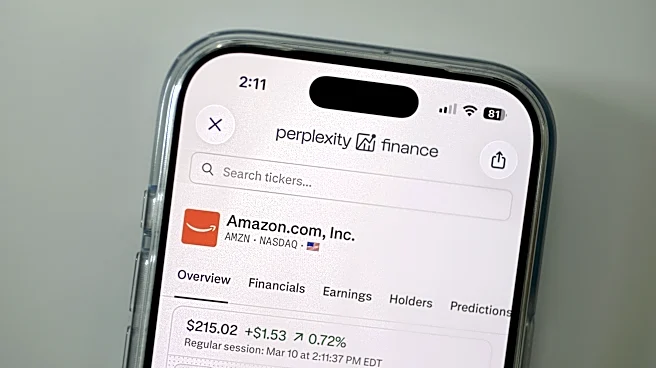
Dan Loeb's hedge fund, Third Point, completely divested its Amazon position in the third quarter. This decision was reportedly driven by concerns that Amazon's spending on artificial intelligence (AI) is significantly outpacing the revenue generated from
these investments. This move contrasts with other investment firms, such as Sone Capital Management, which increased its Amazon holdings by 36% in the same quarter, making Amazon its largest holding. Amazon's CEO, Andy Jassy, has indicated that the company plans to spend 'meaningfully more' than the current year's approximately $220 billion on AI in the coming year, with analysts projecting a $41.2 billion free cash outflow in 2026. Despite Third Point's exit, analysts' average price targets for Amazon have risen over the past year, suggesting continued optimism from some quarters.
Why It's Important?
Third Point's complete sale of its Amazon stake signals a significant bearish outlook on the e-commerce and cloud computing giant, particularly concerning its AI investment strategy. This move by a prominent hedge fund could influence other investors to re-evaluate their positions in Amazon, especially those who share concerns about the company's high AI spending and its impact on profitability. While some analysts remain optimistic, Loeb's decision highlights a potential risk for companies investing heavily in emerging technologies without immediate, commensurate revenue returns. This divergence in investor sentiment underscores the ongoing debate about the valuation and future prospects of tech companies heavily involved in AI development, impacting the broader technology sector and investor confidence.
What's Next?
The market will closely monitor Amazon's financial performance in the coming quarters, particularly its AI-related expenditures and their impact on revenue and free cash flow. If Amazon's AI investments begin to yield substantial returns and contribute positively to its bottom line, it could validate the bullish stance of firms like Sone Capital Management and potentially lead to a re-evaluation by those who divested. Conversely, if AI spending continues to outpace revenue growth, it could reinforce Third Point's concerns and potentially lead to further downward pressure on Amazon's stock. The ongoing narrative around AI profitability and its integration into major tech companies will be a key theme for investors in the near future.
Beyond the Headlines
Dan Loeb's decision to exit Amazon due to AI spending concerns touches upon a broader, critical issue in the technology industry: the balance between aggressive investment in future technologies and immediate financial returns. This situation highlights the inherent tension between long-term strategic growth and short-term profitability, a challenge faced by many large tech companies. The debate over Amazon's AI strategy reflects a larger market sentiment regarding the sustainability and economic viability of massive AI investments. It also raises questions about how investors should value companies making significant, speculative bets on emerging technologies, and the potential for these investments to either drive unprecedented growth or lead to substantial financial drains. This dynamic will likely shape investment trends and corporate strategies across the tech sector for years to come.