






What's Happening?
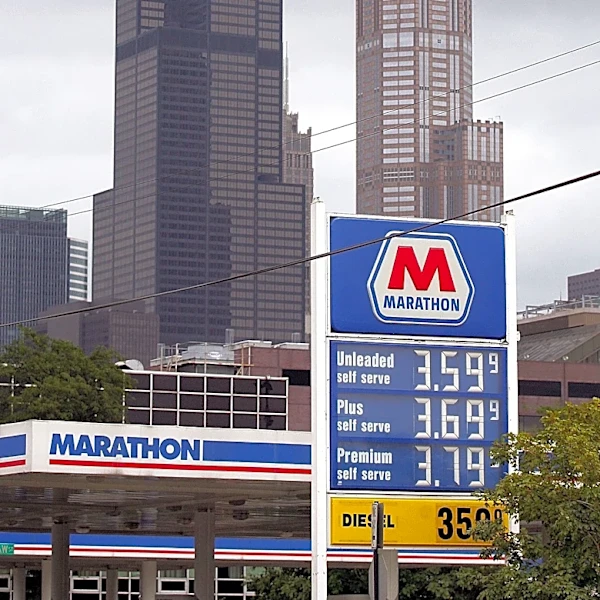
Marathon Petroleum Corporation (MPC) and its midstream affiliate, MPLX LP, have jointly announced a definitive agreement to sell their St. Paul Park, Minnesota, and Mandan, North Dakota, refineries, along with associated midstream assets, to CVR Energy,
Inc. The total purchase price for this transaction is $4.2 billion, which includes inventory value and is subject to purchase price adjustments. Specifically, MPC will receive $3.45 billion for the refining assets, excluding inventory value, while MPLX will receive $750 million for the related midstream assets. The St. Paul Park refinery has a crude oil capacity of 105 thousand barrels per calendar day (bpcd), and the Mandan refinery has a crude oil capacity of 72 thousand bpcd. Following this divestiture, MPC will continue to operate one of the largest refining systems in the nation, maintaining an aggregate crude oil refining capacity of approximately 2.8 million bpcd. The midstream assets being sold by MPLX include interests in a crude oil pipeline, storage capacity, and three terminals, with the sale representing a 9x multiple on forecast 2027 EBITDA.
Why It's Important?
This divestiture is a strategic move by Marathon Petroleum and MPLX LP to optimize their portfolio and enhance value creation. By selling these assets, MPC aims to reinvest the capital primarily in the Gulf Coast, a region often characterized by larger, more complex refineries with better access to global markets and diverse crude oil supplies. This could lead to improved operational efficiency and profitability for MPC. For MPLX, the capital generated will support its growth initiatives in the Permian and Marcellus basins, key areas for crude oil and natural gas production in the U.S. This transaction allows both companies to focus on their core strengths and high-growth areas, potentially leading to increased shareholder value. CVR Energy, as the buyer, will expand its refining and midstream footprint, gaining strategic assets in the Midwest. The transaction also reflects ongoing consolidation and strategic realignments within the U.S. energy sector, as companies adapt to market dynamics and pursue long-term competitive positioning.
What's Next?
The transaction is anticipated to conclude by the end of 2026, pending customary closing conditions, including clearance under the Hart-Scott-Rodino Antitrust Improvements Act of 1976. Both the board of directors of MPC and the board of directors of MPLX's general partner, following special approval by its independent conflicts committee, have unanimously approved the deal. MPC was advised by Goldman Sachs & Co LLC for financial matters, Moelis & Company for strategic matters, and Jones Day for legal matters. RBC Capital Markets, LLC served as financial advisor, and Latham & Watkins LLP acted as legal advisor to MPLX's conflicts committee. Upon completion, MPC will proceed with its plans to reinvest the proceeds in its Gulf Coast operations, while MPLX will allocate its funds towards growth in the Permian and Marcellus basins. The market will likely monitor the integration of these assets into CVR Energy's portfolio and the subsequent performance of all involved companies.
Beyond the Headlines
This divestiture highlights a broader trend in the energy industry where companies are continuously evaluating and optimizing their asset portfolios to adapt to evolving market conditions, regulatory landscapes, and energy transition goals. The sale of older, smaller refineries in less strategic locations allows companies like Marathon Petroleum to concentrate resources on more competitive and higher-return assets. This strategic shift can have implications for regional energy markets, potentially affecting fuel supply chains and local economies in areas where assets are divested or new investments are made. Furthermore, the focus on growth in key production basins like the Permian and Marcellus underscores the continued importance of domestic oil and gas production in the U.S. energy mix, even as the industry navigates pressures for decarbonization and sustainability. The transaction also demonstrates the role of midstream assets in supporting refining operations and the value placed on integrated energy infrastructure.