







What's Happening?
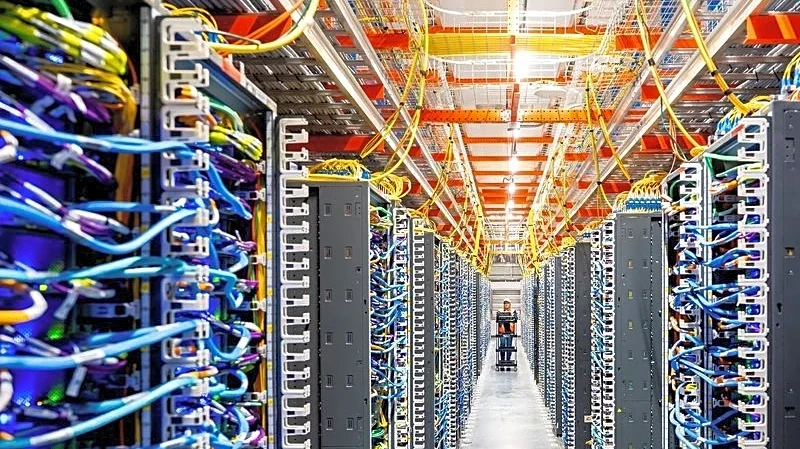
Missouri Governor Mike Kehoe addressed the Power MO summit in Jefferson City, highlighting the critical importance of data centers for the state's energy future and economic growth. Kehoe stressed that speed is essential for Missouri to compete effectively
for data center projects. Ron Kitchens, CEO of Greater St. Louis Inc., warned that communities without large data centers might not be viable in the future, comparing their impact to historical infrastructure like railroads and Route 66. The summit, hosted by Missouri’s Public Service Commission, celebrated significant progress in securing energy future and attracting over $40 billion in data center investments from companies like Amazon, Google, and Nebius. However, speakers also noted that this unprecedented growth necessitates major updates to the state's aging infrastructure and a significant increase in power generation capacity, with Kehoe advocating for a diverse energy portfolio including nuclear power.
Why It's Important?
The emphasis on data centers at the Power MO summit underscores a pivotal shift in Missouri's economic and energy strategy. Data centers are massive consumers of electricity, and their proliferation signals a dramatic increase in demand for power, which has been flat for 15 years. This surge necessitates substantial investment in new power plants and transmission infrastructure, creating both challenges and opportunities for utility companies and the state's energy sector. The economic impact is significant, with data centers bringing substantial investment and tax revenue, potentially reshaping local economies. However, the rapid development also raises concerns about infrastructure strain and the need for careful planning and regulation, as indicated by Governor Kehoe's expectation of more legislative guardrails around data centers. The state's ability to attract and support these facilities will be a key determinant of its future economic competitiveness.
What's Next?
Missouri faces the immediate challenge of rapidly expanding its energy infrastructure to meet the skyrocketing demand from new data centers. This will involve building new power plants, with a focus on a diverse energy portfolio that Governor Kehoe suggests should include nuclear power. The state legislature is expected to introduce more 'guardrails' around data center projects in the upcoming session, indicating potential regulatory changes to manage their development and impact. Utility companies like Ameren Missouri are already planning significant increases in power generation, with a greater reliance on natural gas. Communities will need to carefully evaluate data center proposals to ensure they align with local needs and infrastructure capabilities, as Governor Kehoe noted that not every community will be suitable for such projects. The state's energy policy and infrastructure development will be under intense scrutiny as it navigates this period of rapid growth.
Beyond the Headlines
The discussion around data centers in Missouri reveals deeper implications for regional development and environmental policy. The comparison of data centers to historical infrastructure like railroads highlights their transformative potential, but also the risk of exacerbating economic disparities between communities that attract them and those that do not. The massive energy consumption of these facilities raises questions about the state's carbon footprint and its commitment to sustainable energy sources, even as leaders advocate for a diverse energy mix. The need for 'guardrails' suggests a recognition of potential negative externalities, such as land use, water consumption, and strain on local resources. This rapid industrialization driven by the digital economy will require a delicate balance between economic growth, environmental stewardship, and equitable development, shaping Missouri's landscape and economy for decades to come.