





What's Happening?
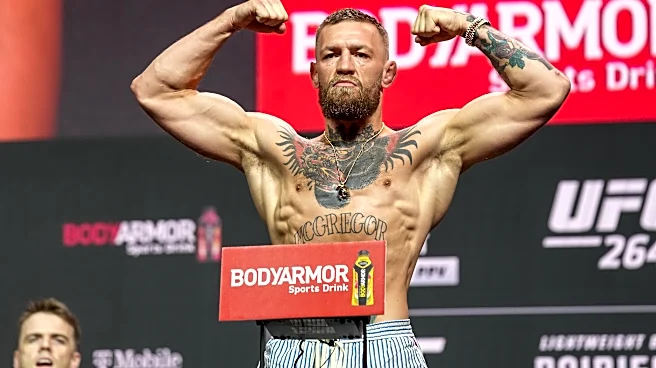
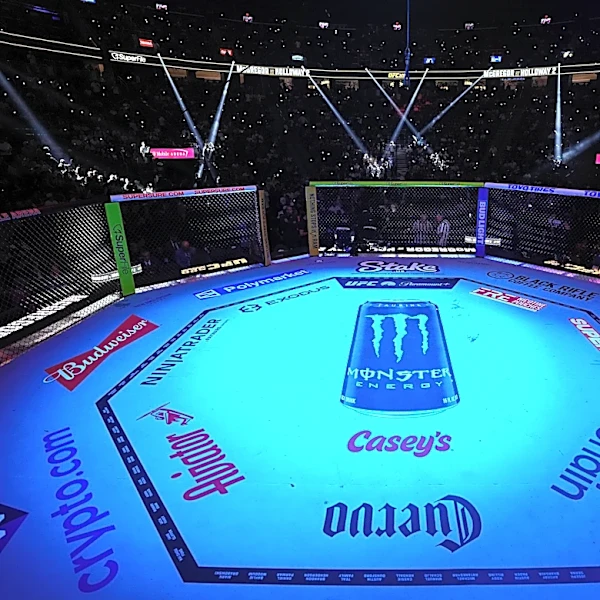
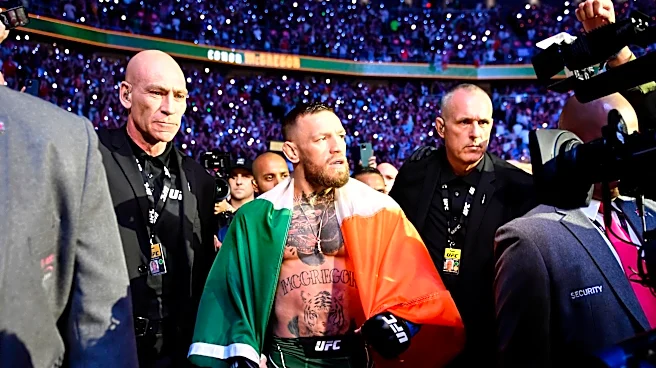
During the UFC 329 event, Conor McGregor faced Max Holloway in a highly anticipated rematch. The fight, held in Las Vegas, was marked by an unexpected turn when McGregor suffered a knee injury early in the first round. Despite an aggressive start, McGregor's
injury led to a quick conclusion of the bout, with Holloway signaling to the referee about McGregor's condition. The fight was stopped, highlighting the physical risks involved in mixed martial arts and the impact of injuries on high-profile matches.
Why It's Important?
Conor McGregor's injury during the UFC 329 event is significant as it affects his career trajectory and the UFC's promotional plans. McGregor, a major draw for the UFC, brings substantial viewership and revenue. An injury could delay future fights, impacting the UFC's scheduling and financial projections. Additionally, this incident raises concerns about fighter safety and the need for effective injury management protocols in combat sports. The outcome of this fight may also influence rankings and future matchups within the UFC.
What's Next?
Following McGregor's injury, the UFC will likely assess the extent of his condition to determine recovery timelines and potential return to the octagon. This situation may prompt discussions about fighter safety and the implementation of enhanced medical evaluations before and after fights. Fans and stakeholders will be keenly watching for updates on McGregor's health and any announcements regarding his next steps in the sport. The UFC may also explore alternative matchups to maintain audience interest and revenue streams during McGregor's recovery period.