



What's Happening?
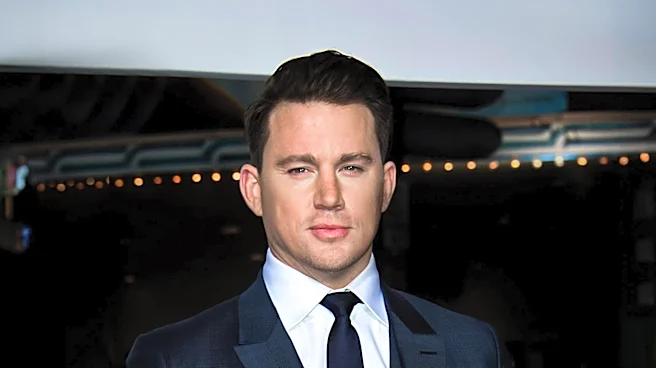
Channing Tatum has publicly denied owning a burner account, addressing recent speculation on social media. This denial comes as part of a broader 'Trending this week' segment in a social media industry update. The context of the mention is within a compilation
of various social media news and trends, including Pinterest's new predictive optimization tools, Meta's Threads-specific business permissions, and updates from platforms like X (formerly Twitter), YouTube, Discord, and Snapchat. The article highlights several trending topics and social media developments, with Tatum's statement being one of the notable mentions in the 'Trending this week' section, indicating public interest in the matter.
Why It's Important?
Channing Tatum's public denial of a burner account is significant in the context of celebrity culture and social media scrutiny. In an era where public figures are constantly under observation, the existence of 'burner accounts'—anonymous social media profiles used to observe or interact discreetly—can lead to speculation about authenticity and privacy. For celebrities, such rumors can impact their public image and fan perception. This event underscores the intense media attention on public figures' online activities and the pressure they face to address rumors, even those originating from informal social media discussions. It also highlights the broader trend of how social media platforms, and the content shared on them, shape public discourse and celebrity narratives, often requiring direct responses from individuals to manage their public personas.
What's Next?
Following Channing Tatum's denial, the immediate impact will likely be a reduction in speculation regarding his alleged burner account. However, in the fast-paced world of social media, new trends and rumors can emerge quickly. For Tatum, this public statement serves to clarify his position and maintain control over his public narrative. For social media platforms and the entertainment industry, this incident is another example of the ongoing challenges in managing celebrity presence online, balancing public interest with individual privacy. Future developments might include continued discussions on celebrity social media use, the ethics of online speculation, and how public figures choose to engage with or disengage from such rumors. The broader social media landscape will continue to evolve with new tools and features, as highlighted by other news in the source, which will invariably influence how public figures interact online.
Beyond the Headlines
The discussion around Channing Tatum's alleged burner account touches upon deeper themes of digital identity, privacy, and the parasocial relationships between celebrities and their audiences. In an age where social media blurs the lines between public and private life, the concept of a 'burner account' reflects a desire for anonymity or unfiltered interaction, even for those in the public eye. This incident highlights the constant tension between a celebrity's curated public image and the perceived authenticity sought by fans. It also underscores the power of social media to generate and amplify rumors, regardless of their veracity, and the subsequent need for public figures to engage in reputation management. The broader implications extend to how society views privacy in the digital age and the evolving expectations placed on public figures to be transparent about their online activities.