




What's Happening?
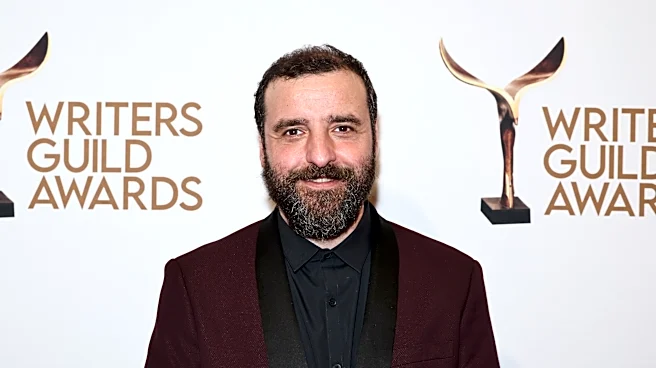
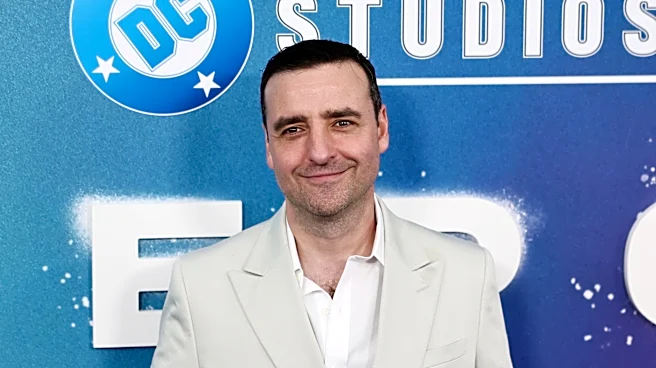
Actor David Krumholtz, known for his roles in 'Oppenheimer,' 'The Santa Clause,' and 'Numb3rs,' has announced an indefinite break from acting. In a now-deleted social media post, Krumholtz expressed feeling 'frustrated, fed up, fried' after over 30 years
in Hollywood. He cited significant changes in the industry since he began acting in the early 1990s, particularly regarding fair pay and career momentum. Krumholtz stated that the 'conglomerate corporatizing of Hollywood' has shifted unwritten rules of mutual respect, leading to actors being 'mass demoted.' He also voiced frustration with the expectation to promote oneself on social media for 'likes and follows' to secure work, including fan conventions and internet ads, to supplement income that traditional acting roles no longer provide adequately. Despite his decision, Krumholtz indicated a willingness to return to acting if the 'right opportunity' arises, emphasizing his desire to make an impact rather than solely pursue financial gain.
Why It's Important?
Krumholtz's decision highlights growing concerns within the entertainment industry regarding actor compensation, career sustainability, and the evolving demands placed on performers. His comments about declining residuals, the necessity of social media self-promotion, and the 'mass demotion' of experienced talent reflect broader anxieties among actors, particularly those outside the top tier. This situation underscores the economic pressures faced by many in Hollywood, where traditional income streams are diminishing, and new, often unpaid, responsibilities are emerging. The shift towards requiring actors to maintain a significant social media presence for career viability blurs the lines between artistry and personal branding, potentially impacting creative freedom and mental well-being. His experience also points to the challenges of maintaining a long-term career in an industry increasingly dominated by large corporations, where the value placed on experience and talent may be diminishing in favor of marketability and digital engagement.
What's Next?
Krumholtz's immediate future involves an indefinite break from acting, during which he plans to explore other avenues for making an impact. While he has expressed openness to acting again for suitable projects, his current stance suggests a period of reevaluation and potential career redirection. His public statements may encourage further dialogue within the acting community and unions about fair compensation, the impact of social media on careers, and the changing landscape of Hollywood. It remains to be seen if his decision will prompt any industry-wide discussions or policy changes regarding actor welfare and compensation models. Other actors facing similar pressures might draw inspiration from his candidness, potentially leading to more public expressions of discontent or collective action to address these systemic issues.
Beyond the Headlines
Krumholtz's departure from acting, even if temporary, sheds light on the ethical and economic dilemmas confronting artists in the digital age. The expectation for actors to become self-promoters on social media raises questions about the commodification of personal identity and the pressure to perform constantly, both on and off-screen. This trend can erode the distinction between an actor's professional and private life, potentially leading to burnout and mental health challenges. Furthermore, his critique of 'exploitative art' and the corporate influence in Hollywood points to a broader debate about artistic integrity versus commercial viability. The long-term implications could include a shift in how talent is discovered and nurtured, with less emphasis on traditional acting prowess and more on digital footprint. This could fundamentally alter the career paths for aspiring actors and reshape the creative output of the industry, prioritizing content that aligns with social media trends over nuanced storytelling.