







What's Happening?
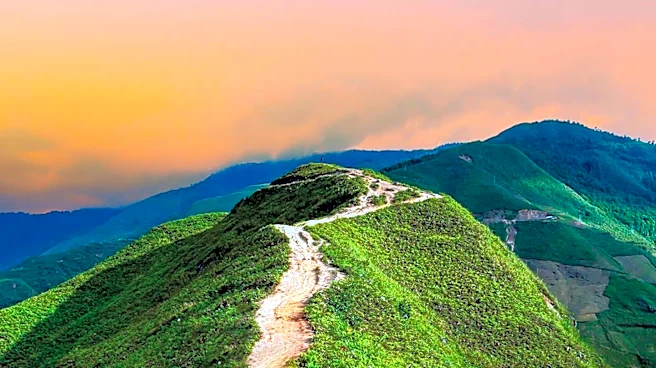
Baby Boomers, defined as those born between 1946 and 1964, continue to be one of the most traveled generations in the U.S. Despite aging, many Boomers still enjoy outdoor activities such as hiking. However, as physical capabilities change, there is a growing
interest in finding hiking trails that offer both scenic beauty and accessibility. A selection of trails across the United States has been identified as particularly suitable for older hikers. These trails were chosen based on their scenic beauty, accessibility, and suitability for older hikers, with input from sources like Outside Online, AARP, and the National Park Service. The trails include diverse landscapes such as coastal paths, boardwalks through wetlands, and alpine lakes, providing dramatic yet accessible experiences.
Why It's Important?
The focus on accessible hiking trails for Boomers highlights the importance of inclusivity in outdoor recreation. As the population ages, there is a growing need for recreational options that accommodate varying physical abilities. This trend also reflects broader societal shifts towards promoting health and wellness among older adults. By identifying and promoting accessible trails, there is potential to enhance the quality of life for Boomers, encouraging them to remain active and engaged with nature. This can have positive implications for public health and tourism, as well as for the preservation of natural spaces that are made more accessible to a wider audience.