






What's Happening?
Bobby Berk, former interior design expert from Netflix's 'Queer Eye,' is emphasizing the importance of scale when selecting living room furniture. In an interview with Homes & Gardens, Berk highlighted a common mistake where individuals prioritize comfort
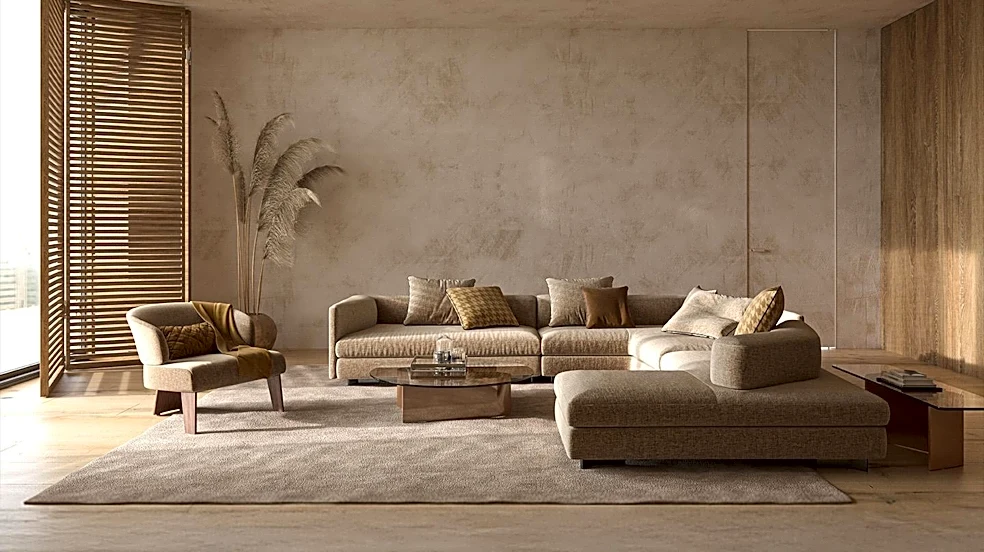
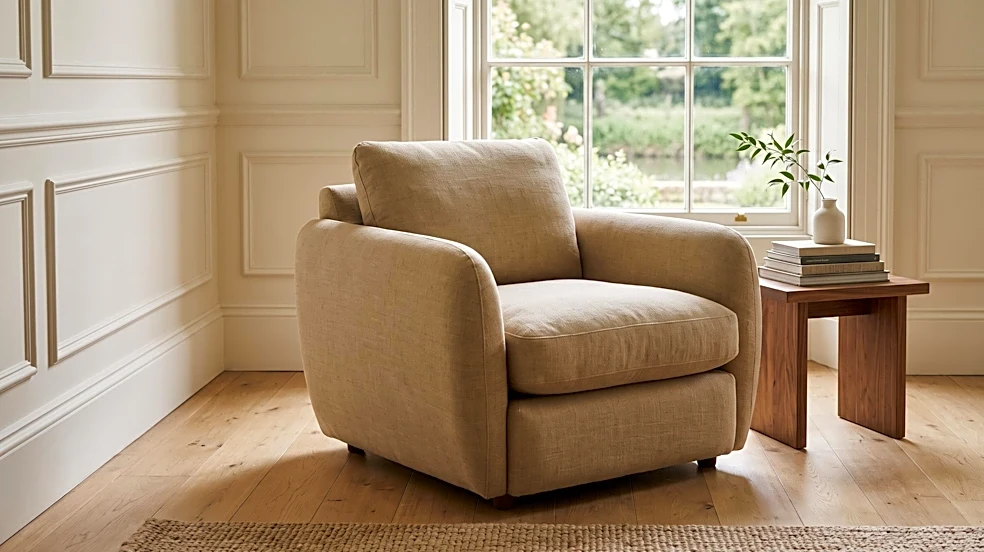
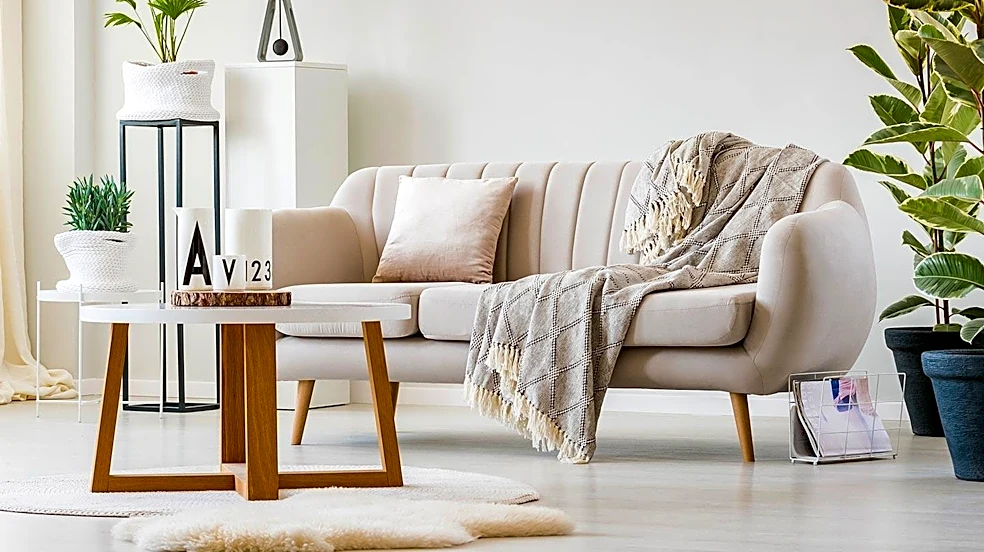
over how well a piece fits the room's dimensions. He advises that while comfort is crucial, furniture must also be proportionate to the space to avoid making a room feel cramped or dysfunctional. Berk stresses the necessity of measuring a room thoroughly before purchasing furniture to ensure pieces, such as sofas, loveseats, and coffee tables, are not only aesthetically pleasing but also functionally appropriate. He suggests considering smaller alternatives like loveseats for limited spaces and opting for multi-use furniture, such as coffee tables with storage or sectional sleeper sofas, to maximize utility and reduce clutter.
Why It's Important?
This advice is important for U.S. consumers and the furniture industry as it addresses practical challenges in home design, particularly in an era of increasing urbanization and smaller living spaces. For consumers, understanding the significance of furniture scale and multi-functionality can lead to more efficient and comfortable homes, preventing costly purchasing mistakes and enhancing daily living. For the furniture industry, Berk's insights underscore a growing demand for thoughtfully designed pieces that cater to spatial constraints and offer versatile solutions. Manufacturers and retailers who prioritize and market furniture based on scale, adaptability, and integrated storage features are likely to gain a competitive edge. This trend also highlights a shift in consumer priorities towards practical, space-saving, and clutter-reducing furniture, influencing product development and marketing strategies across the U.S. home goods market.
What's Next?
Following Bobby Berk's recommendations, consumers are likely to become more diligent in measuring their living spaces and seeking out furniture that offers both comfort and appropriate scale. This could lead to an increased demand for compact, multi-functional furniture pieces, such as loveseats, sofas with integrated storage, and convertible sectional sleeper sofas. Furniture retailers and designers may respond by expanding their offerings in these categories, providing more detailed sizing guides, and emphasizing the space-saving benefits of their products. There might also be a greater focus on personalized design consultations to help customers make informed choices that align with their specific room dimensions and lifestyle needs. Educational content from interior design experts on optimizing small spaces is also expected to proliferate, further guiding consumer purchasing decisions.
Beyond the Headlines
Beyond the immediate practical implications, Berk's advice touches on broader cultural and economic shifts in U.S. living. The emphasis on maximizing function and reducing clutter reflects a growing minimalist trend and a desire for more intentional living, especially as urban populations increase and average home sizes in some areas decrease. This shift can influence architectural design, promoting more flexible and adaptable interior layouts. Ethically, it encourages more sustainable consumption by advocating for thoughtful purchases that serve multiple purposes and have a longer lifespan, rather than impulsive buys that may quickly become obsolete or contribute to clutter. The focus on scale also highlights the psychological impact of living spaces, where well-proportioned and organized environments can contribute to a greater sense of well-being and reduced stress.