






What's Happening?
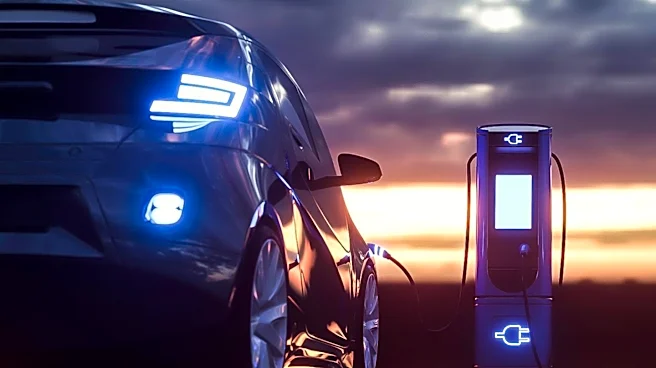
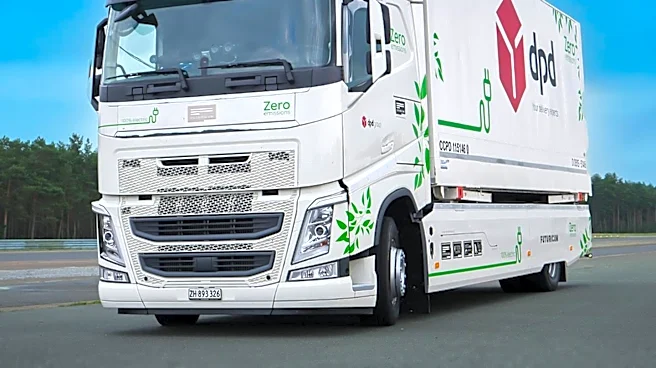
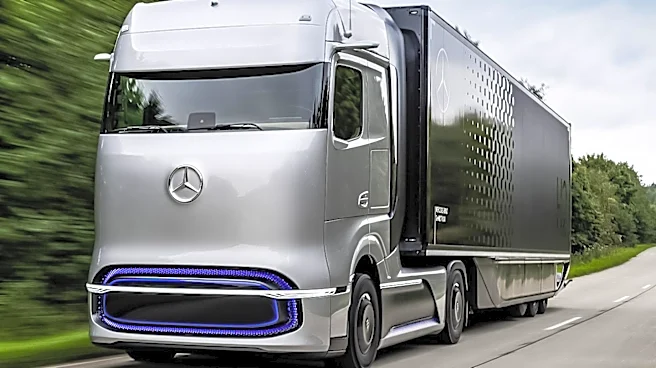
Recent developments in the logistics sector highlight the growing adoption of electric trucks and the testing of sodium-ion batteries as a potential alternative to lithium-ion technology. In Europe, early adopters of electric trucks report high satisfaction
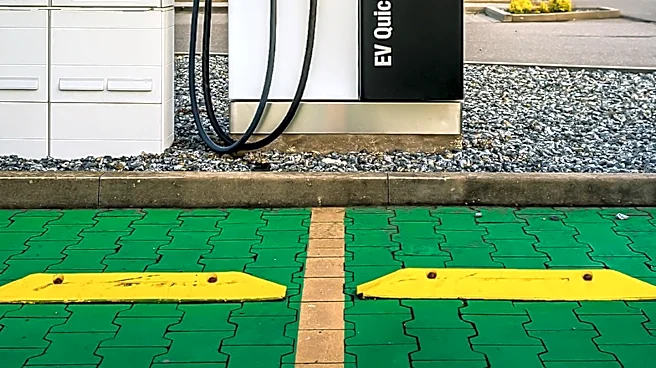
levels, citing reliability and lower fuel costs as key benefits. However, challenges remain with charging infrastructure. Meanwhile, the materials handling company Jungheinrich is testing sodium-ion batteries in real-world applications, offering a promising alternative due to their lower costs and environmental benefits.
Why It's Important?
The shift towards electric trucks and alternative battery technologies represents a significant step in reducing the carbon footprint of the logistics industry. Electric trucks offer a cleaner alternative to traditional diesel vehicles, potentially reducing emissions and operational costs. Sodium-ion batteries, with their abundant raw materials and recyclability, could provide a more sustainable energy storage solution. These innovations could drive significant changes in logistics operations, influencing industry standards and regulatory policies.
What's Next?
As the logistics industry continues to explore sustainable technologies, further advancements in charging infrastructure and battery technology are expected. Companies may increase investments in electric vehicle fleets and alternative energy sources, potentially leading to broader adoption across the sector. Regulatory bodies might also implement new standards to support these technologies, encouraging more companies to transition to greener logistics solutions. The success of these initiatives could pave the way for similar advancements in other industries.