





What's Happening?
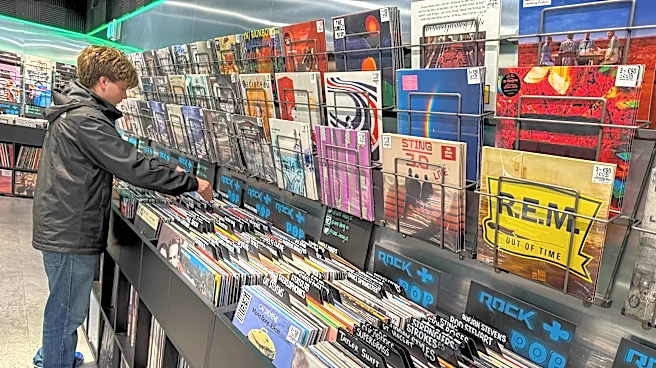
RSD Black Friday 2026 is set to feature nearly 190 rock-related titles, including vinyl reissues and exclusive picture discs from artists like George Harrison, Genesis, Skid Row, Billy Joel, Joni Mitchell, and Billy Idol. The event, which has grown significantly
since its inception, now accounts for approximately two months' worth of business for most record stores on Black Friday. Michael Kurtz, co-founder of Record Store Day, initially opposed the idea of RSD Black Friday, viewing it as more suited for large retail chains selling discounted goods. However, he acknowledges its success in helping independent record stores capitalize on one of the year's busiest shopping days. Unlike the main Record Store Day, RSD Black Friday focuses less on limited-edition exclusivity and more on providing releases that stores can stock year-round, with many titles becoming available on retail websites the following day.
Why It's Important?
The evolution of RSD Black Friday highlights a significant shift in the music retail landscape, particularly for independent record stores. What began as a smaller holiday initiative has transformed into a crucial sales event, demonstrating the enduring appeal of physical music formats, especially vinyl. The changing demographics of Record Store Day participants, with an average age now under 26 and a slight majority of female buyers, indicates a revitalization of the vinyl market among younger generations. This trend is vital for the long-term sustainability of independent record stores, as it ensures a new wave of consumers. The event's focus on integrating music buying into the broader Black Friday aesthetic, rather than strict exclusivity, also reflects a strategic adaptation to modern retail practices, allowing stores to maximize sales during a peak shopping period while still catering to dedicated music enthusiasts.
What's Next?
As RSD Black Friday continues to gain momentum, future iterations are likely to see continued growth in the number and variety of releases. The success of this event, alongside the main Record Store Day, suggests a sustained demand for physical music, particularly vinyl. Record stores will likely continue to leverage these events to attract new customers and maintain their relevance in a digital-first music industry. The changing demographics indicate that marketing efforts may increasingly target younger audiences and female consumers, potentially influencing the types of artists and genres featured in future releases. The ongoing challenge will be managing production and shipping costs, which Kurtz noted as an alarming factor, to keep vinyl accessible and affordable for consumers.
Beyond the Headlines
The success of RSD Black Friday and Record Store Day points to a broader cultural phenomenon: the resurgence of tangible media in an increasingly digital world. This trend extends beyond music to other forms of media, suggesting a desire for physical ownership, collectible items, and a more immersive, tactile experience. For independent record stores, these events are not just about sales; they are about community building and preserving a cultural institution. The shift in demographics also implies a generational re-evaluation of consumption habits, where younger consumers are embracing older technologies and formats, perhaps as a counter-narrative to the ephemeral nature of digital content. This could lead to further innovations in physical media, blending traditional formats with modern aesthetics and accessibility.