




What's Happening?
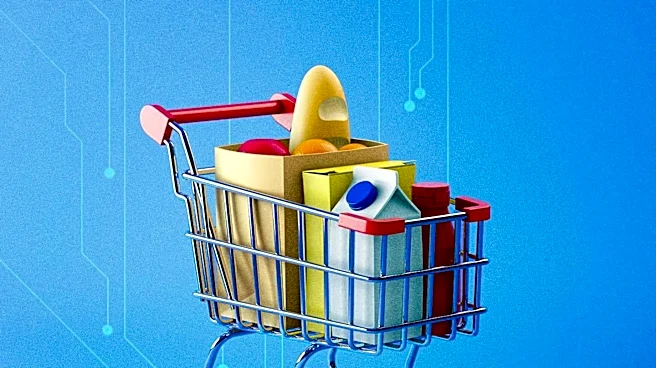
Instacart has decided to cease its smart cart program, which included the Caper Carts, citing slow adoption by grocery retailers. The Caper Carts, acquired by Instacart in October 2021, featured built-in scanners, scales, coupon clipping, product location
information, loyalty point redemption, and cashierless checkout capabilities. Despite these advanced features, grocers have not prioritized the technology, leading Instacart to reallocate its resources. The company plans to focus on software and data tools that address store conditions, inventory, and merchandising, rather than hardware solutions. Pilot projects for the Caper Carts included retailers such as Wegman’s, Weis, and Schnucks, but widespread integration did not materialize.
Why It's Important?
This decision highlights a significant challenge in the retail technology sector: the adoption of hardware-intensive solutions by established businesses. While smart carts offer potential benefits like streamlined shopping and reduced labor needs, their high upfront costs and slower deployment compared to software solutions have proven to be deterrents for grocers. This shift by Instacart indicates a broader industry trend towards prioritizing scalable software and data analytics for in-store improvements. For consumers, it means that the vision of fully automated, cashierless grocery shopping via smart carts may take longer to become a widespread reality, as retailers opt for less disruptive and more cost-effective technological upgrades.
What's Next?
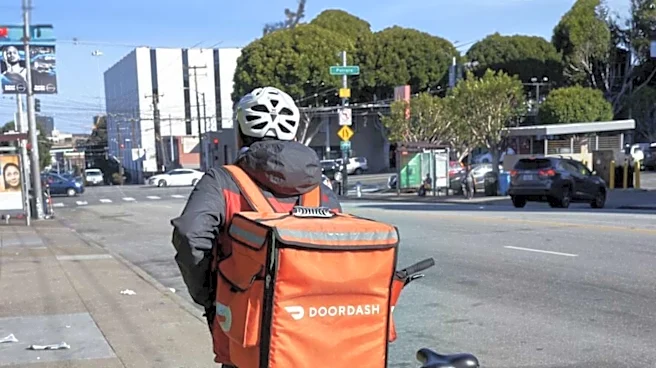
Instacart will now concentrate its efforts on developing and deploying software and data tools designed to enhance store operations, inventory management, and merchandising. This strategic pivot suggests that future technological advancements in grocery retail from Instacart will likely be less visible to the end-consumer, focusing instead on backend efficiencies and data-driven insights for retailers. The company's recent acquisition by DoorDash, expected to close by early 2028, may further influence its technology strategy, potentially integrating Instacart's grocery expertise with DoorDash's delivery network and technology. This move could lead to more sophisticated software solutions for online ordering, inventory tracking, and delivery logistics.
Beyond the Headlines
The discontinuation of Instacart's smart cart program reflects a broader industry learning curve regarding the practical implementation of advanced retail technology. It underscores the importance of understanding retailer priorities and consumer behavior when introducing innovations. The reluctance of some consumers, particularly older demographics, to embrace new technologies like smart carts or menu barcodes, as noted by retail experts, suggests that technological advancements must be intuitive and genuinely enhance the shopping experience to gain traction. This situation also raises questions about the long-term viability of hardware-centric solutions in a rapidly evolving retail landscape, pushing companies to favor flexible, scalable software platforms.