





What's Happening?
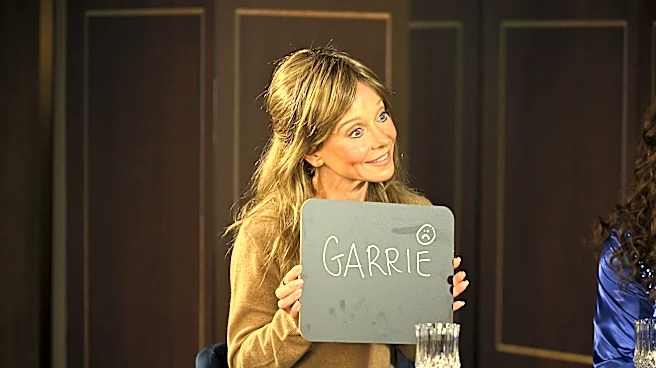
Gizelle Bryant, a veteran cast member of 'The Real Housewives of Potomac' (RHOP), has openly embraced her reputation for stirring controversy and navigating complex friendships on the show. During an appearance on 'The Breakfast Club,' Bryant acknowledged
that she is often perceived as the 'villain' in others' storylines, a role she consciously plays for entertainment. She emphasized the distinction between reality television and real life, stating that the show is primarily about entertainment, even when discussing personal matters. Bryant also addressed a recent storyline involving fellow cast member Tia Glover and allegations concerning her husband's dating app activity. Bryant received screenshots of these allegations but chose to approach Ashley Darby for verification before bringing it to Glover directly, aiming to avoid unnecessarily exposing her friend's personal business. This decision led to criticism for not speaking to Glover directly, a common challenge Bryant faces, often being accused of 'hating men' or 'breaking up marriages.' Despite the backlash, Bryant remains focused on enjoying the franchise, noting that the current season feels like spending time with longtime friends.
Why It's Important?
Gizelle Bryant's strategic embrace of a 'villain' persona on 'The Real Housewives of Potomac' highlights a significant aspect of modern reality television: the deliberate cultivation of character archetypes to maintain audience engagement and show longevity. This approach is crucial for the entertainment industry, as it ensures consistent drama and compelling narratives, which are vital for ratings and viewership. For cast members, adopting such a role can be a calculated move to stay relevant and prominent within the franchise, influencing their personal brand and potential for future media opportunities. The public's reaction to Bryant's actions, including accusations of 'messiness' and 'marriage-breaking,' reflects the blurred lines between a reality TV persona and real-life perception. This dynamic can impact how viewers interpret authenticity and ethical behavior on screen, shaping broader societal conversations about celebrity conduct and accountability. The show's ability to generate discussion around these themes underscores its cultural impact beyond mere entertainment.
What's Next?
As Gizelle Bryant continues her role on 'The Real Housewives of Potomac,' it is anticipated that her 'villain' persona will remain a central element of the show's narrative. Viewers can expect further instances of her stirring the pot and navigating complex interpersonal dynamics, particularly as the fallout from the Tia Glover dating app allegations continues to unfold. The criticism she faces for her approach to these situations will likely be a recurring theme, potentially leading to confrontations and discussions about loyalty and friendship within the cast. Bryant's focus on enjoying the franchise and her interactions with returning cast members like Karen Huger and Robyn Dixon suggest that the show will continue to emphasize established relationships and their evolving challenges. Her ability to maintain relevance and audience interest will depend on how effectively she continues to balance her entertainment role with the personal aspects of her life portrayed on screen.
Beyond the Headlines
Gizelle Bryant's candid discussion about her 'villain' reputation on reality television raises deeper questions about the psychological and ethical implications of participating in such shows. The distinction she draws between her on-screen persona and her real life, while understandable, highlights the potential for public perception to conflate the two. This can lead to significant personal challenges for reality TV stars, as they navigate intense public scrutiny and criticism that often extends beyond their televised actions. The show's reliance on conflict and drama, often at the expense of personal privacy, also prompts reflection on the responsibilities of producers and networks in safeguarding the well-being of their cast members. Furthermore, the audience's appetite for 'messiness' and 'villainy' in entertainment can influence broader cultural attitudes towards conflict resolution and interpersonal relationships, potentially normalizing confrontational behaviors as a form of engagement. This dynamic underscores the complex interplay between media consumption and societal norms.