






What's Happening?
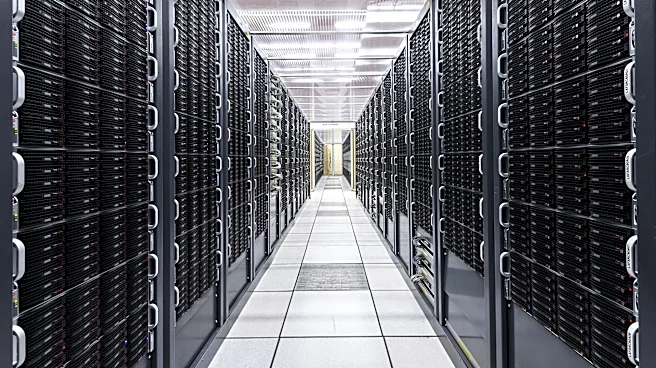
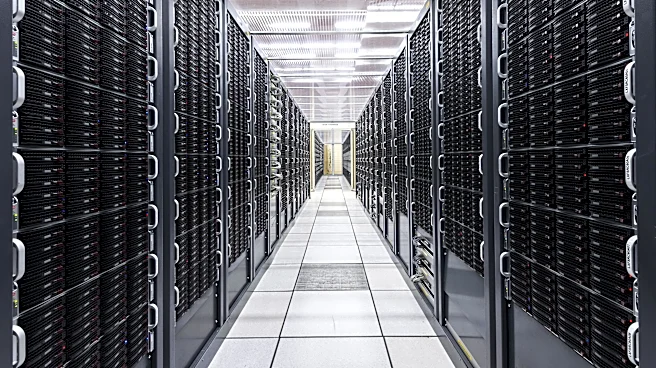
The Minneapolis City Council has voted to implement new restrictions on data centers, requiring larger facilities to purchase renewable power. The 7-6 vote mandates that new data centers must be located within existing downtown buildings. Facilities can
use up to 50,000 square feet for servers, but this limit extends to 150,000 square feet if the operator commits to buying renewable power for all electricity consumption. The ordinance also stipulates that each new data center project will require individual council approval. This measure has been sent to Mayor Jacob Frey for approval, with the city's current moratorium on new data centers set to expire on November 21, 2026.
Why It's Important?
This ordinance is a significant step for Minneapolis in addressing the environmental impact of data centers, particularly their high energy consumption. By mandating renewable power for larger facilities, the city aims to promote sustainable development and reduce its carbon footprint. This move could influence other U.S. cities to adopt similar green energy requirements for data centers, potentially accelerating the transition to renewable energy in the tech sector. However, the requirement for individual council approval for each project has raised concerns among some, who argue it could create bureaucratic hurdles and deter investment. The decision reflects a growing tension between economic development, urban revitalization, and environmental sustainability in city planning.
What's Next?
The ordinance now awaits Mayor Jacob Frey's decision. While Mayor Frey has supported allowing data centers under certain conditions, he has expressed reservations about the requirement for individual council approval for each project. If the Mayor vetoes the ordinance, the City Council would need nine votes to override it. Council members are scheduled to meet again on November 20, 2026, to address a possible veto before the current data center moratorium expires on November 21, 2026. The outcome of this process will determine the future regulatory landscape for data centers in Minneapolis and could set a precedent for how cities balance technological growth with environmental responsibility.
Beyond the Headlines
The Minneapolis City Council's decision to link data center size to renewable energy procurement highlights a progressive approach to urban development and climate action. This policy could serve as a model for other municipalities seeking to attract tech investment while adhering to environmental goals. The debate also touches upon the broader economic implications of such mandates, with some arguing that they could increase operational costs for businesses and potentially drive investment elsewhere. Conversely, proponents believe that such policies foster innovation in green technology and create a more sustainable urban economy. The long-term success of this ordinance will depend on its ability to attract responsible development while achieving its environmental objectives.