








What's Happening?
The hospitality industry is increasingly focusing on personalization as a key driver of revenue growth and guest loyalty. In 2026, the expectation for personalized experiences has become essential, reshaping how hotels operate. Personalization is no longer
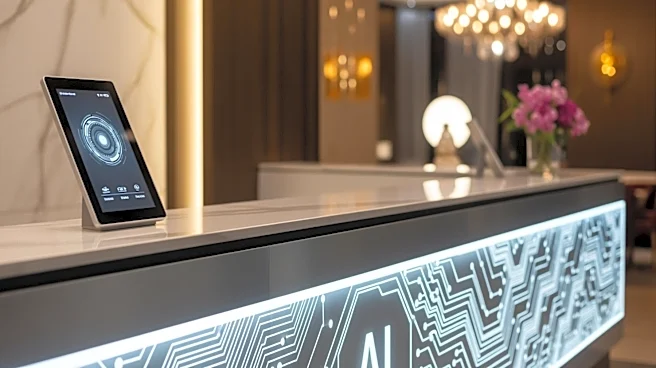
just a 'nice-to-have' feature but a strategic asset that influences guest bookings, spending, and return visits. Hotels that invest in understanding their guests and providing connected experiences are seeing tangible results, such as higher conversion rates and increased spending per stay. The use of AI-powered systems allows hotels to offer value-based services that feel relevant to guests, enhancing their overall experience.
Why It's Important?
The shift towards personalization in the hospitality industry has significant implications for business growth and customer satisfaction. By aligning guest expectations with hotel offerings, personalization helps build trust and loyalty, which are crucial for long-term success. This approach not only increases revenue through repeat visits and higher spending but also encourages guests to recommend the brand to others. As the industry evolves, hotels that effectively implement personalization strategies will likely outperform competitors who do not prioritize guest experience. The integration of AI and connected data systems is essential for delivering consistent and meaningful personalization, making it a critical component of modern hospitality management.
What's Next?
As personalization becomes more ingrained in the hospitality industry, hotels will continue to refine their strategies to meet evolving guest expectations. The use of advanced technologies, such as AI and data analytics, will play a crucial role in enhancing personalization efforts. Hotels may also explore new ways to integrate personalization into every stage of the guest journey, from pre-booking to post-stay communication. The focus will be on creating seamless and memorable experiences that resonate with guests, ultimately driving loyalty and revenue growth. Industry leaders will likely continue to invest in technology and training to ensure their staff can deliver personalized services effectively.