




What's Happening?
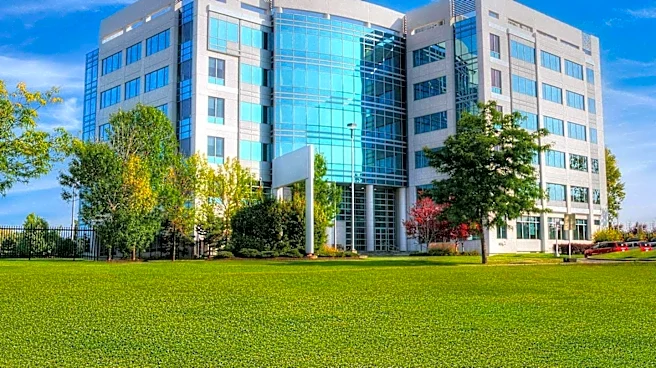
Florida-based real estate investor Jamie Rand, through his Downtown Revival Trust, has acquired two additional office buildings in downtown St. Paul: 375 Jackson Street and 135 5th Street. This purchase makes Rand the largest private commercial property
owner in the area, adding to his existing ownership of the First National Bank Building and the Great Northern Building. The transaction for these two connected, multi-tenant office buildings, totaling 27,000 square feet, took approximately 45 days to complete. Rand's strategy focuses on the revitalization of downtown St. Paul, and he is collaborating with St. Paul Mayor Kaohly Her, the St. Paul Chamber of Commerce, and the St. Paul Downtown Alliance. While a 2024 study by the St. Paul Downtown Alliance identified these properties as potential conversions from office to residential space, Rand's immediate plan is to maintain them as office buildings, aiming to stabilize assets and increase occupancy levels. He expressed a preference for renovating existing structures rather than demolition and new construction, emphasizing the preservation of historic value.
Why It's Important?
Jamie Rand's continued investment signifies a growing confidence in the economic future of downtown St. Paul. By becoming the largest private commercial property owner, Rand's decisions will significantly influence the area's development trajectory. His focus on retaining office space, at least initially, suggests a belief in the long-term viability of commercial activity in the city center, potentially counteracting trends of office vacancies seen in other urban areas. This investment could attract further private capital and businesses, fostering job creation and economic growth. The collaboration with city officials and local business organizations indicates a coordinated effort towards urban renewal, which could lead to improved infrastructure, increased amenities, and a more vibrant downtown environment. The preservation of historic buildings, as stated by Rand, also contributes to maintaining the city's unique character and cultural heritage, which can be a draw for both residents and businesses.
What's Next?
Jamie Rand's Downtown Revival Trust plans to work with existing tenants while evaluating building operations, leasing opportunities, and capital improvements for the newly acquired properties. Rand has indicated that he has more potential downtown purchases in progress, though he has not disclosed specific buildings. His approach involves taking small steps, focusing on improving the exteriors and creating a comfortable, safe atmosphere. While his current plan is to keep the properties as office spaces, he views residential conversion as a 'plan B' if stabilization efforts prove challenging. The success of his strategy to increase occupancy and revitalize these assets will be closely watched by city stakeholders and potential investors. Continued collaboration with Mayor Her, the St. Paul Chamber of Commerce, and the St. Paul Downtown Alliance will be crucial in aligning private investment with broader city revitalization goals. The long-term impact will depend on whether these initial investments stimulate a broader wave of development and attract more people and businesses back to downtown St. Paul.
Beyond the Headlines
Rand's investment strategy in St. Paul reflects a broader national trend of private investors targeting urban cores for revitalization, often in partnership with local governments. This approach highlights the complex interplay between private capital, public policy, and community development. The decision to prioritize the renovation and stabilization of existing office buildings, rather than immediate residential conversion, could set a precedent for how other cities address underutilized commercial real estate. It also raises questions about the balance between preserving historical architecture and adapting to evolving urban needs, such as the demand for more residential units downtown. The success of this initiative could serve as a model for other mid-sized U.S. cities grappling with similar challenges of downtown decline and the need for economic rejuvenation. Conversely, if the efforts do not yield the desired results, it could underscore the inherent difficulties in transforming urban landscapes, even with significant private investment and public support.