






What's Happening?
The U.S. import duty calculation involves several components beyond the basic duty rate. For goods entering the U.S., the import duty is determined by multiplying the customs value by the duty rate specified in the Harmonized Tariff Schedule (HTS) line.
For example, men's cotton T-shirts (HTS 6109.10.00) carry a 16.5% duty rate. In addition to this, entries exceeding $2,500 are subject to a Merchandise Processing Fee (MPF) of 0.3464% of the customs value, with a minimum of $34.58 and a maximum of $670.86. Ocean freight shipments also incur a 0.125% Harbor Maintenance Fee (HMF). The customs value is typically the price paid to the supplier, excluding international freight and insurance. The HTS code, a 10-digit number, classifies products and determines their duty rate, with the first six digits being internationally recognized.
Why It's Important?
Understanding the detailed calculation of U.S. import duties is crucial for businesses involved in international trade, as these fees directly impact the landed cost of goods and, consequently, profit margins. The various fees, such as MPF and HMF, can significantly add to the overall cost, especially for high-value or ocean-shipped goods. This complexity necessitates careful planning and accurate product classification to avoid unexpected expenses. For consumers, these duties and fees are often embedded in the retail price of imported goods, contributing to the overall cost of products available in the U.S. market. The system also highlights the importance of trade agreements, which can offer lower 'Special' rates and sometimes waive the MPF, providing a competitive advantage for goods from qualifying countries.
What's Next?
Businesses will continue to navigate these complex tariff structures, potentially seeking ways to optimize their supply chains and sourcing to minimize duty costs. This could involve exploring trade agreements or adjusting product classifications where legally permissible. The ongoing evolution of trade policies, including potential changes to Section 301 tariffs on goods from China or Section 232 tariffs on steel and aluminum, will require continuous monitoring by importers. The responsibility for accurate HTS classification rests with the importer, emphasizing the need for expert advice from customs brokers or binding rulings from CBP to ensure compliance and avoid penalties. The impact of these duties on consumer prices will likely remain a factor in retail strategies and consumer purchasing decisions.
Beyond the Headlines
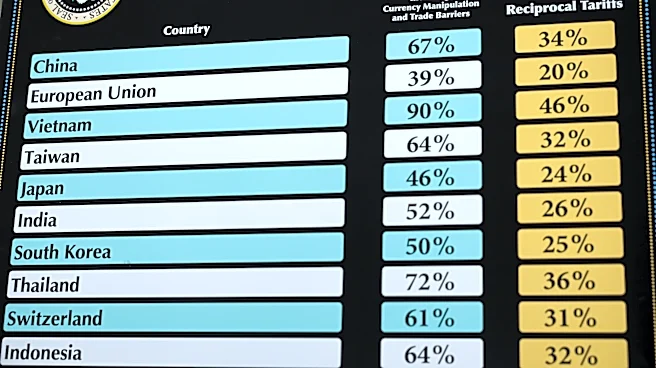
The intricate system of import duties and fees reflects the broader economic and political landscape of international trade. Beyond mere taxation, these tariffs can serve as tools for protecting domestic industries, influencing trade balances, and even exerting geopolitical pressure. The existence of 'extra tariffs' like Section 301 and Section 232 highlights the dynamic nature of trade policy, which can change based on economic conditions or political objectives. The detailed breakdown of fees also underscores the administrative burden and regulatory environment faced by businesses engaged in global commerce. This system, while designed to generate revenue and regulate imports, can also inadvertently create barriers to entry for smaller businesses and contribute to inflationary pressures on consumer goods.