





What's Happening?
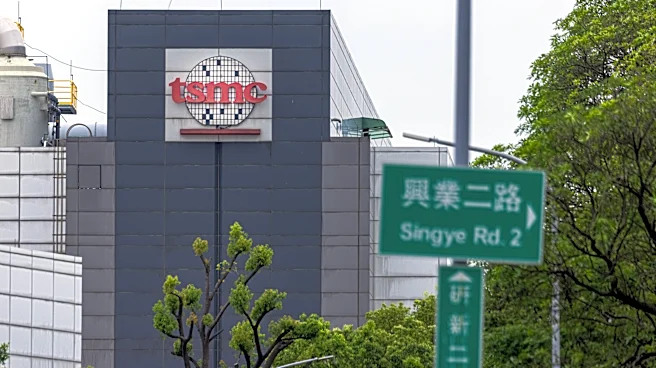
Taiwan Semiconductor Manufacturing Co. (TSMC) has confirmed filing an application for a property tax abatement in Texas for a proposed project. This move is part of TSMC's ongoing evaluation of potential investments in the U.S. state, aiming to keep local
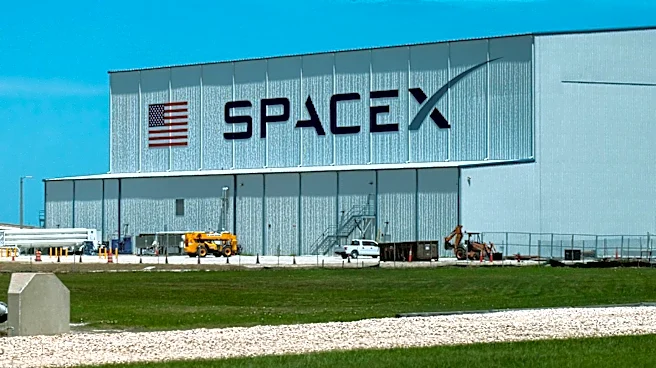
authorities informed. According to Reuters, the tax abatement is a critical factor in TSMC's potential $22.6 billion investment in a new chip manufacturing facility in Brazos County, Texas. The proposed plant would utilize TSMC's advanced 2-nanometer (2nm) process or more advanced technologies to produce chips for artificial intelligence (AI), high-performance computing, and mobile devices. The facility is projected to create up to 2,099 direct jobs over the next 40 years. TSMC Chairman and CEO C.C. Wei previously stated that the company is considering expanding its U.S. production capacity beyond Arizona, with Texas being a possible location. The company is also evaluating a potential collaboration with Elon Musk's Terafab project in Texas, emphasizing that any fabrication plant involved would be operated by TSMC to maintain production control.
Why It's Important?
TSMC's potential $22.6 billion investment in Texas signifies a major expansion of advanced semiconductor manufacturing capabilities within the United States. This move aligns with broader U.S. efforts to strengthen domestic chip production and reduce reliance on overseas supply chains, particularly for critical technologies like AI and high-performance computing. The establishment of a 2nm facility would bring cutting-edge chip manufacturing to the U.S., enhancing national technological competitiveness and security. The creation of over 2,000 direct jobs would also provide a significant economic boost to the region. Furthermore, TSMC's consideration of a collaboration with Elon Musk's Terafab project highlights the growing demand for advanced chips from U.S. tech giants and could foster a more integrated domestic semiconductor ecosystem. This investment could also intensify competition within the U.S. semiconductor market, particularly with companies like Samsung, which also has significant investments in Texas.
What's Next?
TSMC's plans for a Texas facility remain under evaluation, with the property tax abatement being a key deciding factor. The company will continue discussions with local authorities as it assesses the feasibility and strategic benefits of the investment. If approved, the project would likely proceed with detailed planning and construction phases, potentially leading to a significant increase in U.S. semiconductor output. The development of TSMC's A14 process, with trial production scheduled for 2027 and mass production in 2028, indicates a continuous push for more advanced technologies that could eventually be deployed in future U.S. facilities. The outcome of TSMC's evaluation will also influence the competitive landscape in the U.S. for advanced chip manufacturing, potentially prompting other industry players to adjust their investment strategies.
Beyond the Headlines
This potential investment by TSMC in Texas extends beyond mere economic expansion; it represents a strategic realignment in the global semiconductor industry. The U.S. government's push for domestic chip production, driven by national security concerns and supply chain resilience, is clearly influencing major players like TSMC. The proximity of the proposed TSMC facility to Elon Musk's Terafab project suggests a potential for synergistic development, creating a powerful hub for AI and advanced computing chip innovation in Texas. This could lead to a concentration of talent, research, and development in the region, fostering a robust ecosystem. The move also underscores the increasing geopolitical pressures on semiconductor companies, as they navigate U.S. export controls and seek to secure market share in critical technology sectors. The long-term implications include a more diversified global semiconductor supply chain, but also heightened competition and strategic maneuvering among leading chip manufacturers.