







What's Happening?
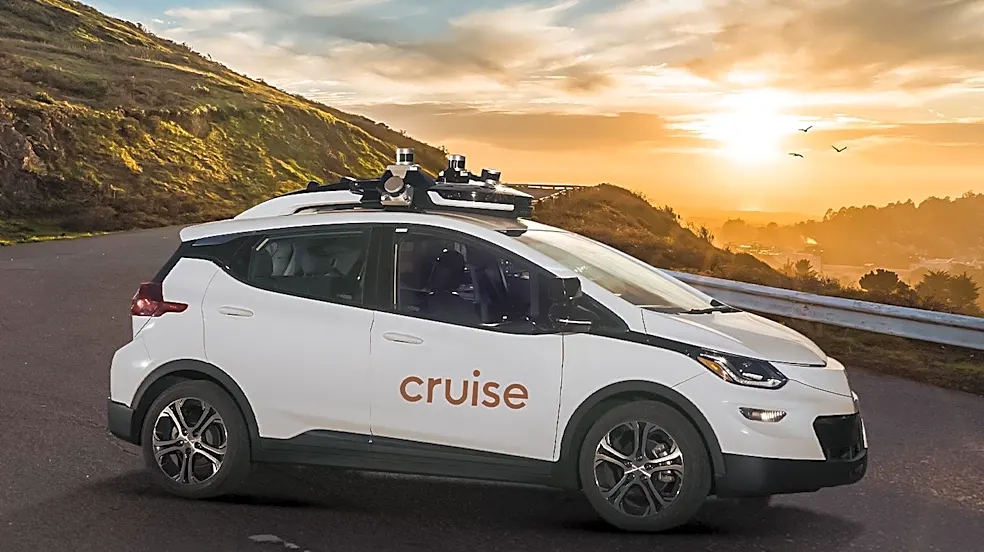
General Motors (GM) has announced an ambitious plan to introduce fully autonomous vehicles capable of running errands without a human occupant, a concept they've dubbed 'Mission Mode.' This initiative was revealed to a New York City audience, outlining
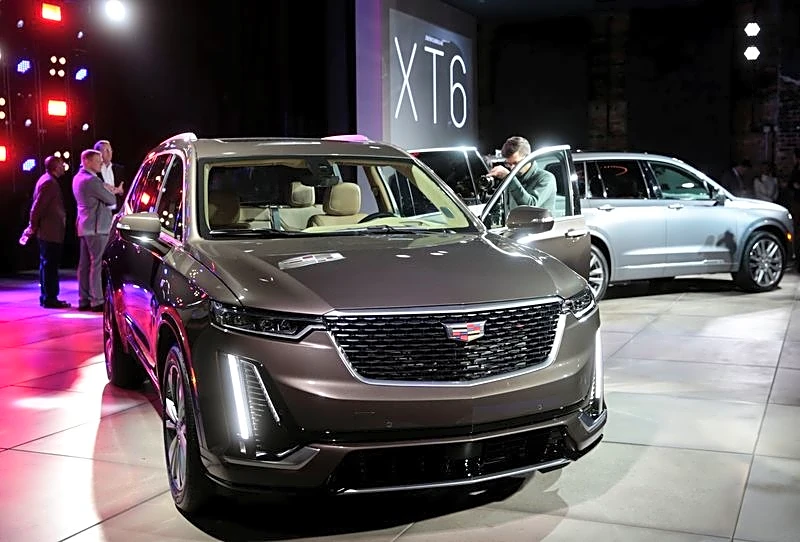
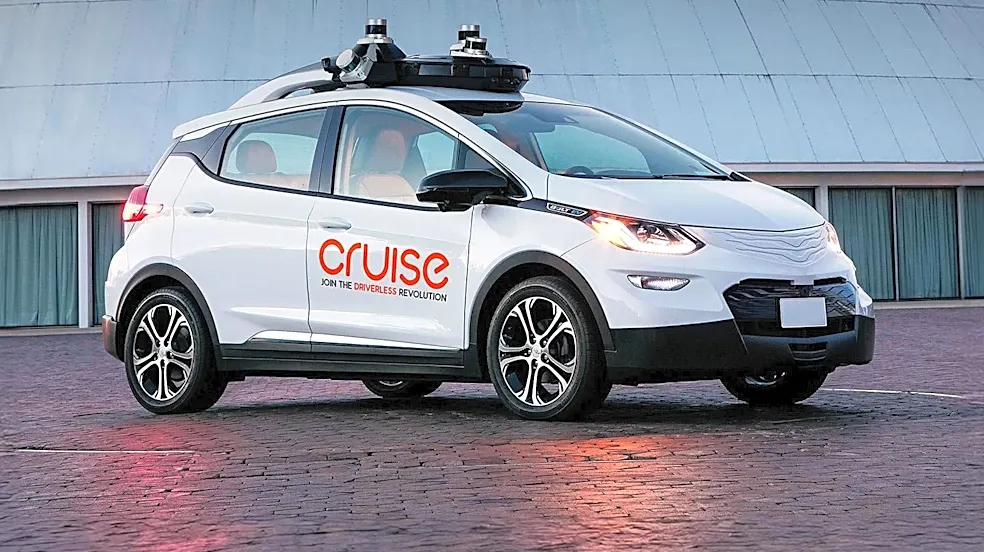
a future where vehicles can navigate surface streets, parking lots, and drive-throughs independently. The near-term roadmap includes a refreshed Cadillac Escalade IQ by 2028, featuring 'eyes-off' highway driving, allowing occupants to engage in other activities while the vehicle handles traffic. GM's Chief Product Officer, Sterling Anderson, clarified that the company is not pursuing SAE Level 3 autonomy, which requires a human fallback driver, but is instead aiming to leap directly to a system that requires no human attention at all, and eventually, no human presence in the car. This strategy bypasses the 'murky middle ground' of conditional automation, which Anderson described as a 'dead end.'
Why It's Important?
This announcement signifies a significant shift in the automotive industry's approach to autonomous driving, potentially disrupting traditional transportation models and consumer behavior. If successful, 'Mission Mode' could redefine vehicle ownership, transforming cars from mere transportation to personal assistants capable of performing tasks like grocery runs or dry cleaning pickups. This could create new service economies and alter urban planning, as the need for personal parking might decrease in some contexts. GM's strategy, which leverages over 1.2 billion hands-free miles logged by its Super Cruise system and billions of virtual miles in simulation, positions the company as a frontrunner in advanced autonomous technology. The move could also intensify competition among automakers, pushing others to accelerate their own driverless initiatives. However, the economic implications, including potential subscription models or hardware costs, remain unaddressed, indicating the early stages of this revolutionary concept.
What's Next?
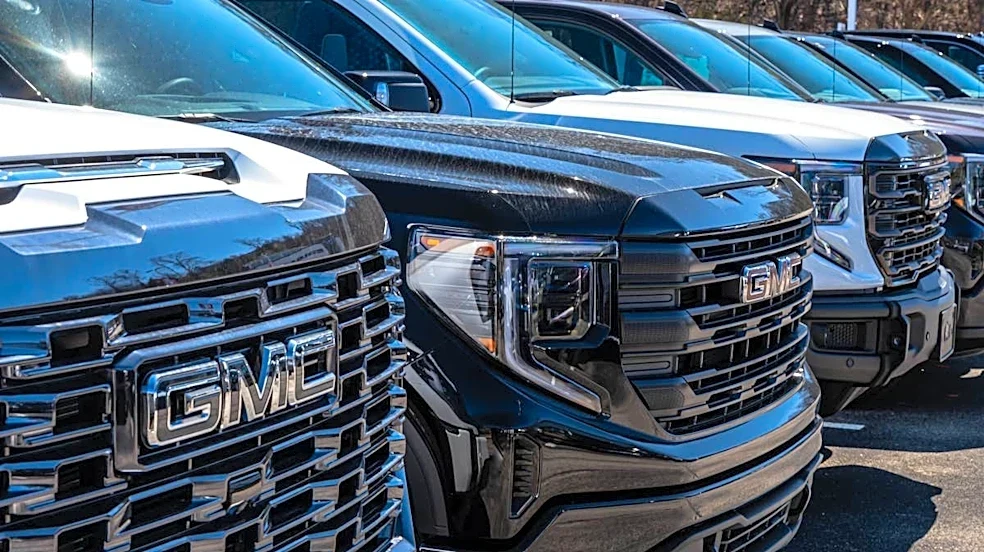
The immediate next step for GM involves the introduction of the refreshed Cadillac Escalade IQ in 2028, which will feature advanced 'eyes-off' highway driving capabilities. Following this, GM plans to integrate this technology into its high-margin, high-volume gas-powered full-size trucks and SUVs. The long-term vision of 'Mission Mode' will require significant advancements in regulatory approval across all 50 U.S. states, addressing complex issues such as insurance liability and accountability in the event of accidents involving unoccupied vehicles. The company will also need to clarify the economic model for these services, including pricing structures and hardware requirements. The success of 'Mission Mode' will depend on public acceptance, robust technological development, and the ability to navigate a complex legal and ethical landscape, particularly concerning the responsibility for driverless operations.
Beyond the Headlines
The concept of 'Mission Mode' raises profound ethical and societal questions beyond the immediate technological and economic implications. The idea of vehicles operating without human supervision challenges traditional notions of control, responsibility, and even the role of humans in daily tasks. Legal frameworks will need to evolve rapidly to address liability in accidents involving unoccupied autonomous vehicles, potentially shifting responsibility from individual drivers to manufacturers or software providers. Culturally, the widespread adoption of such technology could lead to a re-evaluation of personal privacy, as vehicles collect and transmit data about their movements and activities. Furthermore, the potential for job displacement in sectors like delivery and transportation could trigger significant societal adjustments. The long-term shift could be towards a more integrated, automated urban environment, where personal mobility and service delivery are fundamentally transformed, prompting discussions about the balance between convenience, safety, and human agency.