


What's Happening?
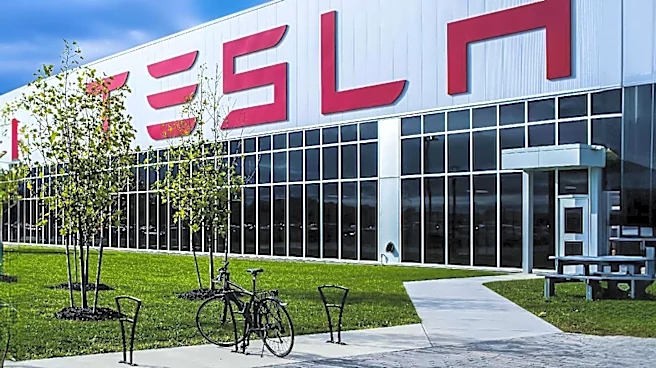
Tesla is actively recruiting a Technical Sourcer for its Terafab project in Palo Alto, California. This role is crucial for building a vertically integrated semiconductor factory on an unprecedented scale. The Technical Sourcer will be responsible for developing
and executing search strategies to identify top engineering talent globally, moving beyond traditional recruitment methods. The ideal candidate will utilize a comprehensive sourcing toolkit to build robust engineering pipelines for both immediate and future hiring needs. This position requires strong working relationships with recruiters, business leaders, and hiring managers, as well as an expert understanding of recruiting processes in a dynamic environment. The Technical Sourcer will also educate hiring teams on market trends and compensation analysis, while prioritizing a positive candidate experience. Tesla is seeking individuals with at least two years of in-house or agency sourcing experience, a fast-paced problem-solving approach, and technical curiosity to build new tools and processes.
Why It's Important?
The recruitment for a Technical Sourcer for Tesla's Terafab project underscores the company's ambitious plans to significantly expand its in-house semiconductor manufacturing capabilities. By building a 'vertically integrated semiconductor factory,' Tesla aims to gain greater control over its supply chain, reduce reliance on external suppliers, and potentially innovate faster in areas critical to its electric vehicles and energy products. This move could have substantial implications for the automotive and semiconductor industries, as Tesla's increased self-sufficiency in chip production could set a precedent for other manufacturers. The successful establishment of Terafab could lead to more optimized and specialized chips tailored to Tesla's specific needs, potentially enhancing vehicle performance, efficiency, and autonomous driving capabilities. Furthermore, it signifies a strategic investment in advanced manufacturing within the U.S., contributing to domestic technological independence and job creation in high-tech sectors.
What's Next?
The immediate next step for Tesla is to successfully fill the Technical Sourcer position, which is critical for attracting the specialized engineering talent required to build and operate the Terafab factory. Once this role and other key positions are filled, Tesla will proceed with the development and scaling of its semiconductor manufacturing operations. The company's ability to attract top-tier engineers globally will be a key determinant of Terafab's success. As the factory becomes operational, it is expected to begin producing custom semiconductors for Tesla's various product lines. This could lead to a reduction in external chip procurement and potentially influence pricing and availability of components in the broader market. The progress of Terafab will be closely watched by competitors and industry analysts as it represents a significant vertical integration effort by a major technology and automotive company.
Beyond the Headlines
Tesla's investment in a vertically integrated semiconductor factory like Terafab represents a broader trend among major technology companies to bring critical manufacturing processes in-house. This strategy is driven by a desire for greater supply chain resilience, intellectual property control, and the ability to innovate at a faster pace without external dependencies. The 'Terafab' concept itself suggests a massive scale of production, indicating Tesla's long-term vision for its hardware ecosystem. This move could also have geopolitical implications, as it contributes to the reshoring of semiconductor manufacturing, a sector deemed strategically vital for national security and economic competitiveness. The success of Terafab could inspire other U.S. companies to invest more heavily in domestic high-tech manufacturing, potentially reshaping global supply chains and fostering a new era of industrial self-reliance.