





What's Happening?
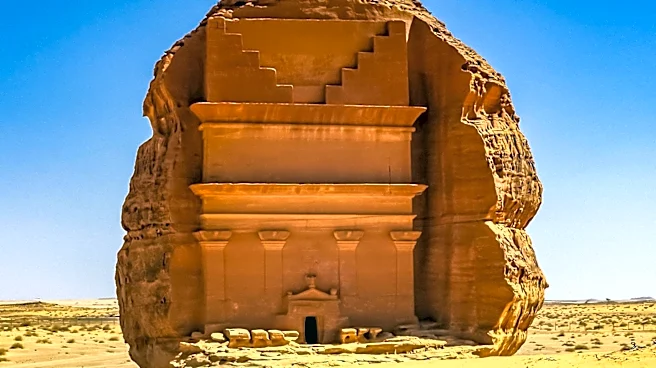
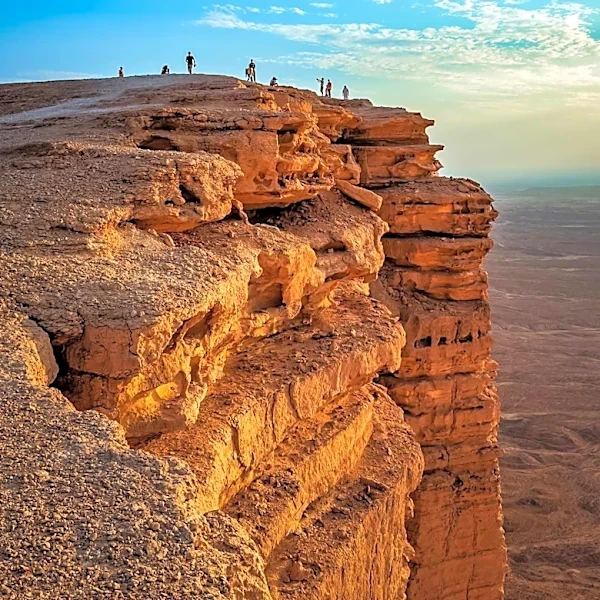
Saudi Arabia is expanding its wellness tourism offerings with new digital detox retreats in natural settings, including AlUla, Aseer, and Yanbu. These retreats, organized by Motnfs, aim to provide participants with a breathing space away from the constant
noise of city life and digital notifications. The programs are designed to promote mental clarity, physical balance, human connection, and environmental sustainability. Trips typically last three days for groups of ten or fewer, with shorter experiences available in Riyadh, Aseer, and AlUla. A key component of these retreats is the mandatory disconnection from screens, with the impact on participants measured before and after the experience. The initiatives are licensed by the Ministry of Tourism and have received positive feedback from over 600 participants.
Why It's Important?
The introduction of digital detox wellness retreats in Saudi Arabia signifies a strategic move to diversify its tourism sector beyond traditional attractions. This initiative taps into a growing global demand for experiences that promote mental well-being and disconnection from technology. By leveraging its unique natural landscapes, such as the historical AlUla, the mountainous Aseer, and the coastal Yanbu, Saudi Arabia is positioning itself as a destination for holistic health and rejuvenation. This development can attract a new segment of international and domestic tourists seeking mindful travel experiences, contributing to economic growth and job creation in the tourism industry. It also aligns with broader national goals of enhancing quality of life and promoting sustainable tourism practices.
What's Next?
The success of these initial wellness retreats is likely to lead to further expansion of similar programs across Saudi Arabia. Motnfs and other operators may introduce more diverse retreat themes, longer durations, and specialized offerings catering to different demographics, such as corporate wellness programs. There could be increased investment in infrastructure supporting wellness tourism, including eco-lodges and specialized facilities in natural reserves. The Ministry of Tourism may also develop new policies and incentives to encourage the growth of this sector, potentially leading to partnerships with international wellness brands. Continued monitoring of participant outcomes and feedback will be crucial for refining and enhancing future retreat experiences.
Beyond the Headlines
Beyond the immediate economic and tourism benefits, the rise of digital detox retreats in Saudi Arabia reflects a broader societal recognition of the impact of constant digital connectivity on mental health. These programs encourage a re-evaluation of our relationship with technology and promote a return to nature and human interaction. Culturally, it signifies a modern interpretation of traditional values that emphasize contemplation and connection with the environment. The focus on sustainability within these retreats also highlights a growing environmental consciousness. This trend could influence public health initiatives, encouraging more widespread adoption of digital well-being practices and fostering a greater appreciation for Saudi Arabia's natural heritage among its citizens and visitors alike.