






What's Happening?
A new research topic, 'Green entrepreneurship and waste management: strategies and policies for future sustainable and circular economy - Volume II,' has been launched. This initiative focuses on the intersection of entrepreneurship and waste management within
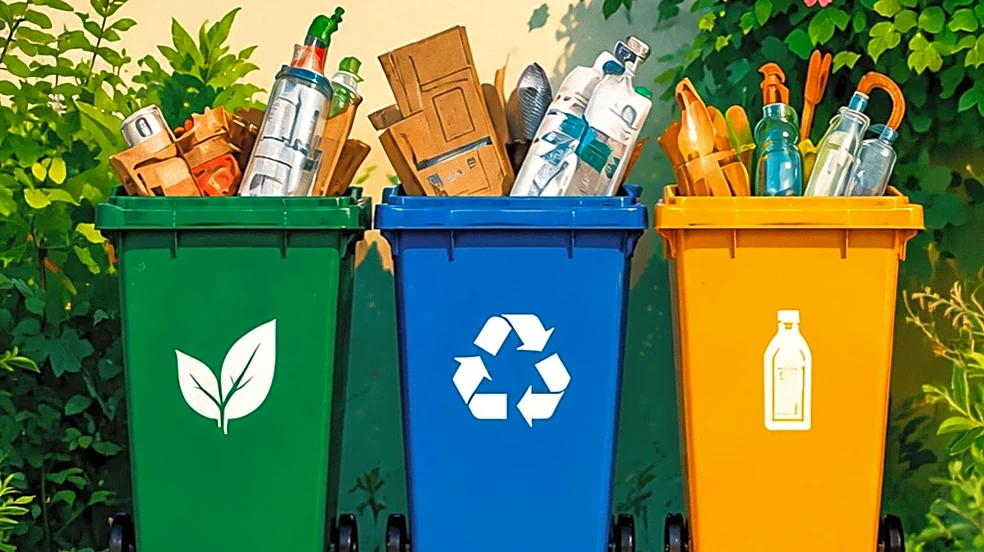
a sustainable and circular economy framework. The research aims to bridge environmental goals with economic growth by promoting practices that extend the lifecycle of resources through reuse, recycling, and repair. It emphasizes transforming waste into valuable assets and re-evaluating production processes and business models. The topic seeks to fill a gap in empirical research by investigating the economic aspects of sustainability initiatives and their capacity to bolster a circular economy, particularly from the perspective of individual stakeholders. It encourages studies that dissect the economic underpinnings of sustainability and the role of economic policies in fostering green practices and reducing waste generation.
Why It's Important?
This research topic is important because it addresses the critical need for sustainable development and the transition to a circular economy in the U.S. and globally. By focusing on green entrepreneurship and waste management, it highlights strategies that can reduce reliance on raw material extraction, enhance resource sustainability, and foster resilient economies. The emphasis on economic perspectives and individual stakeholders can provide valuable insights for policymakers and businesses in the U.S. to design and implement effective green policies. Successful integration of these practices can lead to reduced environmental impact, lower waste disposal costs, and the creation of new economic opportunities in recycling and resource recovery. This shift can also improve Environmental, Social, and Governance (ESG) metrics for U.S. companies, attracting responsible investments and enhancing brand reputation.
What's Next?
The research topic is actively seeking contributions, including brief research reports, community case studies, conceptual analyses, and empirical studies. The goal is to explore various aspects such as value capture models, green entrepreneurship and innovation theory, case studies on achieving climate neutrality and zero waste, sustainable design and behavior, and green policy frameworks. The findings from this research are expected to inform the development of more effective waste management strategies and policies. Future steps will likely involve the publication of these studies, which could then be used by U.S. businesses, government agencies, and non-profit organizations to implement more sustainable practices. The insights gained could also influence consumer behavior towards sustainability and drive further innovation in circular economy applications.
Beyond the Headlines
The initiative delves into the deeper implications of transitioning to a circular economy, highlighting the necessity of cross-disciplinary approaches that combine behavioral and environmental economics. This suggests a recognition that successful waste management and sustainable practices are not solely technological or policy challenges, but also involve understanding human behavior and economic incentives. The focus on 'value capture models' and 'markets for secondary materials' points to the potential for significant economic restructuring, where waste is no longer seen as a liability but as a valuable input for new industries. This could lead to the emergence of new business models and job creation in the U.S., particularly in sectors related to recycling, repair, and sustainable manufacturing. The ethical dimension lies in promoting responsible consumption and production, ensuring that economic growth is decoupled from environmental degradation.