







What's Happening?
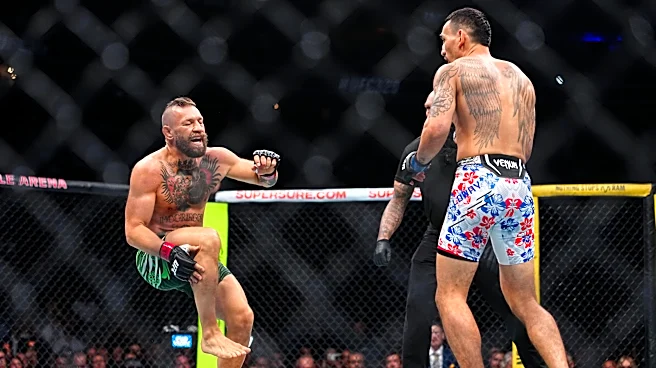
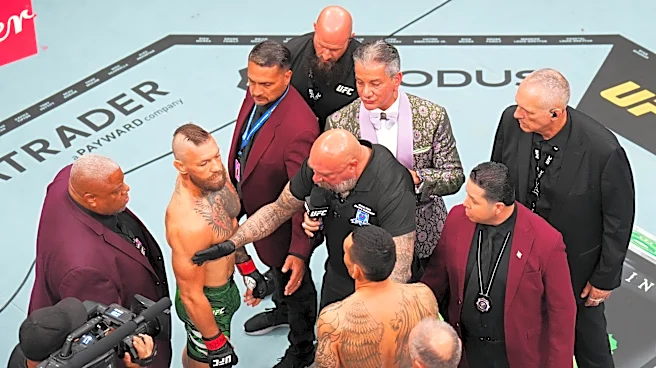
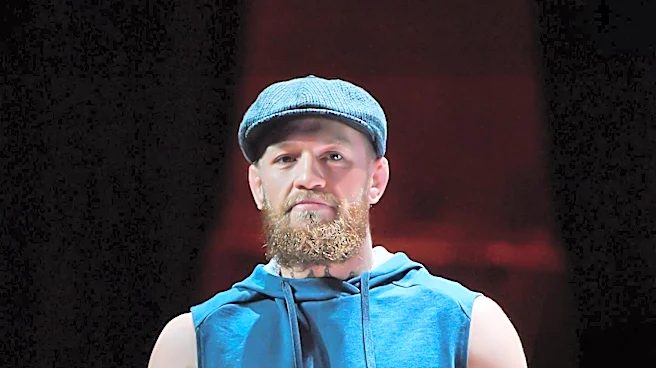
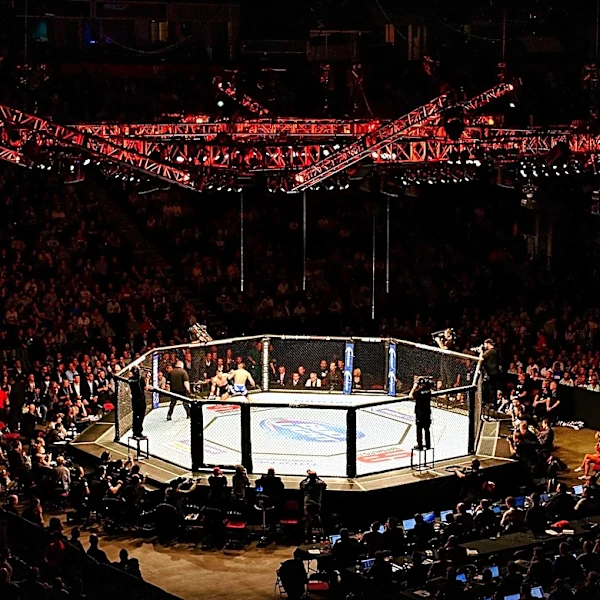
Conor McGregor, the renowned mixed martial artist, has announced that he will undergo surgery following an injury sustained during his fight at UFC 329. The event took place at the T-Mobile Arena, where McGregor faced off against Max Holloway. The fight was
McGregor's return to the Octagon after a five-year hiatus. However, it ended abruptly just 69 seconds into the match due to a knee injury McGregor suffered in the opening seconds. The injury was severe enough that referee Mike Beltran had to stop the fight. McGregor later took to social media to express his frustration and describe the injury as a significant setback, stating that it felt like 'hell.'
Why It's Important?
This development is significant for several reasons. Firstly, McGregor's return to the UFC was highly anticipated, and his injury is a major disappointment for fans and the sport. The injury and subsequent surgery could impact McGregor's future in mixed martial arts, potentially delaying any further matches or affecting his performance. Additionally, McGregor is a major draw for the UFC, and his absence could influence viewership and revenue for upcoming events. The situation also highlights the physical risks associated with combat sports and the potential for career-altering injuries.
What's Next?
Following the announcement of his surgery, McGregor's recovery timeline and return to the Octagon remain uncertain. The UFC and McGregor's team will likely provide updates on his condition and potential return dates. Fans and stakeholders in the sport will be closely monitoring his recovery process. The UFC may also need to adjust its event planning and marketing strategies in light of McGregor's absence, potentially focusing on other fighters to maintain audience interest.