




What's Happening?
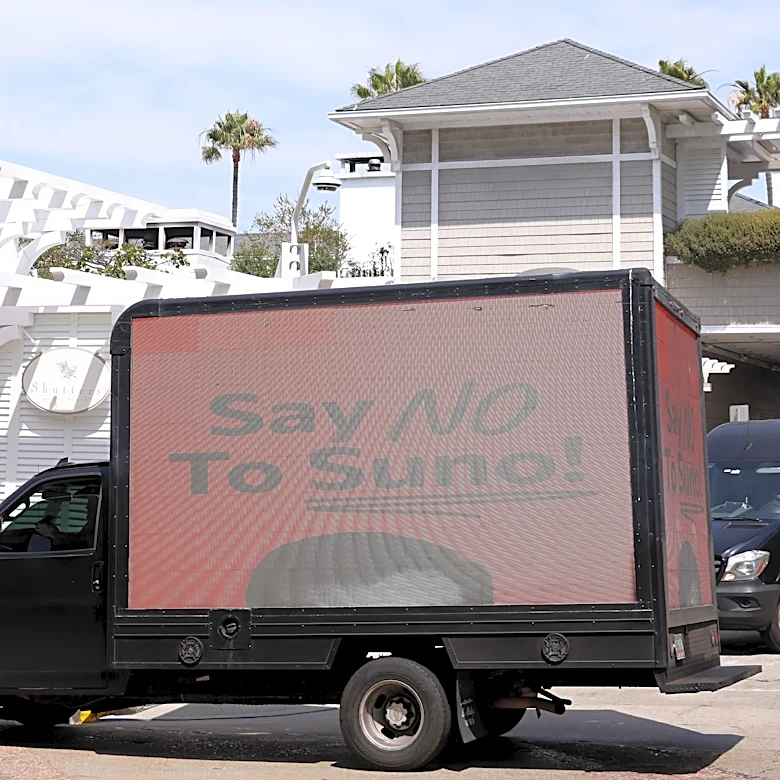
Suno, an AI music generation company, is facing a lawsuit from musicians, including six-time Grammy winner Jason Isbell, alleging that the platform violates their right of publicity by allowing users to generate music using their names. The lawsuit, filed
in the U.S. District Court for the District of Massachusetts, seeks class-action status, potentially encompassing thousands of musicians. Unlike previous AI-related lawsuits that focused on copyright infringement, this case centers on the commercial use of artists' names and identities without consent. The musicians claim that Suno's AI model is trained to index musicians by name and create 'identity-evocative output' on command. Suno has filed a motion to dismiss, arguing that using an artist's name to describe a musical style is a common practice and protected by the First Amendment, comparing it to human musicians describing influences. The company also states that while users can input artist names, the system converts them into style descriptions rather than directly feeding the names to the model.
Why It's Important?
This lawsuit is significant because it tests a novel legal theory concerning the right of publicity in the context of AI-generated content, moving beyond traditional copyright disputes. If the musicians prevail, it could establish a precedent that reshapes how AI companies handle artist names and identities, potentially requiring them to obtain consent or implement more robust safeguards. This could impact the development and commercialization of AI music generation platforms, forcing them to re-evaluate their training data and user interaction models. For artists, a favorable ruling could strengthen their control over their personal brand and commercial likeness in the digital age, providing a new avenue for protection against unauthorized use by AI. Conversely, if Suno's arguments about common musical discourse and First Amendment protection are upheld, it could limit the scope of publicity rights in the AI domain, potentially allowing AI platforms more leeway in how they interpret and utilize artistic styles associated with specific individuals.
What's Next?
The court has not yet ruled on Suno's motion to dismiss, and no hearing date has been reported. The musicians are expected to file their opposition, where they will need to articulate why typing an artist's name into Suno's platform differs from a producer requesting a specific musical 'vibe.' The outcome of this motion will be a critical juncture in the case, determining whether the lawsuit proceeds to discovery and potentially a trial. Regardless of the immediate ruling, this case is poised to influence the ongoing legal discourse surrounding AI and intellectual property, particularly in creative industries. It will likely prompt other AI music platforms and content generators to closely monitor the proceedings and potentially adjust their practices to mitigate similar legal challenges in the future, especially concerning the use of personal identities and styles.
Beyond the Headlines
The lawsuit highlights a deeper tension between technological innovation and individual rights in the age of AI. It raises fundamental questions about what constitutes a 'genre' versus an 'identity' and how the law should adapt to new forms of creative expression and commercialization. The musicians' claim that Suno's platform is designed to 'identify musicians by name and generate identity-evocative output on command' suggests a concern that AI is not merely mimicking styles but actively leveraging an artist's established persona for commercial gain without compensation or permission. This case could contribute to a broader re-evaluation of how 'likeness laws' apply to digital and AI-generated content, potentially leading to new legal frameworks or interpretations that address the unique challenges posed by advanced AI systems capable of replicating or evoking human creativity and identity.