
What's Happening?
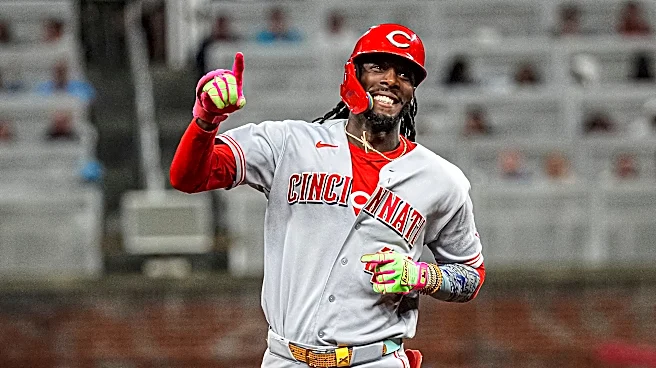
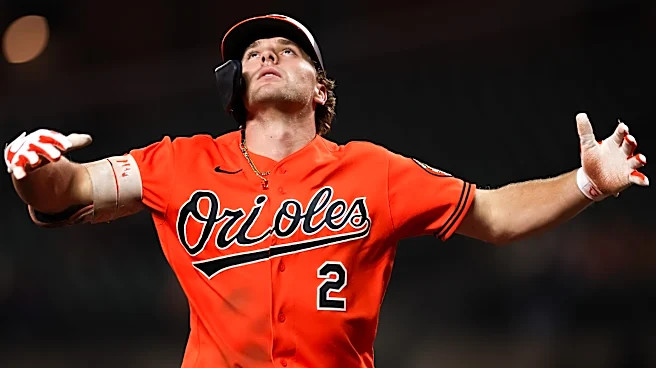
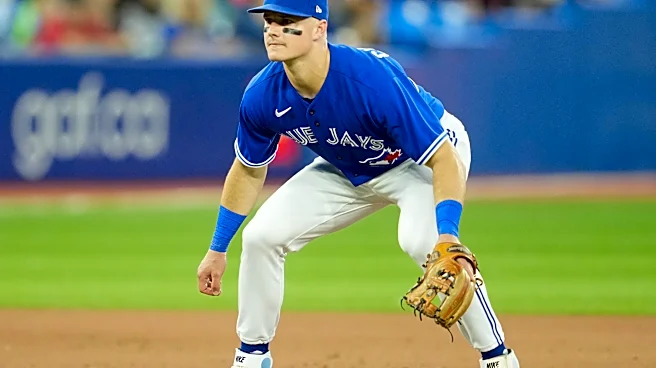
A Toronto Blue Jays analyst, Avery Chenier of The Gate 14 Podcast, has proposed a trade sending catcher Brandon Valenzuela to the Cincinnati Reds in exchange for utility hitter Spencer Steer. This one-for-one
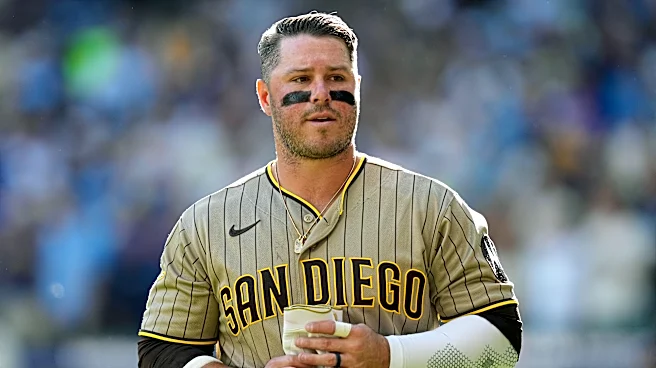
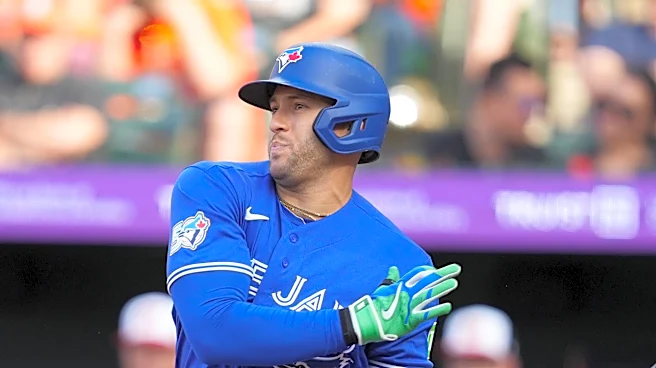
swap aims to address the Blue Jays' need for offensive power and the Reds' catching situation. Chenier described Steer as a versatile right-handed batter capable of playing second base and the outfield. The Blue Jays currently have Alejandro Kirk under contract as their primary catcher, making Valenzuela a potential trade candidate to fill other roster needs. Valenzuela, a Gold Glove Award finalist in his rookie season, is recognized for his strong defensive skills, including nine Defensive Runs Saved in over 618 innings. Steer, 29, hit .238 with 16 home runs and 40 RBIs in 98 games last season, with a history of hitting 20 or more home runs in three of his five major league seasons. While this proposal has been discussed among fans, it is not an official team proposal, and reports indicate the Blue Jays highly value Valenzuela.
Why It's Important?
This proposed trade highlights a strategic dilemma for the Toronto Blue Jays: balancing a surplus of talent in one position (catcher) with a need for offensive versatility and power. For the Blue Jays, acquiring Spencer Steer would provide a right-handed bat with positional flexibility, potentially improving their offensive output, especially against left-handed pitching. This could be crucial for a team looking to enhance its competitiveness. For the Cincinnati Reds, the trade would address an uncertain catching situation, particularly with Tyler Stephenson entering free agency, by bringing in a starting-caliber defensive catcher in Brandon Valenzuela. However, the importance of Valenzuela's elite defensive skills to the Blue Jays, especially given that Alejandro Kirk played only 79 games last season, presents a counter-argument. Trading a top defensive catcher for a utility bat could be seen as a significant risk, potentially weakening a key aspect of the team's performance.
What's Next?
The proposed trade remains a speculative discussion among analysts and fans, not an official team proposal. The Blue Jays' general manager, Ross Atkins, will need to weigh the team's current roster strengths and weaknesses, particularly the depth at catcher and the need for offensive production. If the Blue Jays decide to pursue a trade involving Valenzuela, they would likely seek a return that significantly addresses their roster needs, potentially beyond a utility bat, as suggested by some analysts. The Cincinnati Reds, facing an uncertain catching situation, will also be evaluating their options as Tyler Stephenson's free agency approaches. Any official trade discussions would involve complex negotiations, considering player valuations, contract situations, and long-term team strategies for both organizations.
Beyond the Headlines
The discussion surrounding this trade proposal underscores a broader trend in professional sports where teams must constantly evaluate their roster for areas of surplus and deficiency. The concept of trading a highly-regarded defensive player for an offensive utility player reflects a strategic choice between prioritizing run prevention versus run creation. This decision can have long-term implications for team chemistry, fan perception, and overall competitive strategy. Furthermore, the debate highlights the role of analytics and podcast commentary in shaping public discourse around team management and player value. The Blue Jays' reported high valuation of Valenzuela, despite having Kirk, suggests a strategic depth-building approach, where even 'surplus' talent is seen as a valuable asset, either for future performance or as a high-value trade chip for a more significant return.