





What's Happening?
Gardeners are being advised to collect flower seeds in August, as many annuals and perennials reach the end of their growing season and produce abundant seeds. This practice offers a cost-effective and sustainable way to grow new plants for the following
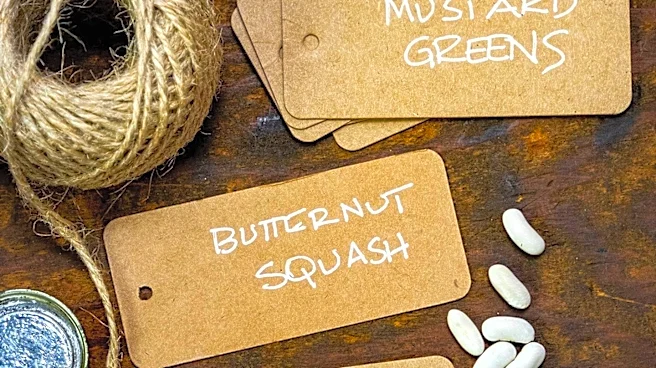
year, while also reducing packaging waste and emissions associated with purchasing new seeds. Experts recommend collecting seeds from healthy, long-blooming plants with strong forms to ensure the best genetic material for future generations. Specific flowers highlighted for August collection include Cosmos, Calendula, Zinnia, Sunflowers, Nigella (Love-in-a-Mist), and Sweet Peas. Key steps for successful collection involve waiting until seed heads are dry and brown, often after the morning dew has dried or a few rain-free days. For storage, breathable containers like small paper envelopes are preferred over plastic, and seeds should be kept in a cool, dry, and dark place over winter to maintain viability. Proper labeling with plant name, collection date, and observations about the parent plant is also crucial for organization.
Why It's Important?
This practice holds significant importance for U.S. gardeners, promoting self-sufficiency and economic savings in a popular hobby. By collecting seeds, individuals can reduce their annual gardening expenses, making gardening more accessible and sustainable. The emphasis on reducing packaging waste aligns with growing environmental consciousness and supports eco-friendly practices within the home and garden. Furthermore, saving seeds from the healthiest plants allows gardeners to selectively breed for desirable traits, potentially leading to more robust and beautiful future gardens adapted to local conditions. This activity also fosters a deeper connection to the plant life cycle and encourages a more hands-on approach to horticulture. For communities, sharing collected seeds can strengthen local gardening networks and promote biodiversity, as unique or heirloom varieties are preserved and propagated.
What's Next?
Gardeners across the U.S. are expected to engage in seed collection activities throughout August, focusing on the recommended flower varieties. This will likely lead to increased interest in seed-saving techniques and the purchase of appropriate storage materials like paper envelopes and seed storage boxes. Online forums and local gardening clubs may see a rise in discussions and workshops dedicated to seed collection and storage. In the spring of the following year, these collected seeds will be sown, resulting in new plants and potentially a more diverse and resilient home garden landscape. The success of these efforts could further popularize seed saving, influencing gardening product markets and educational offerings. There may also be a subtle shift towards valuing plant resilience and adaptability over purely aesthetic considerations in gardening choices.
Beyond the Headlines
The act of collecting and saving seeds transcends mere gardening, touching upon themes of heritage, resilience, and the cyclical nature of life. It connects individuals to ancient agricultural practices and fosters a sense of continuity and stewardship over natural resources. In an era of increasing concern over genetic diversity and food security, seed saving empowers individuals to contribute to the preservation of plant varieties, some of which might be less common commercially. This practice can also be a powerful educational tool, teaching children about botany, ecology, and the importance of sustainability. The simple act of saving a seed embodies hope for the future, a tangible investment in the next growing season, and a quiet rebellion against a purely consumer-driven approach to nature.