



What's Happening?
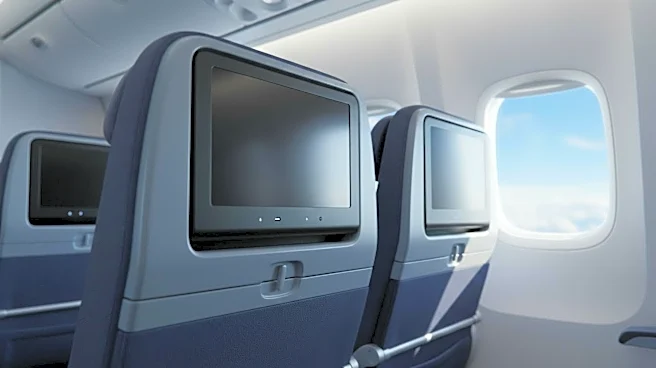
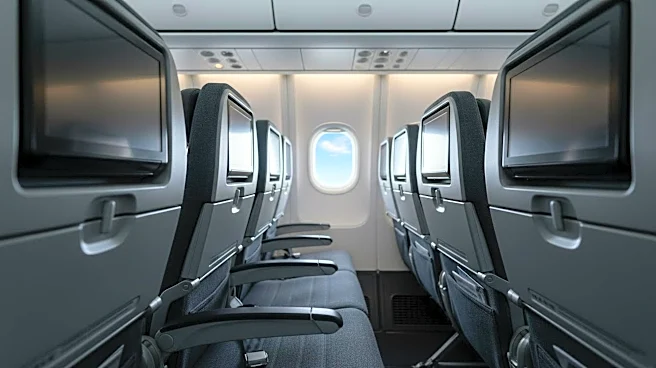
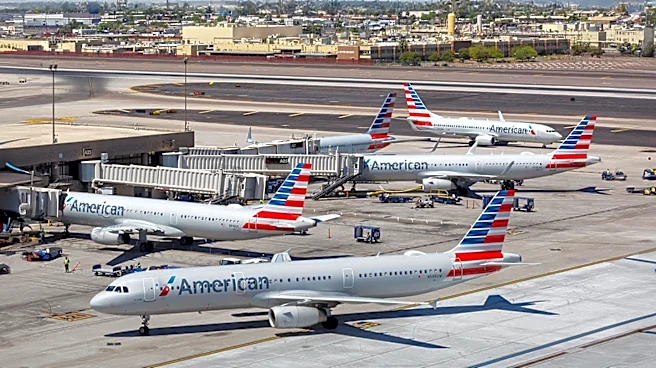
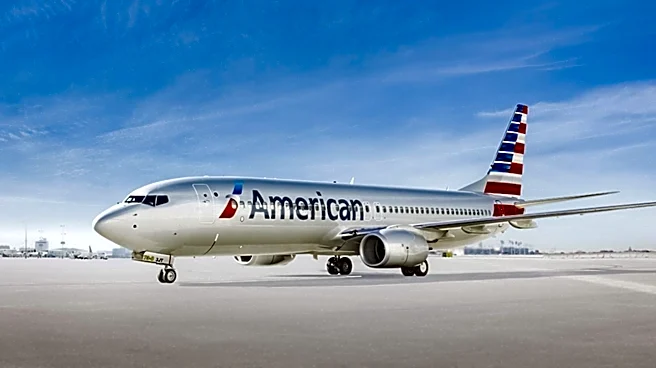
American Airlines has announced plans to reintroduce seatback screens on the majority of its narrow-body aircraft fleet, with installations beginning in 2028. This decision marks a significant reversal from the airline's previous stance, which deemed
the screens not cost-effective or worth the additional weight. The airline had debated this move for several months before making the announcement. Heather Garboden, American's chief customer officer, stated that advancements in technology played a crucial role in this change of heart, noting that the technology has significantly improved since the airline's initial decision over a decade ago. The exact cost of this initiative to American Airlines has not been disclosed.
Why It's Important?
This move by American Airlines is important for the U.S. airline industry and air travel experience. For passengers, it signifies a return to a more traditional in-flight entertainment offering, potentially enhancing comfort and satisfaction on domestic flights, which are typically served by narrow-body aircraft. This could influence passenger choice, as airlines increasingly compete on amenities. For American Airlines, it represents an investment in customer experience that could help it compete with other carriers that already offer or are expanding similar in-flight entertainment options. The decision also highlights the evolving role of technology in the airline industry, where continuous innovation can lead to reconsiderations of previously dismissed features. The financial implications, though undisclosed, will be substantial, reflecting a long-term strategic investment in passenger services.
What's Next?
American Airlines will proceed with the implementation of seatback screens across most of its narrow-body fleet, with the rollout expected to commence in 2028. This will involve significant logistical planning, including procurement of new technology, installation schedules, and potential adjustments to aircraft interiors. Other airlines in the U.S. market will likely monitor the impact of this decision on American Airlines' customer satisfaction and market share. Competitors may feel pressure to upgrade their own in-flight entertainment systems or introduce similar features to remain competitive. The airline will also need to manage the integration of this new technology with its existing operational systems and ensure a smooth transition for both passengers and crew.
Beyond the Headlines
The reintroduction of seatback screens by American Airlines reflects a broader trend in the travel industry where customer experience is becoming a key differentiator. In an era dominated by personal electronic devices, the airline's decision suggests a recognition that dedicated in-flight entertainment still holds value for passengers, offering a consistent and reliable experience without relying on personal device battery life or data plans. This could also signal a shift in how airlines perceive the balance between weight-saving measures and passenger amenities. Furthermore, it underscores the rapid pace of technological advancement, where what was once considered too costly or inefficient can become viable and even desirable within a decade, influencing long-term strategic planning in capital-intensive industries like aviation.