









What's Happening?
Maple Leaf Foods has announced its plan to cease operations at its Seattle, Washington facility within the next 12 to 18 months. This decision will impact the production of the company's high-quality, plant-based brands, which are exclusively manufactured
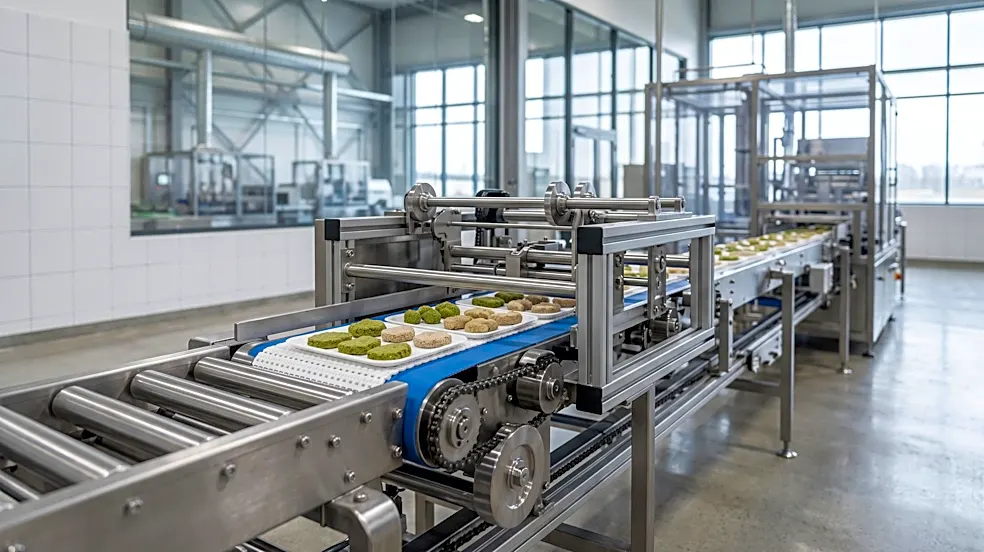
at this location. The company is currently seeking a Production Planner for the Seattle plant, with the understanding that employment in this role will be time-limited due to the impending closure. Eligible employees who remain actively employed through the facility’s final operating date may qualify for retention and separation benefits under a company-sponsored program. The Seattle facility is dedicated to producing plant-based products, aligning with Maple Leaf Foods' mission to promote better nutrition and sustainability. The company emphasizes its carbon-neutral status and commitment to food safety and quality management in its operations.
Why It's Important?
The closure of Maple Leaf Foods' Seattle plant signifies a strategic shift for the company, potentially impacting the availability and distribution of its plant-based products in the U.S. market. For the local economy in Seattle, the closure will result in job losses, affecting employees who have contributed to the production of these specialized food items. The company's offer of retention and separation benefits aims to mitigate the immediate financial impact on its workforce, but the long-term effects on individual careers and the local job market remain a concern. This move also highlights the dynamic nature of the food manufacturing industry, where companies continuously evaluate their operational footprint to optimize efficiency and align with broader business strategies. The focus on plant-based products at the Seattle facility underscores the growing consumer demand in this sector, making the closure a notable event within the broader food industry landscape.
What's Next?
In the immediate future, Maple Leaf Foods will continue its operations at the Seattle plant for the next 12 to 18 months, during which time it will manage the transition and eventual cessation of production. The company will likely focus on fulfilling existing orders and gradually winding down manufacturing activities. Employees will need to consider their options, including potential relocation or seeking new employment, while those who remain until the final operating date may receive specified benefits. Maple Leaf Foods will also need to address how it plans to continue producing its plant-based brands, either by shifting production to other facilities or by adjusting its product portfolio. The company's commitment to sustainability and carbon neutrality will likely remain a core aspect of its business strategy, even as it undergoes this operational change.
Beyond the Headlines
The decision by Maple Leaf Foods to close its Seattle plant could reflect broader trends in the food industry, such as consolidation, supply chain optimization, or a re-evaluation of manufacturing costs and market access. While the immediate impact is on the Seattle workforce and local economy, this move might also signal a strategic pivot in how the company approaches its plant-based product line. It raises questions about the long-term viability of dedicated single-product facilities versus more diversified manufacturing hubs. Furthermore, the emphasis on employee retention and separation benefits, while standard practice, underscores the ethical considerations companies face when making such significant operational changes. This situation could also influence future investment decisions in the plant-based food sector, as companies assess the risks and benefits of specialized production facilities.