






What's Happening?
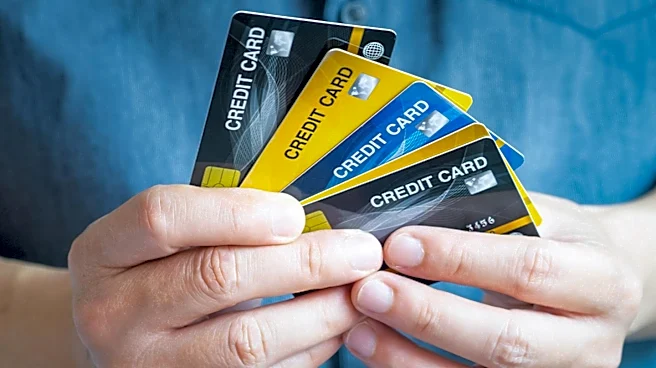
Credit cards provide consumers with the ability to spend money and repay it over time, often with interest, distinguishing them from debit cards which require funds to be present in a bank account. They offer a set credit limit, allowing for purchases
that can be paid back in installments. This financial tool is widely used for its flexibility, enabling large purchases and offering interest-free periods if managed responsibly. Credit cards also provide convenience for various transactions, including in-store, online, and international shopping. Many cards come with additional benefits such as frequent flyer points, cashback, and other rewards. However, the average interest rate for credit cards can be around 20%, making timely payments crucial to avoid accumulating significant debt. Unlike debit cards, credit cards typically offer enhanced fraud protection, safeguarding users against unauthorized transactions.
Why It's Important?
The widespread use of credit cards significantly impacts the U.S. economy and individual financial health. For consumers, credit cards can be a vital tool for managing cash flow, making necessary purchases, and building a credit history, which is essential for securing loans, renting property, and even utility services. The rewards programs associated with many credit cards can also provide tangible benefits, such as travel perks or cash back, incentivizing their use. However, the high average interest rates, around 20%, mean that irresponsible use can lead to substantial debt, affecting consumers' financial stability and credit scores. This dual nature of credit cards—offering both opportunity and risk—makes understanding their mechanics and responsible usage critical for economic stakeholders, including individuals, financial institutions, and regulatory bodies. The fraud protection offered by credit cards also plays a crucial role in consumer confidence and the security of digital transactions.
What's Next?
Consumers considering a credit card should carefully evaluate various options, focusing on factors like annual fees, interest rates, and available rewards. For those new to credit or looking to rebuild their credit history, starter credit cards, including secured, unsecured, student, and hybrid debit-credit cards, offer different pathways. It is advisable to look for cards with low or no annual fees and to understand the annual percentage rates (APRs), which can be higher for starter cards. Crucially, maintaining a positive payment history by paying off balances on time is the most significant factor in building a strong credit score. Setting up auto-payments or reminders can help ensure timely payments. Additionally, keeping credit utilization low, ideally below 30% of the total credit limit, is recommended to positively impact credit scores. Consumers should also regularly check their credit reports for errors and dispute any inaccuracies.
Beyond the Headlines
Beyond their immediate financial utility, credit cards play a deeper role in shaping consumer behavior and financial literacy. The allure of rewards and the convenience of deferred payment can sometimes lead to overspending, highlighting the psychological aspects of credit usage. The industry continually evolves with new types of cards and features, such as credit builder cards designed for those with limited or poor credit, and hybrid debit-credit cards that blend features of both. This evolution reflects ongoing efforts to balance accessibility with responsible lending. The ethical implications of high-interest rates and the potential for debt accumulation are ongoing concerns, prompting discussions around consumer protection and financial education. Ultimately, a credit card is not just a payment tool but a gateway to broader financial opportunities, contingent on disciplined management and a clear understanding of its terms and conditions.