








What's Happening?
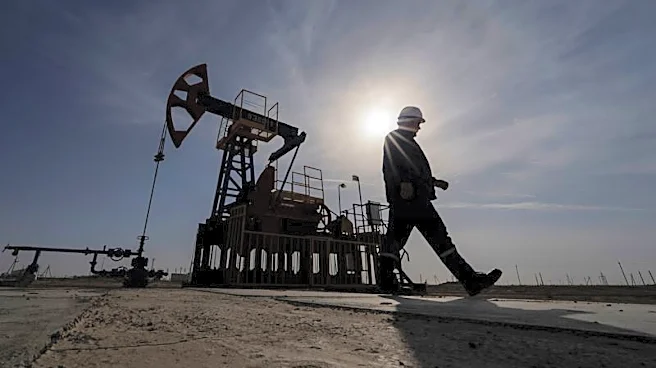
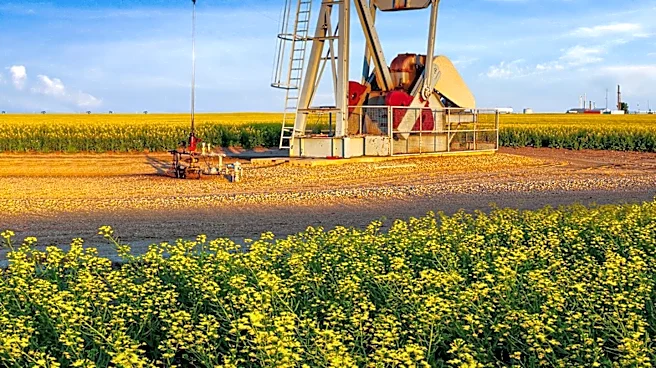
Governments worldwide are planning to purchase millions of barrels of oil through 2028 to replenish emergency reserves depleted by recent conflicts, notably the U.S.-Israeli war on Iran. This move is expected to absorb some of the anticipated global supply
surplus following OPEC+'s decision to increase output. The International Energy Agency (IEA) coordinated a record 400 million-barrel release after disruptions in the Strait of Hormuz led to a spike in crude prices. Replenishing these reserves could add significant demand, potentially stabilizing prices. The U.S. is set to begin receiving oil back under exchange agreements, aiming to restore strategic reserves to pre-war levels.
Why It's Important?
The strategic replenishment of oil reserves is crucial for maintaining energy security and stabilizing global oil markets. By absorbing excess supply, these purchases could prevent a sharp decline in oil prices, which would impact oil-producing countries and industries. The move also underscores the importance of strategic reserves in mitigating supply disruptions caused by geopolitical conflicts. For the U.S., rebuilding reserves without additional government spending highlights a strategic approach to energy security. This development could influence global oil prices and impact energy policies in other countries.
What's Next?
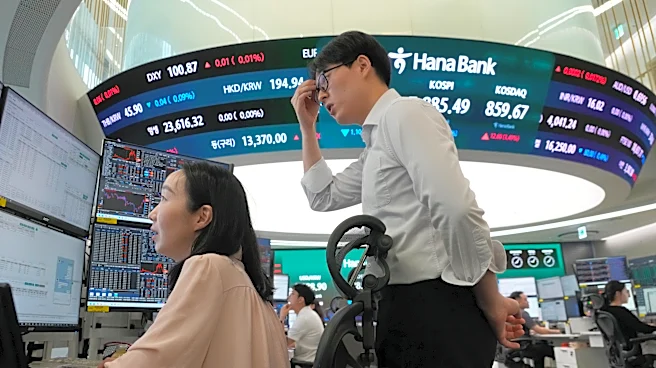
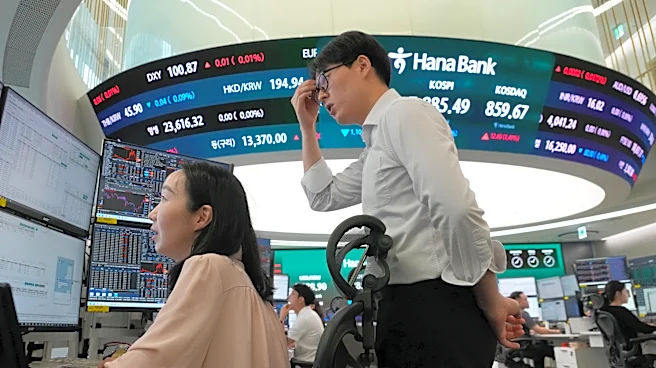
As countries work to replenish their reserves, the demand for crude oil is expected to rise, potentially leading to higher prices. The U.S. may replenish its reserves faster due to exchange agreements, while other countries like Japan and South Korea may take a more gradual approach. The ongoing geopolitical tensions and potential for further conflicts could continue to influence oil markets. Additionally, countries may explore expanding storage capacities and diversifying energy sources to enhance energy security. The global energy landscape will likely see shifts as nations adapt to these challenges.