









What's Happening?
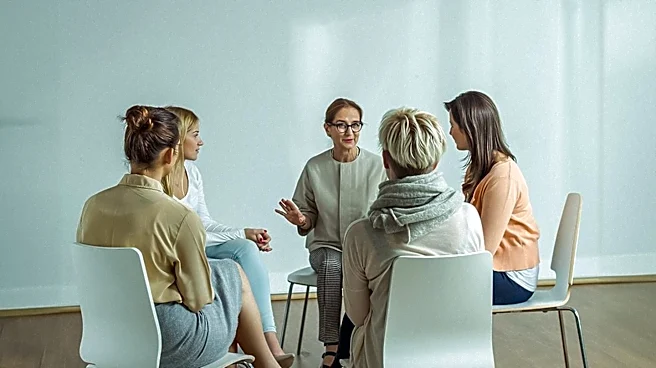
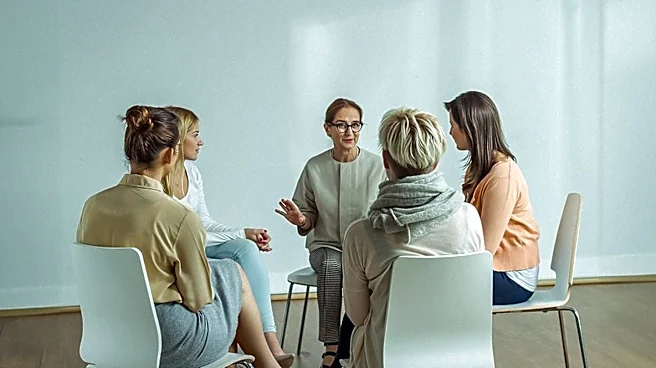
Mental health support groups are providing significant benefits for older adults and their family caregivers, helping them navigate the challenges of aging and caregiving. These groups create communities where individuals can share experiences, offer
advice, and receive validation, fostering a sense of not being alone. SRG Senior Living highlights that while support groups offer mental and emotional support, they are not a substitute for clinical talk therapy. Groups can be peer-led, guided by individuals with lived experience, or clinician-led, facilitated by mental health professionals. Community and social support are vital for seniors, as isolation and loneliness are linked to health problems like cognitive decline, depression, and heart disease. For caregivers, these groups help in recognizing and coping with burnout symptoms and provide access to valuable resources.
Why It's Important?
The aging U.S. population faces increasing mental health challenges, often compounded by social isolation and the demands of caregiving. Mental health support groups address these issues by providing a critical social safety net, fostering community, and offering practical and emotional support. For older adults, these groups combat loneliness, which is a significant risk factor for various health problems, thereby improving their overall well-being and quality of life. For caregivers, who often experience high levels of stress and burnout, these groups offer a vital outlet for sharing burdens and learning coping strategies, ultimately supporting their ability to provide care sustainably. This initiative is crucial for maintaining the health and resilience of both seniors and their caregivers, impacting public health and social support systems across the nation.
What's Next?
The demand for mental health support groups for older adults and caregivers is likely to grow as the population ages. Future developments may include increased funding and resources for establishing and sustaining these groups, potentially through partnerships between senior living communities, healthcare providers, and non-profit organizations. There may also be a greater emphasis on integrating these support groups into broader mental health care plans, ensuring they complement clinical therapy. The expansion of virtual support groups will continue to enhance accessibility, particularly for those in remote areas or with mobility limitations. Additionally, training programs for peer leaders and clinicians facilitating these groups may become more standardized to ensure high-quality support.
Beyond the Headlines
The role of mental health support groups extends beyond immediate emotional relief, touching upon deeper societal values of community, empathy, and mutual aid. These groups challenge the individualistic approach to mental health by emphasizing collective healing and shared experience. For older adults, participating in these groups can restore a sense of purpose and belonging, counteracting ageism and social marginalization. For caregivers, the groups validate their often-unseen labor and provide a platform for advocacy and resource sharing. This communal approach to mental wellness highlights the importance of social connections as a fundamental determinant of health, suggesting a cultural shift towards recognizing and valuing interdependent relationships in promoting well-being across all life stages.