





What's Happening?
Amazon's scheduled launch of 36 Amazon Leo internet satellites on an Arianespace Ariane 6 rocket has been postponed due to a technical issue affecting the rocket's ground support systems. The launch was initially set for Monday, November 23, from Europe's
Spaceport in Kourou, French Guiana. Arianespace confirmed that the countdown was halted before the removal of the mobile gantry, ensuring the rocket and its satellite payload remain safe and stable. Technical teams are currently assessing the issue, and the next launch opportunity will be no earlier than Tuesday, November 24. This postponement follows the loss of 40 Amazon Leo satellites on November 15, when a United Launch Alliance (ULA) Vulcan Centaur rocket experienced a problem shortly after liftoff. Amazon Leo, formerly Project Kuiper, aims to deploy a constellation of over 3,200 satellites to provide global broadband internet service, competing with SpaceX's Starlink.
Why It's Important?
The postponement of Amazon's Ariane 6 launch for its Leo internet satellites is significant for the U.S. commercial space industry and Amazon's ambitious broadband constellation plans. Following the recent loss of 40 satellites on a ULA Vulcan Centaur rocket, this delay adds further pressure on Amazon to meet its deployment timelines and regulatory requirements. The reliability of launch services is a critical bottleneck for satellite internet providers, and repeated issues can impact investor confidence and market competitiveness. For U.S. companies like Amazon, ensuring a consistent and successful launch cadence is essential to compete with rivals like SpaceX, which operates its own launch vehicles. This event highlights the inherent risks and complexities of space launches, underscoring the need for robust ground support systems and thorough pre-launch checks. The delay could also affect Amazon's ability to meet its FCC-mandated deployment milestones, potentially leading to further regulatory scrutiny.
What's Next?
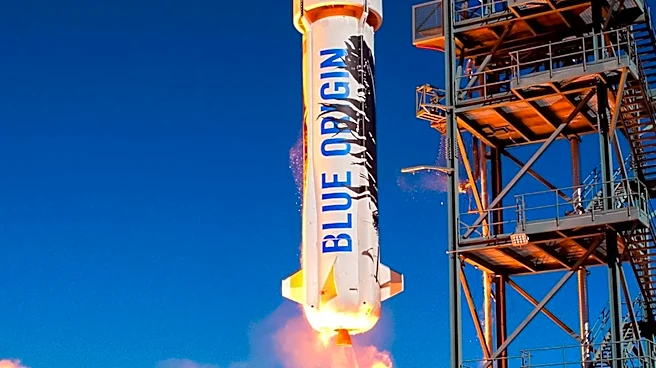
Technical teams are currently assessing the issue with the Ariane 6 rocket's ground support systems, and Arianespace has indicated that the next launch opportunity will be no earlier than Tuesday, November 24. The launch will be streamed live once a new date and time are confirmed. Amazon's Leo constellation, which aims for over 3,200 satellites, currently has only about 400 in orbit. The company has diversified its launch contracts, booking rides on ULA's Atlas V, Blue Origin's New Glenn, and SpaceX's Falcon 9, in addition to Arianespace's Ariane 6. The Vulcan Centaur rocket, which failed on November 15, is currently grounded pending an investigation into its booster performance issues. Blue Origin's New Glenn has also faced setbacks, including a recent explosion during a prelaunch test. These challenges underscore the critical importance of reliable launch access for Amazon to build out its satellite internet service and compete effectively in the rapidly expanding low Earth orbit broadband market.
Beyond the Headlines
The repeated launch setbacks for Amazon's Leo constellation, including this latest postponement and the earlier Vulcan Centaur failure, highlight a deeper systemic challenge in the burgeoning satellite internet industry: the bottleneck of reliable and frequent launch capacity. While companies like Amazon can rapidly manufacture satellites, their deployment is entirely dependent on the availability and success rate of launch providers. This situation raises questions about the long-term sustainability of mega-constellations if launch reliability remains a significant hurdle. Ethically, the environmental impact of frequent rocket launches and the increasing density of objects in low Earth orbit are growing concerns, prompting discussions about space debris and orbital sustainability. Economically, the intense competition in the satellite internet market means that launch delays can translate into significant financial losses and competitive disadvantages. This scenario underscores the need for continued innovation in launch technology, including reusable rockets and alternative launch methods, to ensure the viability and responsible growth of the space economy.