






What's Happening?
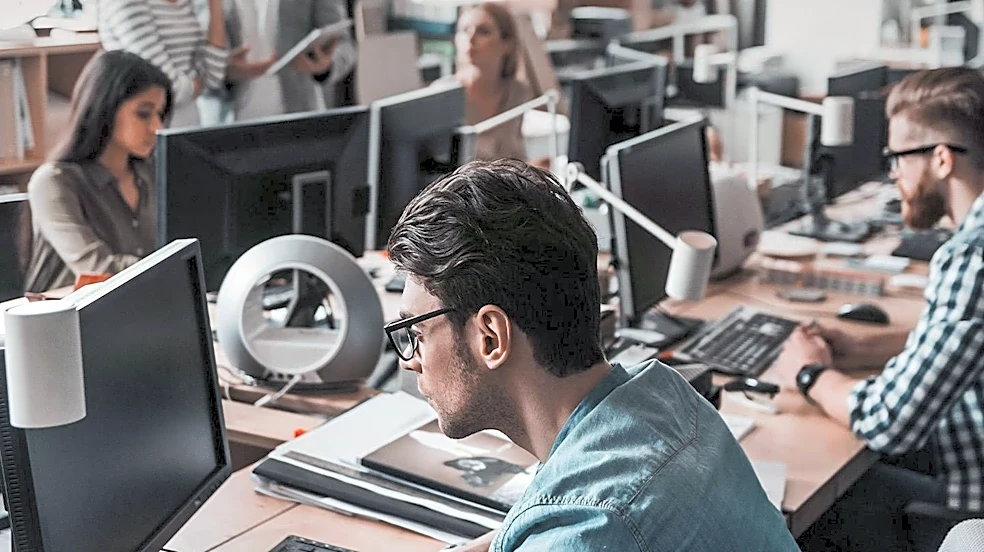
Flexible workspaces are increasingly becoming a vital resource for professionals, freelancers, and content creators across the U.S., offering alternatives to traditional office environments. These spaces provide essential facilities such as suitable lighting,
visually appealing backgrounds, ample room for cameras and microphones, and quiet environments, which are crucial for high-quality content production. Reliable power connections and high-speed internet are also highlighted as important for live streaming and uploading large files. Companies like Croissant in Los Angeles offer memberships for hourly or daily access to coworking spaces, catering to a diverse range of needs from editing content to conducting virtual calls. The demand for such flexible solutions is driven by the need for professional presentation, efficient workflows, and cost control, especially for those who do not require a permanent studio or office.
Why It's Important?
The growing popularity of flexible workspaces signifies a fundamental shift in how work is conducted in the U.S., particularly for the expanding gig and creator economies. These spaces empower independent professionals and small businesses by providing access to infrastructure that would otherwise be prohibitively expensive or difficult to maintain. This trend supports economic agility, allowing individuals to scale their operations without significant capital investment. For content creators, access to professional-grade environments directly impacts the quality and competitiveness of their output, which is crucial in a visually driven digital landscape. The availability of such spaces also fosters a healthier work-life balance for remote workers by creating a distinct professional environment separate from their homes, thereby enhancing productivity and mental well-being.
What's Next?
The market for flexible workspaces is expected to continue its growth trajectory, with providers likely expanding their offerings and geographical reach to meet increasing demand. This could include more specialized spaces tailored to specific creative needs, such as dedicated podcast studios or video editing suites. Technology integration, such as advanced booking systems and smart studio features, will also likely evolve to enhance user experience and operational efficiency. Furthermore, as the lines between traditional employment and independent contracting blur, flexible workspaces may become an even more integral part of the urban and suburban professional landscape, influencing real estate development and urban planning to accommodate these evolving work patterns.
Beyond the Headlines
The proliferation of flexible workspaces has deeper implications for the future of work and urban development. It challenges the traditional corporate office model, potentially leading to a more decentralized and distributed workforce. This shift could reduce commuting times, alleviate urban congestion, and foster local economies by encouraging professionals to work closer to home. Culturally, these spaces often serve as hubs for networking and collaboration, fostering communities among freelancers and entrepreneurs who might otherwise work in isolation. The emphasis on aesthetically pleasing and functional environments also reflects a broader appreciation for design and user experience in professional settings, contributing to a more human-centric approach to workspace creation.