
What's Happening?
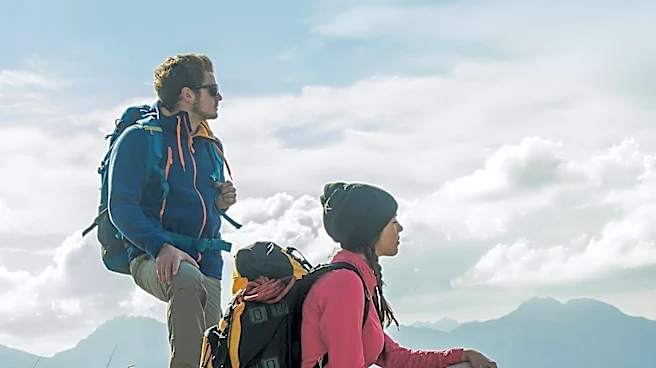
Hiking in Japan, often referred to as 'tozan' or mountain climbing, focuses on reaching mountain peaks, which can range significantly in elevation from 200 meters to over 2,000 meters. The country offers
diverse hiking experiences, from easy trails with ropeways and cable cars to challenging multi-day expeditions. Popular day hikes near Tokyo include Mt. Takao, Mt. Mitake, and Mt. Oyama. Longer hikes, particularly in the Japanese Alps, may require overnight stays in mountain huts or designated campsites. Japanese hikers typically start early, often between 4 and 5 AM for longer routes, aiming to complete their descent by 3 or 4 PM before sunset. The hiking season is nearly year-round, with specific mountains recommended depending on the time of year; for instance, high-elevation mountains like Mt. Fuji are best climbed from mid-July to September due to snow outside this period. Autumn, from late September to mid-November, is also popular for its vibrant fall foliage.
Why It's Important?
The emphasis on reaching mountain peaks in Japanese hiking culture highlights a unique approach to outdoor recreation that could influence international hiking trends and tourism. For U.S. outdoor enthusiasts, understanding these cultural nuances can enrich their travel experiences and potentially introduce new perspectives on trail design and accessibility. The availability of well-maintained mountain huts and public transport access to trailheads in Japan offers a model for sustainable and accessible outdoor activities, which could be relevant for U.S. national parks and recreational areas facing similar challenges. Furthermore, the detailed weather forecasting tools and safety protocols, such as the 'tozan-todoke' (hiking itinerary submission), demonstrate a proactive approach to hiker safety that could inform best practices globally, including in the U.S., where outdoor safety is a continuous concern.
What's Next?
As global interest in outdoor activities continues to grow, the Japanese model of hiking, with its blend of accessibility, cultural significance, and safety measures, could see increased adoption or influence in other countries. U.S. tourism boards and outdoor recreation organizations might explore partnerships or exchanges to learn from Japan's infrastructure and cultural practices, particularly regarding public transportation integration with trailheads and the management of mountain accommodations. The ongoing development of hiking apps and weather forecasting tools, like YAMAP and Tenkura, also suggests a future where technology plays an even greater role in enhancing hiker safety and experience, potentially leading to similar innovations in the U.S. outdoor tech market. Continued international collaboration in outdoor recreation could foster a more standardized approach to trail grading and safety guidelines.
Beyond the Headlines
The deep-rooted cultural connection to mountains in Japan, where hiking is often synonymous with 'mountain climbing,' reflects a profound respect for nature and a pursuit of personal achievement. This contrasts with some Western hiking cultures that might prioritize scenic walks or endurance challenges without necessarily aiming for a summit. The practice of submitting a 'tozan-todoke' and the widespread use of GPS hiking apps like YAMAP underscore a collective responsibility for safety and a community-oriented approach to outdoor activities. This cultural emphasis on preparation and mutual support could offer valuable lessons for fostering a more responsible and interconnected hiking community in the U.S., potentially reducing incidents and enhancing the overall outdoor experience. The integration of onsens (hot springs) as a post-hike tradition also highlights a holistic approach to well-being that combines physical exertion with relaxation and recovery.