






What's Happening?
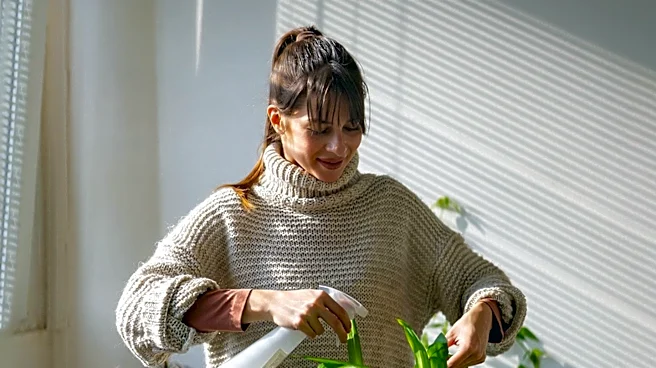
As winter approaches, houseplants require a modified care routine due to reduced daylight, cooler temperatures, and drier indoor air, according to horticulture experts. Mark Sage, a horticulture expert at B&Q, advises moving plants closer to bright windows
but away from cold drafts and radiators, which can cause yellowing leaves or root rot. He also suggests supplementing natural light with plant lights and rotating larger plants daily to ensure even growth. A common mistake is overwatering and overfeeding during winter; plants generally need less water and nutrients as their growth slows. Sage recommends letting the soil dry out between waterings to prevent root rot and ceasing regular feeding after a final dose in late autumn. Additionally, grouping plants together can create a more humid microclimate, beneficial for many tropical houseplants, and regularly wiping dust from leaves helps them absorb limited winter sunlight more efficiently.
Why It's Important?
The shift in houseplant care during winter is crucial for their survival and health, impacting the aesthetic and environmental benefits they provide in homes. Incorrect care can lead to plant fatality, resulting in financial loss for consumers who invest in houseplants and a reduction in the positive psychological effects associated with indoor greenery. For retailers and the horticulture industry, providing clear guidance on seasonal plant care can enhance customer satisfaction and reduce plant loss, potentially fostering repeat business. Understanding these seasonal adjustments also promotes sustainable plant ownership, as fewer plants are discarded due to preventable issues. This knowledge empowers individuals to maintain thriving indoor gardens, contributing to a healthier and more pleasant home environment during months when outdoor gardening is limited.
What's Next?
Houseplant owners should immediately begin adjusting their care routines as winter conditions set in. This involves assessing current plant locations for optimal light and temperature, reducing watering frequency based on soil dryness, and ceasing fertilization. Implementing practices like grouping plants for humidity and regular leaf cleaning will be ongoing tasks throughout the colder months. Retailers and gardening experts are likely to continue offering seasonal advice through various channels, including online guides, workshops, and in-store consultations, to support plant enthusiasts. As spring approaches, care routines will need to be adjusted again, gradually increasing water and nutrients as plants enter their active growth phase.
Beyond the Headlines
The need for seasonal adjustments in houseplant care highlights a broader connection between human environments and natural cycles. It underscores how even seemingly domesticated elements of nature, like indoor plants, remain sensitive to macro-environmental changes. This awareness can foster a deeper appreciation for ecological principles and the subtle ways in which climate affects living organisms. Ethically, it encourages responsible pet ownership, extending the concept to plant care, where understanding and responding to the needs of living things is paramount. Culturally, the growing popularity of houseplants, especially among urban dwellers, signifies a desire to maintain a connection with nature, making the knowledge of seasonal care an essential part of modern lifestyle and well-being practices.