





What's Happening?
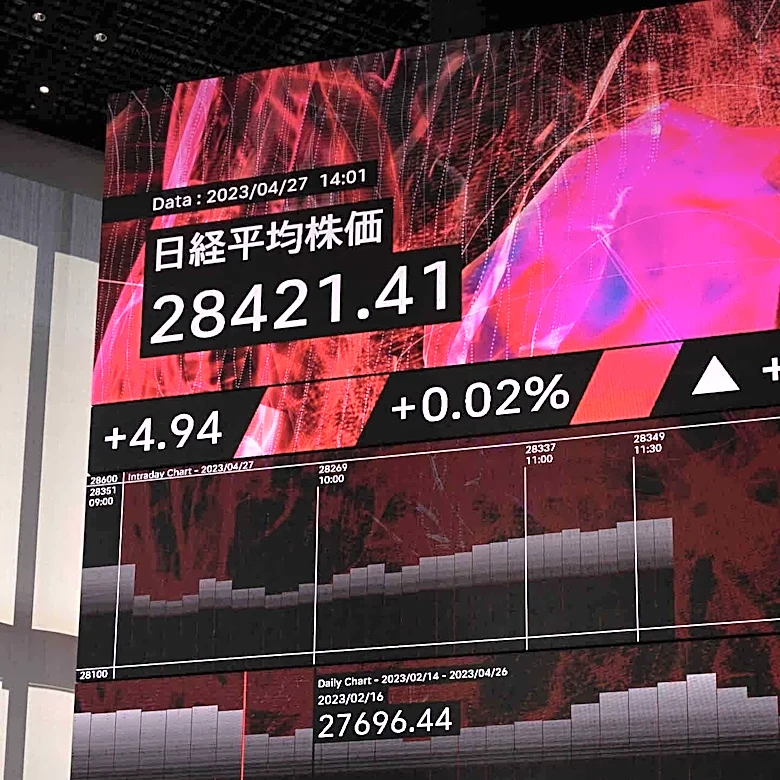
The Indian stock market experienced a significant downturn, with investors losing Rs 4.65 lakh crore, as both the BSE Sensex and Nifty50 indices fell. This decline is attributed to several factors, including profit booking after a recent rally and the depreciation
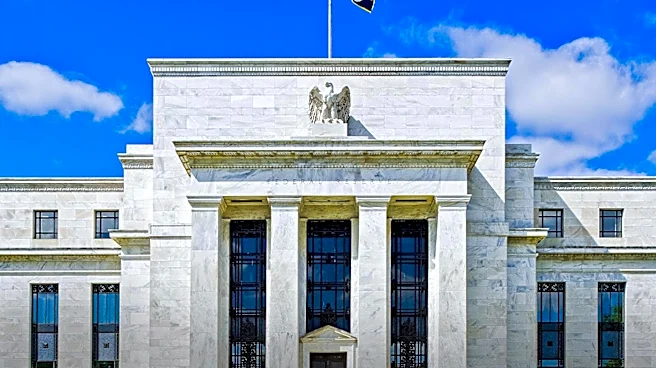
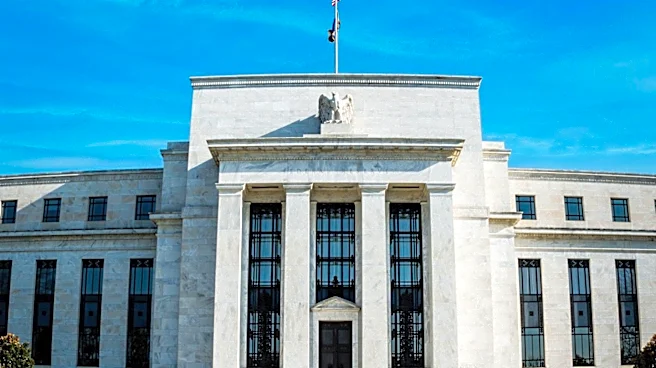
of the Indian Rupee. A primary concern contributing to the market's instability is the resurfacing of worries regarding a potential interest rate hike by the U.S. Federal Reserve. Selling pressure on heavyweight stocks also played a role in weighing down the indices. This market movement occurs despite a recent turnaround in foreign institutional investor (FII) flows, which had previously supported Indian equities in approaching record highs.
Why It's Important?
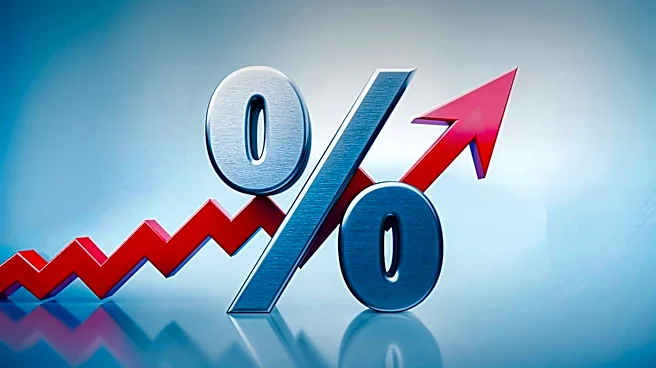
The concerns over a potential U.S. Federal Reserve rate hike have significant implications for global financial markets, including those in the U.S. A rate hike by the Federal Reserve typically strengthens the U.S. dollar, making investments in other countries, particularly emerging markets like India, less attractive to foreign investors. This can lead to capital outflows from these markets, impacting their currencies and stock valuations. For U.S. investors, a stronger dollar can affect the profitability of U.S. companies with significant international operations, as their foreign earnings translate into fewer dollars. Domestically, a Fed rate hike aims to combat inflation but can also increase borrowing costs for businesses and consumers, potentially slowing economic growth. The interconnectedness of global financial systems means that market movements in one major economy, like the U.S., can trigger ripple effects worldwide, influencing investment strategies and economic stability.
What's Next?
The immediate future of the Indian stock market, and by extension, global markets, will likely be heavily influenced by upcoming announcements and signals from the U.S. Federal Reserve regarding its monetary policy. Investors will closely monitor economic data releases in the U.S., such as inflation figures and employment reports, to gauge the likelihood and timing of any rate adjustments. Should the Federal Reserve proceed with a rate hike, it could lead to further capital reallocation away from emerging markets and towards U.S. assets, potentially causing continued volatility in markets like India. Conversely, if the Fed signals a more dovish stance or delays rate increases, it could alleviate some of the current market pressures. Businesses and policymakers globally will be preparing for various scenarios, adjusting investment plans and economic forecasts based on the Fed's decisions, which are critical for managing inflation and maintaining economic stability.
Beyond the Headlines
The current market jitters underscore a broader shift in global economic dynamics, where the monetary policy decisions of major central banks, particularly the U.S. Federal Reserve, exert considerable influence over international capital flows and market sentiment. This situation highlights the ongoing challenge for emerging economies to balance domestic growth objectives with external pressures, such as currency fluctuations and investor confidence. The reliance on foreign institutional investment for market stability in countries like India also exposes them to the volatility associated with global economic shifts. Furthermore, the narrative around inflation and interest rates reflects a complex interplay of supply chain issues, geopolitical events, and consumer demand, making it difficult for central banks to navigate economic recovery without triggering unintended consequences. This interconnectedness means that economic health in one region can quickly impact others, emphasizing the need for coordinated global economic strategies.