







What's Happening?
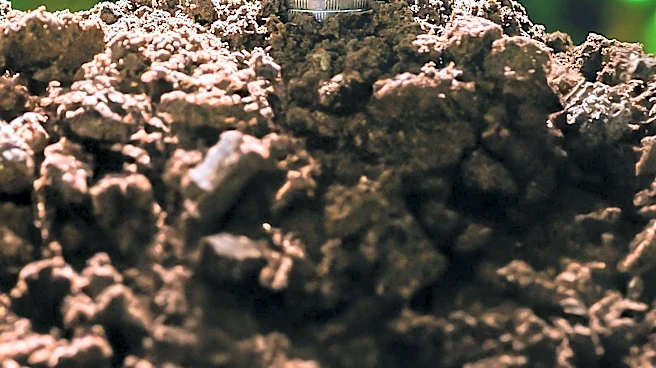
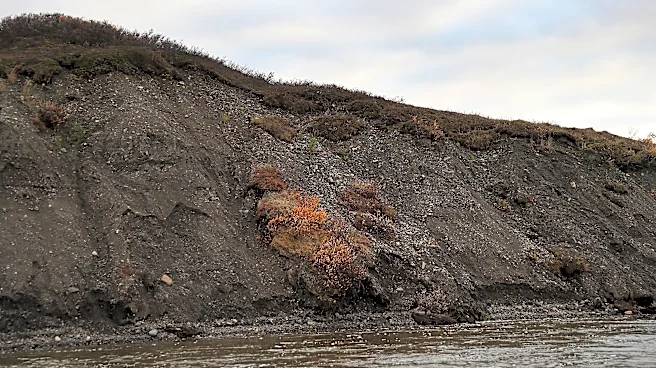
iTech Minerals has confirmed the reliability of portable X-ray fluorescence (pXRF) as a rapid exploration tool at its Reynolds Range Project in the Northern Territory. The company collected 182 soil samples across the Sabre and Falchion prospects, yielding
significant results with peak values of 12.1 grams per tonne gold and 9.1% antimony. Laboratory results showed strong correlations with pXRF readings, particularly for arsenic, antimony, and lead, validating the technique's effectiveness for first-pass targeting. Arsenic emerged as the most effective pathfinder for gold mineralization, with a strong correlation to laboratory gold results. The soil program identified a new mineralization zone at Falchion, extending the strike length to over 180 meters. iTech plans to expand the use of pXRF-supported soil geochemistry across priority targets along the Stafford Gold Trend, with drilling set to recommence on July 20, 2026.
Why It's Important?
The validation of pXRF technology by iTech Minerals represents a significant advancement in mineral exploration, offering a cost-effective and rapid method for identifying gold-antimony mineralization. This development could streamline exploration processes, reducing the time and expense associated with traditional laboratory-only programs. The ability to quickly and accurately identify mineralization zones can enhance the efficiency of exploration projects, potentially leading to faster resource development and increased economic returns. This innovation is particularly relevant for the mining industry, which continually seeks to improve exploration techniques to meet growing demand for critical minerals.
What's Next?
iTech Minerals plans to systematically implement pXRF-supported soil geochemistry across the Stafford Gold Trend, utilizing real-time arsenic readings supported by antimony and lead for in-field anomaly definition. The company is set to resume drilling at Reynolds Range on July 20, 2026, with results from the initial phase expected within two to three weeks. This approach could set a precedent for other mining companies to adopt similar technologies, potentially transforming exploration strategies across the industry.