




What's Happening?
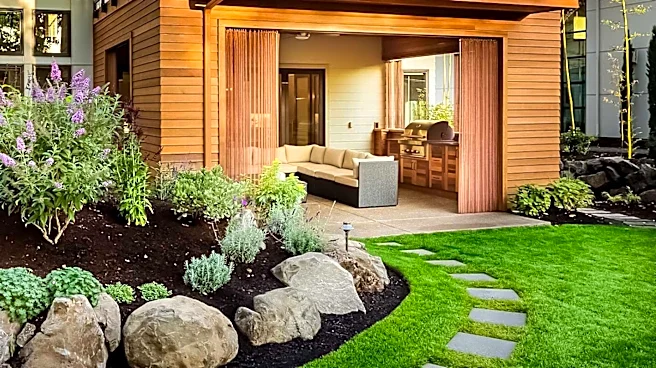
California landscape designer Cevan Forristt is known for his approach to outdoor living spaces, aiming to extend clients' homes into their gardens rather than treating them as separate entities. Forristt, who grew up on the Peninsula and is based in San
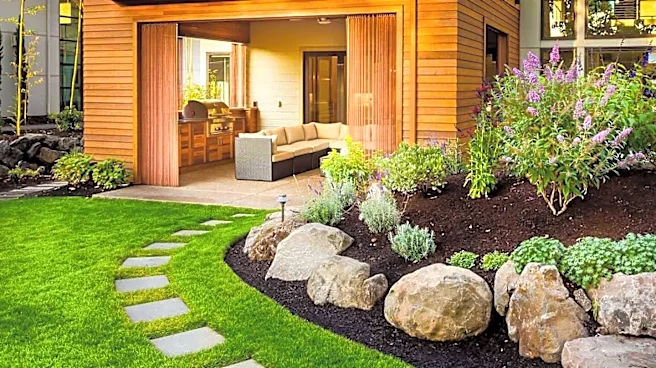
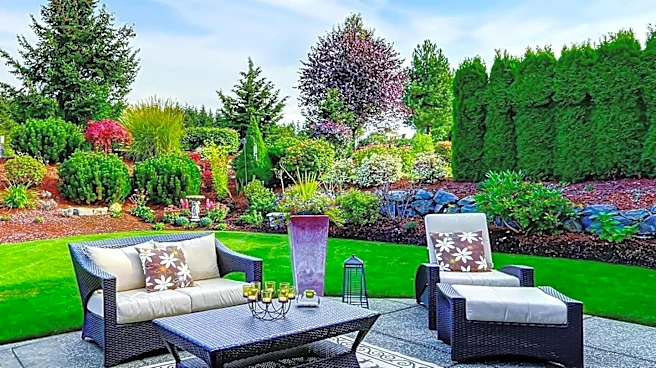
Jose, emphasizes creating unique spaces that reflect clients' personalities and living styles. He believes that a garden should function as an outdoor room, especially in California's favorable weather, allowing for activities like al fresco dining, even in winter, often incorporating elements such as fire pits for warmth and ambiance. His design process involves understanding clients' preferences, including what they dislike, and evaluating a site's existing features and weak points to highlight or improve, such as adding shade elements like pergolas. Forristt advises clients to live in a home for a period before redesigning the garden to better understand how they will use the outdoor space.
Why It's Important?
Forristt's philosophy highlights a growing trend in U.S. residential design, particularly in regions with temperate climates like California, where homeowners seek to maximize their living areas by blurring the lines between indoor and outdoor environments. This approach can significantly enhance property value and quality of life by providing versatile spaces for relaxation, entertainment, and personal expression. The emphasis on personalized design ensures that outdoor spaces are not merely aesthetic additions but functional extensions tailored to individual needs and lifestyles. This trend also influences the demand for specific materials and design elements, such as durable hardscaping, integrated lighting, and climate-appropriate plantings, driving innovation and specialization within the landscape design and construction industries. The focus on long-term usability and client-centric design sets a benchmark for luxury and functional outdoor living.
What's Next?
The continued demand for integrated indoor-outdoor living spaces is likely to drive further innovation in architectural and landscape design. Homeowners in California and similar climates will increasingly seek designers who can create cohesive environments that cater to year-round use. This could lead to a greater emphasis on sustainable and drought-tolerant landscaping, given California's climate challenges, as well as advancements in outdoor technology, such as automated shading systems and weather-resistant entertainment options. The industry may also see a rise in specialized contractors capable of executing complex, multi-functional outdoor projects. Forristt's method of deeply understanding client needs and site specifics suggests a future where bespoke outdoor solutions become more prevalent, moving away from generic designs towards highly customized and integrated living experiences.
Beyond the Headlines
Forristt's work touches upon deeper cultural and psychological aspects of home and living. By viewing gardens as 'stages' where something should 'happen,' he taps into the human desire for meaningful and engaging environments. His incorporation of elements from his extensive travels, particularly Asian influences and salvaged architectural pieces, reflects a broader appreciation for global aesthetics and the integration of history and art into personal spaces. This approach elevates landscape design beyond mere horticulture to a form of artistic expression and cultural curation. The idea of living vicariously through clients and fighting for their vision underscores a shift towards highly collaborative and empathetic design processes, where the designer acts as a facilitator of the client's dreams, creating spaces that resonate deeply with their identity and aspirations. This also highlights the ethical consideration of creating sustainable and enduring designs that maintain their integrity even if plantings change.