



What's Happening?
Kendrick Lamar's 2024 track 'Not Like Us' became a central point of contention in his feud with Drake. The song, produced by Mustard, Sounwave, and Sean Momberger, was released on May 4, 2024, shortly after Drake's 'Meet the Grahams.' In 'Not Like Us,'
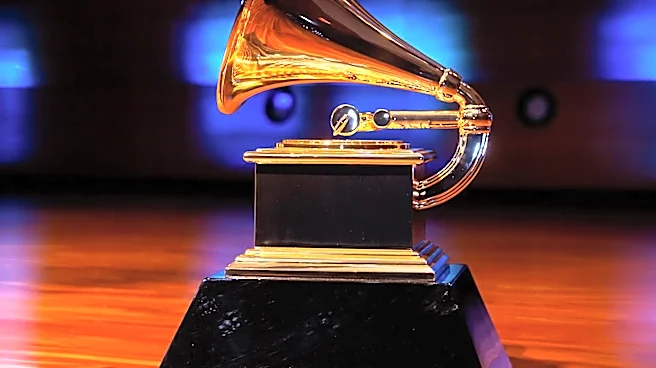
Lamar accuses Drake and his OVO associates of being 'certified pedophiles,' a claim Drake has consistently denied. The track also references Drake's alleged use of an AI imitation of 2Pac's voice in 'Taylor Made Freestyle' and criticizes Drake's collaborations with Atlanta rappers, labeling him a 'colonizer.' The song quickly gained popularity, debuting at No. 1 on the Hot 100 and later winning five Grammy Awards, including Record and Song of the Year. Following its release, Drake filed a defamation lawsuit against Universal Music Group in January 2025, citing the song's content. However, this lawsuit was dismissed in October of the same year. Lamar subsequently performed 'Not Like Us' at the Super Bowl halftime show, reportedly teasing his rivals' litigious tendencies beforehand.
Why It's Important?
The legal action taken by Drake against Universal Music Group, though ultimately dismissed, highlights the increasing legal ramifications and high stakes involved in public disputes within the music industry, particularly in hip-hop. The dismissal of the lawsuit could set a precedent regarding the boundaries of artistic expression and defamation claims in diss tracks. The song's commercial success, including its No. 1 debut and multiple Grammy wins, underscores its cultural impact and its role in shaping public perception during a high-profile musical rivalry. Furthermore, Lamar's performance of the track at the Super Bowl halftime show, a major national event, amplified its reach and solidified its place in popular culture, demonstrating how such disputes can transcend niche audiences and become mainstream talking points. The accusations within the song, particularly those related to serious allegations, also raise questions about the responsibility of artists and labels in content creation and distribution.
What's Next?
While Drake's defamation lawsuit against Universal Music Group regarding 'Not Like Us' has been dismissed, the broader implications for legal challenges in the music industry remain. The outcome of this case may influence how artists and their legal teams approach future disputes involving lyrical content and public accusations. The continued popularity and critical acclaim of 'Not Like Us,' evidenced by its Grammy wins and high-profile performance, suggest its lasting impact on Kendrick Lamar's career and the hip-hop landscape. Future interactions between Kendrick Lamar and Drake, whether musical or otherwise, will likely be viewed through the lens of this intense rivalry and the legal actions that ensued. The industry may also see increased scrutiny on the content of diss tracks and the potential for legal repercussions, even if direct defamation claims prove difficult to sustain.
Beyond the Headlines
The 'Not Like Us' controversy extends beyond a typical music feud, touching upon themes of artistic freedom, the power of celebrity, and the legal boundaries of expression. The song's accusations, particularly the 'certified pedophiles' claim, delve into sensitive and potentially damaging territory, raising ethical questions about the use of such allegations in artistic works. The dismissal of the defamation lawsuit, while not a judgment on the truth of the claims, underscores the high bar for proving defamation in a legal context, especially when dealing with artistic or satirical content. This case also highlights the evolving nature of hip-hop rivalries, moving from purely lyrical battles to ones that can involve significant legal and financial implications. The public's reception of the song, its commercial success, and its integration into major cultural events like the Super Bowl, reflect a broader societal engagement with these complex issues, blurring the lines between entertainment, social commentary, and legal accountability.