








What's Happening?
The Maryland Office of People's Counsel (OPC) has informed the Federal Energy Regulatory Commission (FERC) that a persistent regulatory oversight gap in local electric transmission projects is exposing Maryland customers to potentially unwarranted transmission costs
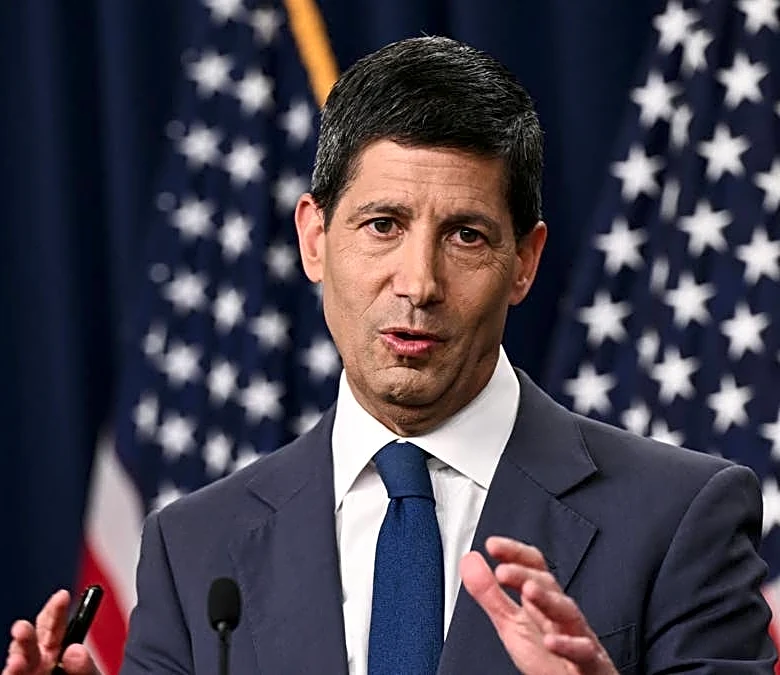
amounting to hundreds of millions of dollars. According to Maryland People’s Counsel David S. Lapp, this regulatory loophole allows utilities to make profit-driven decisions on 'local' transmission projects without effective regulatory review, leading to significant cost increases for customers. The OPC highlighted that these projects often face minimal scrutiny beyond state-level siting reviews and bypass federal cost oversight and competitive procurement requirements that could reduce expenses. Maryland is projected to be responsible for $3.663 billion in estimated capital expenditures on local projects between 2010 and 2031. As an example, the OPC cited a Baltimore Gas and Electric (BGE) transmission project for Port Covington, initially estimated at $105 million, which later surged to $407.25 million, and then to $520 million by 2026, despite the primary developer withdrawing from the real estate project. BGE and its owner, Exelon, reportedly refused to address questions regarding these cost increases during PJM's transmission planning process, claiming cost issues are outside PJM's purview.
Why It's Important?
This situation is important because it directly impacts the electricity bills of BGE customers in Maryland, who ultimately bear the burden of these escalating transmission costs. The alleged regulatory gap allows utility companies to increase project expenses substantially without adequate federal oversight or competitive bidding, potentially leading to inflated profits at the expense of consumers. The lack of transparency and accountability in the cost approval process for 'local' or 'supplemental' projects means that customers may be paying for projects that are not critically necessary or could be completed at a lower cost. This issue also raises broader questions about the effectiveness of federal and state regulatory bodies in protecting consumer interests within the energy sector. If left unaddressed, this regulatory loophole could set a precedent for other utilities in the PJM region, potentially leading to similar cost overruns and increased financial strain on electricity consumers across multiple states.
What's Next?
The Maryland Office of People's Counsel is urging FERC to take immediate action on the outstanding complaints regarding the regulatory gap. The OPC's comments support a motion filed by its Ohio counterpart, the Office of the Ohio Consumers’ Counsel, which initiated a complaint in 2023. The OPC also joined a broader coalition in 2024 to file a separate complaint challenging the national lack of regulatory oversight for local transmission projects. As FERC has not yet acted on these complaints, the OPC emphasizes that transmission costs for customers continue to rise. Future developments will likely involve FERC's response to these calls for action, which could include opening investigations, implementing new regulatory frameworks, or enforcing stricter oversight on utility project costs. The Maryland Public Service Commission (PSC) has also been requested by the OPC to investigate the Port Covington project, but has not yet acted on this request. The outcome of these regulatory challenges will determine whether new measures are put in place to protect consumers from unchecked utility spending.
Beyond the Headlines
The issue extends beyond immediate cost concerns, touching upon fundamental questions of regulatory effectiveness and consumer protection in the energy market. The classification of projects as 'local' or 'supplemental' appears to be a critical loophole that allows utilities to bypass more stringent federal oversight, highlighting a potential systemic flaw in how transmission projects are approved and funded. This situation could foster a lack of incentive for utilities to control costs, as they are guaranteed a return on their investments, regardless of the efficiency or necessity of the expenditure. The broader implication is a potential erosion of public trust in utility companies and regulatory bodies if consumers perceive that their interests are not being adequately protected. This could lead to increased public demand for greater transparency, more robust regulatory frameworks, and potentially, legislative action to close such loopholes and ensure fair pricing for essential services like electricity.