









What's Happening?
A new report from Realtor.com has introduced a tiered system to categorize luxury real estate in the United States, highlighting a shift in the market where the traditional million-dollar price tag is no longer the sole indicator of luxury. The report,
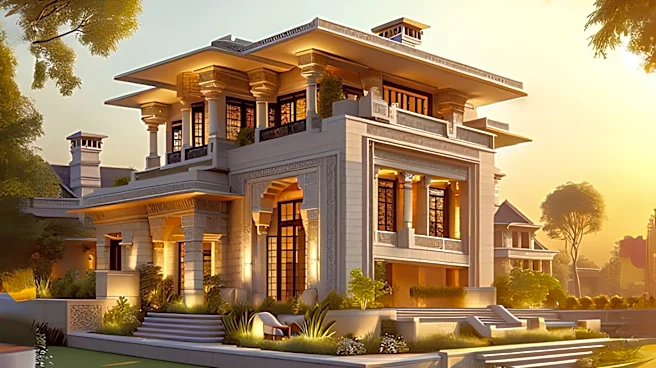
inspired by a viral trend on YouTube and TikTok, breaks down luxury housing into seven distinct levels, each defined by various factors such as location, square footage, and local economic conditions. According to Anthony Smith, a senior economist at Realtor.com, the analysis reveals that luxury real estate is now more complex, with different layers within each tier influenced by local amenities, employment opportunities, and geographic desirability. The report identifies entry-level luxury homes priced at $1.28 million, high-end luxury starting at $2 million, and ultra-luxury beginning at $5.57 million. These categories are further divided based on regional characteristics, such as proximity to major employers or natural beauty, which affect the luxury market dynamics.
Why It's Important?
The report's findings are significant as they reflect broader economic and social trends impacting the U.S. real estate market. By redefining luxury, the report highlights how economic growth, urban development, and lifestyle preferences are reshaping housing markets across the country. This tiered approach provides valuable insights for real estate investors, developers, and policymakers by identifying emerging markets and potential investment opportunities. It also underscores the growing disparity in housing affordability, as luxury homes become increasingly unattainable for average buyers in certain regions. The report's emphasis on local factors suggests that economic policies and regional development strategies will play crucial roles in shaping future real estate trends.
What's Next?
As the luxury real estate market continues to evolve, stakeholders can expect further segmentation and specialization within these tiers. Real estate developers may focus on creating properties that cater to specific lifestyle demands, such as eco-friendly homes or tech-integrated living spaces. Additionally, regions identified as emerging luxury markets may see increased investment and development, potentially leading to economic growth and job creation. Policymakers might also consider the implications of these trends on housing affordability and urban planning, as the demand for luxury properties could exacerbate existing housing shortages in certain areas.
Beyond the Headlines
The report's tiered system also raises questions about the cultural and social implications of luxury real estate. As luxury becomes more stratified, it may influence societal perceptions of wealth and status, potentially leading to greater social stratification. Furthermore, the focus on luxury housing could divert resources and attention away from addressing affordable housing needs, highlighting the ethical considerations of prioritizing high-end developments. The report also suggests that luxury real estate is increasingly seen as a lifestyle choice rather than just a financial investment, reflecting broader shifts in consumer behavior and values.