

What's Happening?
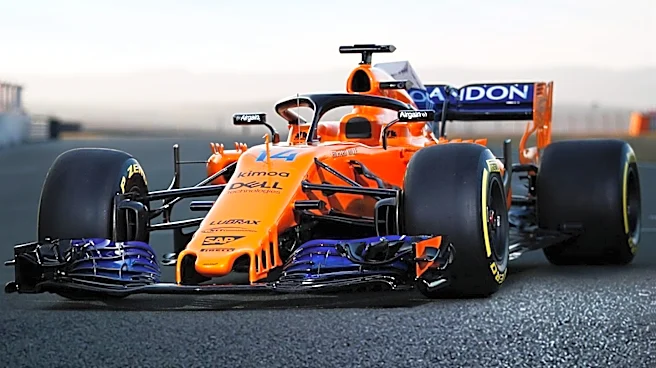
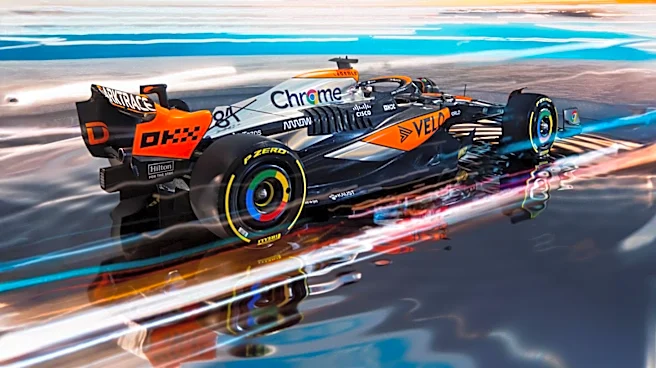
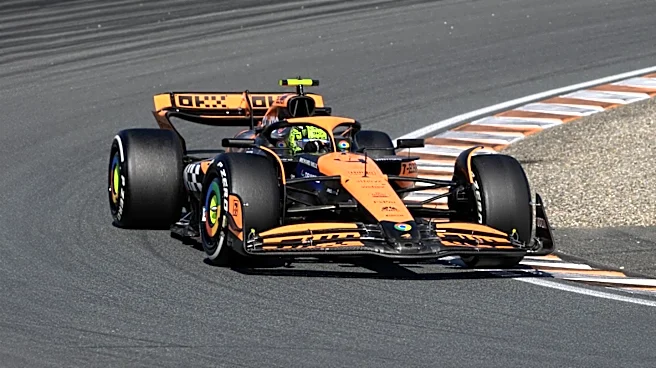
Oscar Piastri, an Australian Formula 1 driver, is navigating the challenges of the 2026 F1 season with McLaren. After a strong performance last year, Piastri has faced difficulties adapting to the new generation of F1 cars. The season began with setbacks,
including a crash during the reconnaissance lap of the Australian GP and reliability issues at the Chinese GP. Despite these challenges, Piastri achieved a second-place finish in Japan and a third-place podium in Miami. He identifies the Barcelona GP as a turning point, where he learned valuable lessons that he applied in subsequent races, notably achieving a fourth-place finish in Austria. Piastri emphasizes the need to adapt his driving style to the new regulations, which require optimizing electrical energy use and adjusting to technical challenges.
Why It's Important?
Piastri's experience highlights the broader challenges faced by F1 drivers in adapting to new regulations and technologies. The 2026 season's technical changes demand drivers to rethink their strategies, impacting team performance and competition dynamics. McLaren, a prominent team in F1, is working to overcome these hurdles, which could influence their standing in the championship. Piastri's ability to adapt and learn from early setbacks is crucial for his career and McLaren's success. The team's performance can affect sponsorships, fan engagement, and the overall competitive landscape of F1. As drivers and teams adjust, the season's outcomes could reshape future strategies and regulations in the sport.
What's Next?
As the season progresses, Piastri and McLaren aim to build on the lessons learned and improve their performance. The second half of the season will be critical for Piastri to demonstrate his adaptability and for McLaren to refine their strategies. The team's ability to address technical challenges and optimize car performance will be pivotal. Stakeholders, including sponsors and fans, will closely watch McLaren's progress. The outcomes of upcoming races could influence future regulations and the development of F1 cars, impacting the sport's direction. Piastri's journey will be a focal point for assessing the effectiveness of new regulations and the adaptability of drivers.