



What's Happening?
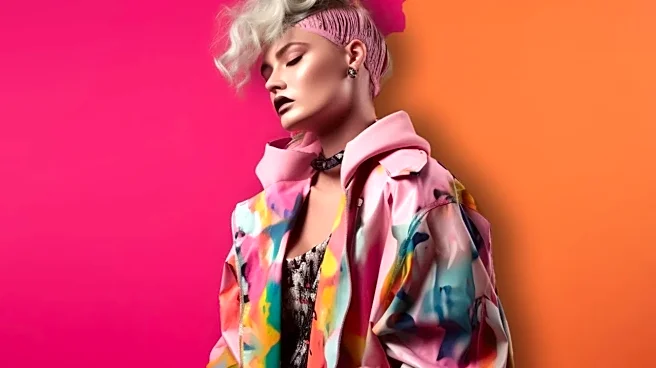
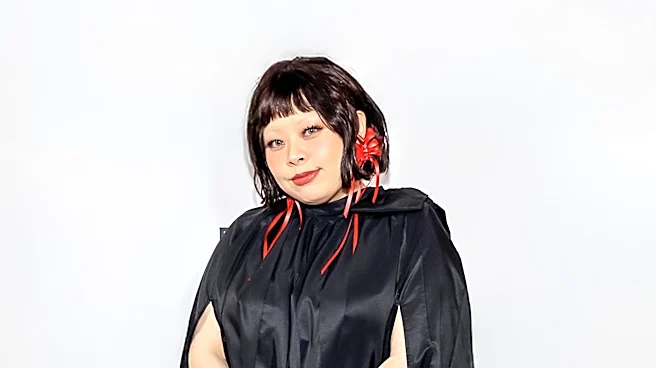
Japanese fashion brands are increasingly expanding their plus-size offerings, making it easier for consumers to find Harajuku, Lolita, gothic, and other alternative styles in extended sizes. Historically, many Japanese brands focused on smaller size ranges,
posing a challenge for plus-size shoppers. However, brands like DearMyLove Whip are now offering items up to 6L, featuring elements such as bows, ribbons, lace, and ruffles. MAXICIMAM, known for blending gothic, sweet lolita, punk, and kawaii styles, has a dedicated 'Lovely Maxicimam' line for plus-size wearers. ACDC Rag provides bold streetwear with alternative influences in relaxed silhouettes, while BodyLine makes Lolita fashion more accessible with a variety of dresses, shoes, and accessories. This expansion allows individuals to embrace Japanese street culture and alternative aesthetics while maintaining comfort and confidence.
Why It's Important?
The growing availability of plus-size options in Japanese fashion signifies a significant shift towards inclusivity within a historically size-exclusive industry. This development empowers a broader range of consumers to participate in and express themselves through unique and creative Japanese styles, which are often centered on individuality rather than strict adherence to trends. For the fashion industry, it highlights the economic potential of catering to diverse body types and the importance of recognizing global consumer demand. This move also challenges traditional beauty standards often associated with fashion, promoting a more accepting and representative approach to clothing design and marketing. It allows for greater cultural exchange and personal expression, as more individuals can access and adapt these distinctive aesthetics.
What's Next?
This trend towards inclusivity in Japanese fashion is likely to continue, with more brands potentially introducing extended sizing and diverse collections. Consumers can expect increased accessibility to a wider array of styles, from Jirai Kei and Ryosangata to gothic and streetwear, in sizes that accommodate various body shapes. The focus on detailed sizing charts and measurements will remain crucial for international shoppers. This expansion could also encourage other fashion markets to re-evaluate their own size inclusivity, fostering a more global movement towards diverse representation in clothing. The emphasis on personal expression and mixing different elements will continue to be a cornerstone of Japanese fashion, now accessible to an even broader audience.
Beyond the Headlines
The expansion of plus-size Japanese fashion touches upon deeper cultural and societal implications regarding body image and representation. By offering more inclusive sizing, these brands are not just selling clothes; they are providing avenues for self-acceptance and empowerment. This challenges the often-narrow beauty ideals prevalent in some fashion industries and promotes a more diverse understanding of attractiveness. Furthermore, it underscores the idea that fashion is a powerful tool for identity construction, allowing individuals to communicate their personality and interests regardless of their body size. This movement can foster a more inclusive global fashion dialogue, encouraging a shift from prescriptive beauty standards to celebrating individual uniqueness and diverse forms of expression.