









What's Happening?
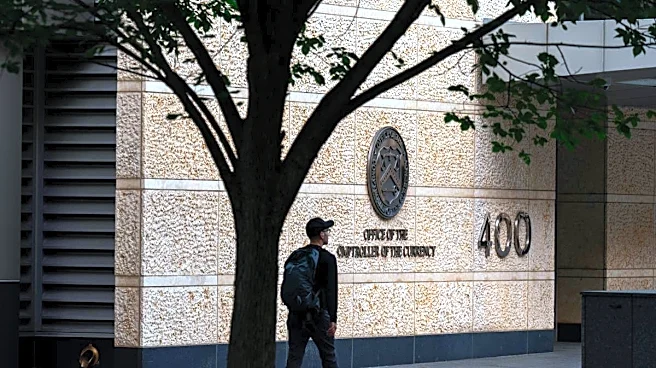
The Trump administration has issued new guidance through several financial regulatory bodies, including the Office of the Comptroller of the Currency, the Federal Deposit Insurance Corporation, and the National Credit Union Administration. This guidance advises
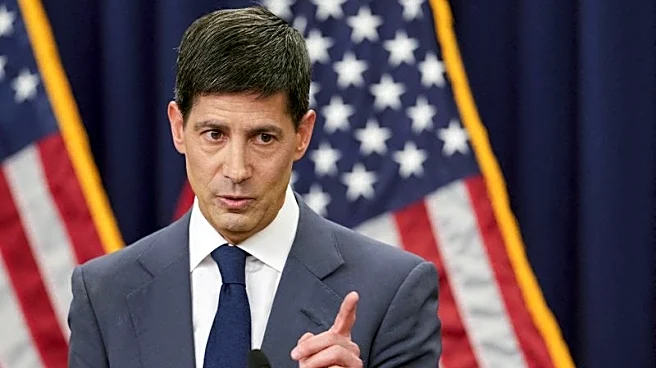
banks and credit unions to consider the credit risks associated with lending to individuals who are not authorized to work in the United States. The guidance emphasizes that such borrowers pose an elevated credit risk due to uncertainties about their ability to generate income and maintain financial stability. Comptroller of the Currency Jonathan Gould stated that the guidance is part of President Trump's initiative to restore integrity to the U.S. financial system, ensuring that financial institutions support lawful business practices. The guidance also aligns with a recent Consumer Financial Protection Bureau (CFPB) directive allowing financial institutions to consider a consumer's legal work status when making lending decisions.
Why It's Important?
This development is significant as it underscores the administration's focus on immigration status in financial decision-making, potentially affecting a large number of individuals who lack legal work authorization in the U.S. By highlighting the credit risks associated with unauthorized workers, the guidance could lead to stricter lending practices, impacting access to credit for this demographic. This move may also influence the housing market, as unauthorized immigrants have been noted to contribute significantly to housing demand and employment growth. Financial institutions may need to adjust their risk management strategies and underwriting practices to comply with the new guidance, which could have broader implications for the financial stability and inclusivity of the banking system.
What's Next?
Financial institutions are expected to implement the guidance by enhancing their risk assessment processes and ensuring compliance with the new directives. This may involve revising underwriting criteria and customer verification processes to account for immigration status. The guidance could also prompt further regulatory actions or clarifications from the CFPB and other agencies as they monitor the impact on the financial sector. Additionally, there may be responses from advocacy groups and policymakers concerned about the potential exclusion of unauthorized workers from financial services, which could lead to discussions on balancing financial integrity with inclusivity.